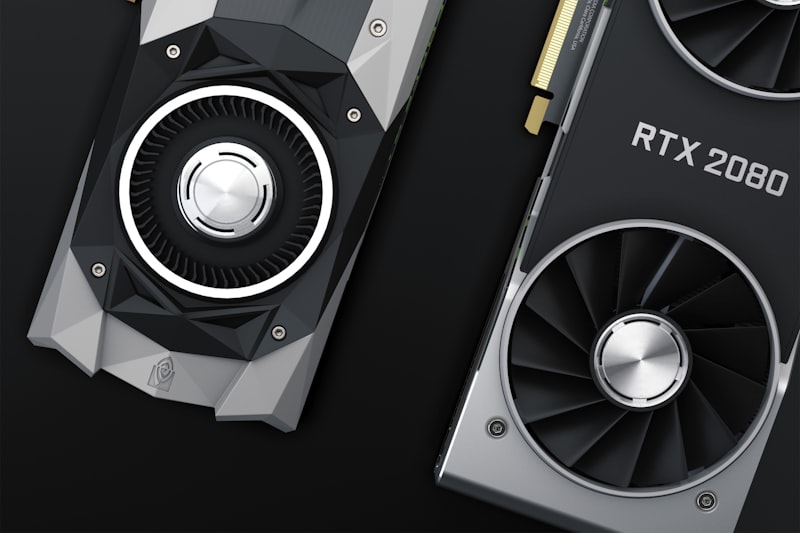
The Cooling Challenge for On-Premise AI
The adoption of Large Language Models (LLMs) and compute-intensive artificial intelligence workloads in on-premise environments presents significant challenges, particularly concerning thermal management. High-performance computing systems, such as NVIDIA DGX platforms, generate substantial amounts of heat, necessitating robust cooling solutions to ensure operational stability and hardware longevity. The ability to maintain optimal temperatures is crucial not only for performance but also for the long-term Total Cost of Ownership (TCO), impacting energy consumption and maintenance requirements.
In this context, organizations prioritizing data sovereignty and complete control over their infrastructure often find themselves exploring innovative approaches to deploying and managing their AI stacks. The pursuit of efficient cooling solutions becomes a key factor in unlocking the full potential of hardware dedicated to LLM inference and training, especially when operating with complex models and large context windows.
Technical Details of a Creative Approach
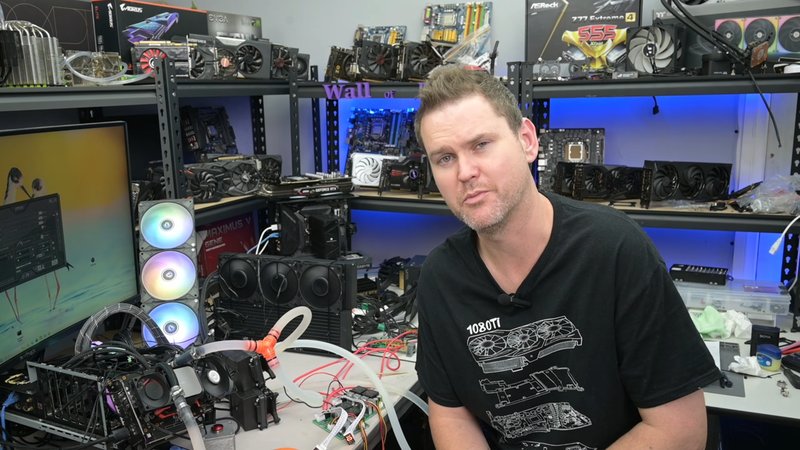
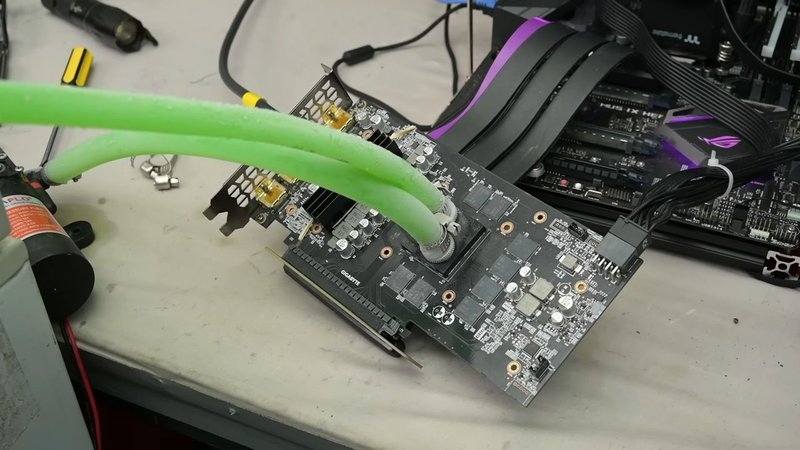
A recent example of this ingenuity comes from the tech community, where a user shared a custom cooling method for a DGX system. The solution employs an open-loop system that uses tap water to keep GPU temperatures below 68 degrees Celsius, even with 95% utilization. This achievement was made while running a Qwen3.5-122b-a10B LLM with Q6_K precision, a model that demands significant resources.
The configuration demonstrated 110 GB of memory usage and an 80k context window, achieving a throughput of 18.77 tokens per second for continuous vision analyses. These figures underscore the effectiveness of the cooling in supporting intensive workloads, allowing the system to operate at near-maximum capacity without critical overheating. Although the user expressed uncertainty about the necessary frequency for water changes, the solution highlights the potential of unconventional cooling strategies to optimize AI hardware performance in self-hosted contexts.
Context and Implications for On-Premise Deployments
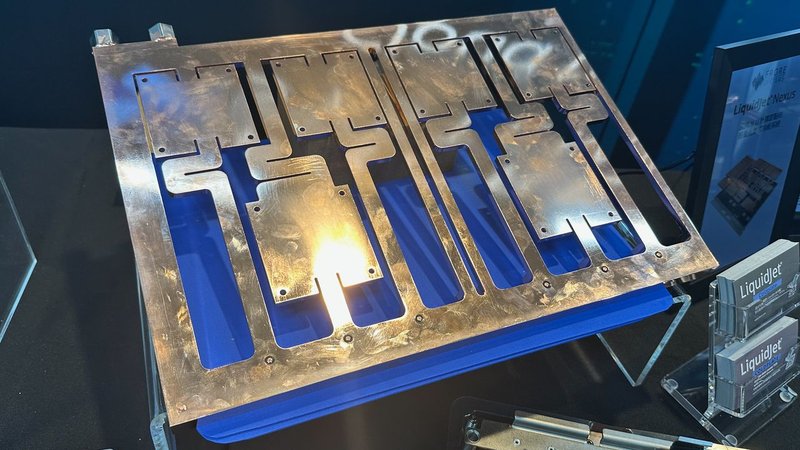
Thermal management is a fundamental pillar of data center infrastructure, and for AI workloads, its importance is amplified. Traditional air cooling solutions can prove insufficient for the power densities of modern AI servers, pushing towards the adoption of liquid cooling systems. These can range from direct-to-chip solutions, like the one described, to immersion cooling, each with its own trade-offs in terms of complexity, initial cost, and operational TCO.
For companies choosing on-premise deployment for reasons of data sovereignty, compliance, or to optimize long-term costs compared to cloud services, the ability to effectively implement and manage cooling becomes a competitive advantage. Custom solutions, while requiring internal expertise and initial investment, can offer granular control over operating conditions and potential energy savings. However, it is essential to carefully evaluate the associated risks, such as maintenance and potential corrosion in open-loop systems using untreated water.
Future Outlook and Considerations for AI Infrastructure
Innovation in AI hardware cooling is constantly evolving, driven by the increasing demand for computational power. As hardware manufacturers continue to push the boundaries of performance, cooling solutions must evolve in parallel. For CTOs, DevOps leads, and infrastructure architects evaluating self-hosted alternatives to the cloud for LLM workloads, understanding cooling options and their impact on TCO is critical.
The choice between pre-engineered commercial solutions and custom approaches like the one described depends on a variety of factors, including budget, internal expertise, and specific workload requirements. The incident demonstrates that, with the right engineering and careful consideration of constraints, high performance can be achieved even with unconventional solutions. For those evaluating on-premise deployments, AI-RADAR offers analytical frameworks on /llm-onpremise to assess the trade-offs between different infrastructural strategies, including aspects related to cooling and energy efficiency.






💬 Comments (0)
🔒 Log in or register to comment on articles.
No comments yet. Be the first to comment!