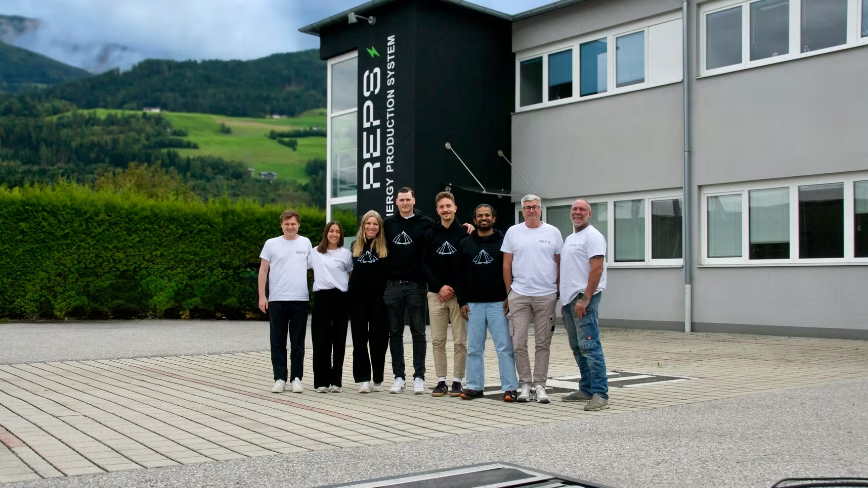
L'innovazione di REPS e il finanziamento
La startup austriaca REPS, con sede in Tirolo, ha recentemente annunciato di aver raccolto un finanziamento significativo di 23,6 milioni di dollari. Questo capitale è destinato a supportare la scalabilità di una tecnicia che si basa su una premessa tanto diretta quanto innovativa: convertire l'energia cinetica generata dal traffico stradale in elettricità. L'approccio di REPS prevede l'installazione di speciali "lastre" all'interno del manto stradale, progettate per catturare l'energia che altrimenti andrebbe dispersa quando i veicoli, in particolare i mezzi pesanti, vi transitano sopra.
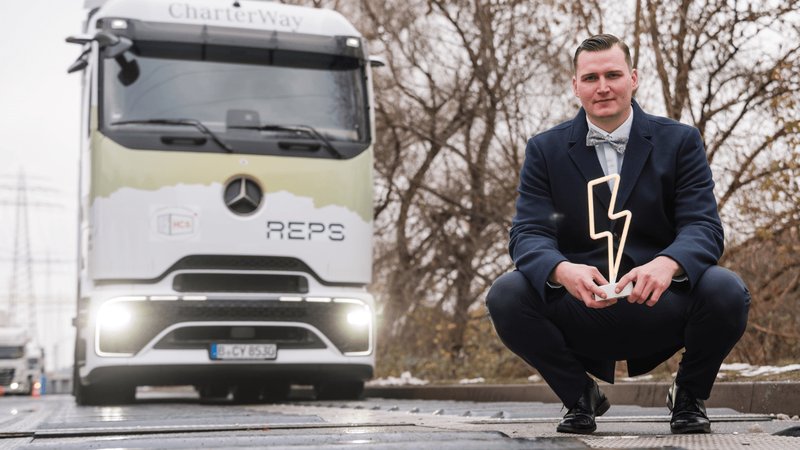
Il primo "impianto stradale" di REPS è già operativo e collegato alla rete nel Porto di Amburgo, un ambiente che offre un flusso costante e prevedibile di traffico pesante, ideale per un test iniziale. Questo deployment rappresenta un passo cruciale per l'azienda, che ora si trova ad affrontare la sfida di dimostrare la sostenibilità economica della sua soluzione su una scala più ampia e in contesti diversi.
Il principio tecnico e le sfide di deployment
Il cuore della tecnicia di REPS risiede nella capacità di trasformare il movimento verticale e la pressione esercitata dai veicoli in energia elettrica. Questo principio, noto come energy harvesting, non è nuovo, ma la sua applicazione su larga scala nell'infrastruttura stradale presenta complessità uniche. I sistemi di questo tipo devono affrontare diverse sfide tecniche, tra cui l'efficienza di conversione, la durabilità dei componenti esposti a stress meccanici e agenti atmosferici, e la capacità di integrarsi senza soluzione di continuità nelle reti elettriche esistenti.
Il deployment di tali infrastrutture richiede una pianificazione meticolosa, considerando non solo gli aspetti ingegneristici ma anche quelli logistici e normativi. La manutenzione, la resistenza all'usura e la capacità di generare un output energetico costante e prevedibile sono fattori critici per il successo a lungo termine. Per le aziende che valutano l'adozione di nuove tecnicie infrastrutturali, la robustezza e l'affidabilità sono parametri fondamentali, specialmente in contesti dove la continuità operativa è essenziale.
Implicazioni per l'infrastruttura e il TCO
Sebbene la tecnicia di REPS non sia direttamente legata all'hardware per l'inference o il training di Large Language Models, l'introduzione di nuove fonti di energia distribuite ha implicazioni significative per l'infrastruttura tecnicica in generale. La disponibilità di energia elettrica a costi potenzialmente ridotti o da fonti rinnovabili può influenzare il Total Cost of Ownership (TCO) delle operazioni che richiedono un elevato consumo energetico, come i data center. Per i CTO e gli architetti di infrastruttura che valutano deployment on-premise, l'accesso a fonti energetiche innovative può rappresentare un fattore determinante nella scelta tra soluzioni self-hosted e cloud.
La riduzione della dipendenza dalla rete elettrica tradizionale, o la possibilità di integrare fonti energetiche locali, può migliorare la resilienza operativa e ridurre i costi operativi (OpEx) a lungo termine. Questo è particolarmente rilevante per le infrastrutture AI-intensive, dove il consumo energetico delle GPU e dei sistemi di raffreddamento è una voce di costo preponderante. L'esplorazione di soluzioni energetiche alternative rientra in una strategia più ampia di ottimizzazione del TCO e di ricerca della sostenibilità per i carichi di lavoro più esigenti.
Prospettive future e sostenibilità energetica
La sfida principale per REPS, come per molte innovazioni nel campo dell'energia rinnovabile, risiede nella dimostrazione di una chiara sostenibilità economica e nella capacità di scalare la produzione e il deployment. Il successo nel Porto di Amburgo fornirà dati preziosi, ma la vera prova sarà la replicabilità del modello in diverse condizioni di traffico e infrastruttura. L'integrazione di queste tecnicie nel tessuto urbano e stradale richiede un'attenta valutazione dei trade-off tra costi di installazione, manutenzione e benefici energetici.
In un contesto globale che spinge verso la decarbonizzazione e l'efficienza energetica, soluzioni come quelle proposte da REPS rappresentano un esempio di come l'innovazione possa contribuire a un futuro più sostenibile. Per le aziende che gestiscono infrastrutture critiche, la diversificazione delle fonti energetiche e l'adozione di pratiche più ecologiche non sono solo una questione di responsabilità sociale, ma anche un modo per mitigare i rischi e ottimizzare i costi operativi a lungo termine.









💬 Commenti (0)
🔒 Accedi o registrati per commentare gli articoli.
Nessun commento ancora. Sii il primo a commentare!