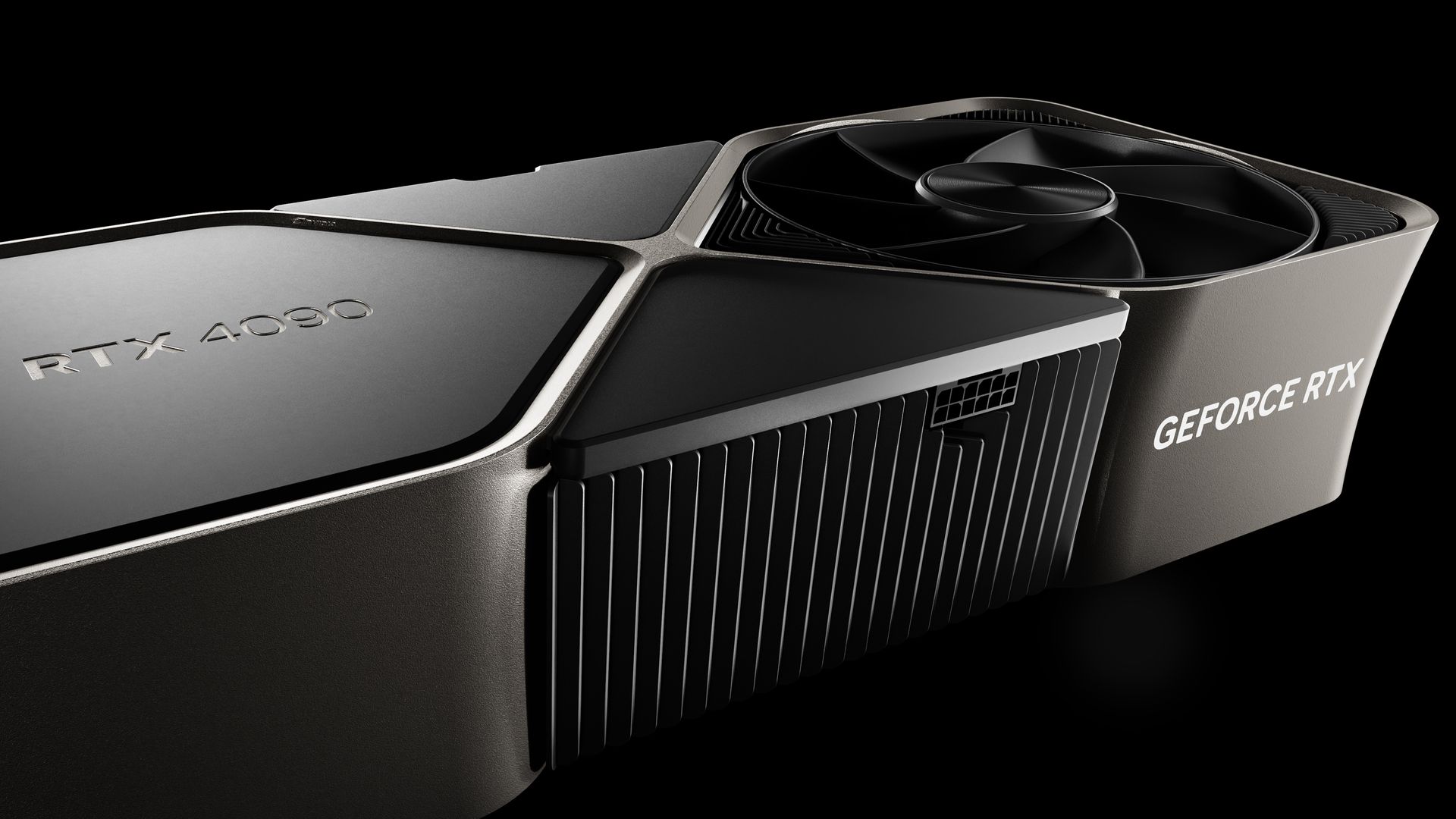
The news is as simple as it is potentially disruptive: a modification has been applied to Nvidia RTX 20, 30 and 40 series cards that removes a brake capable of halving speed in artificial intelligence workloads. This is not aggressive overclocking, but the removal of a constraint that effectively brings consumer hardware closer to competing with professional offerings.
The context is familiar to those working with LLMs and inference. Nvidia's consumer GPUs have always coexisted with driver or firmware limitations that reduce their yield in typical AI operations, such as reduced-precision calculations or tensor core usage. Halving speed in these workloads is no small detail: it translates into fewer tokens generated per second, higher latency and a rising cost per token, especially when trying to keep everything local.
For those considering self-hosted or edge deployments, the perspective changes. The overall cost of a small inference machine based on consumer GPUs has historically been much lower than data center counterparts, but often held back precisely by these limitations. If the brake is removed stably, the TCO of a local node can drop significantly, bringing closer solutions that were previously considered only experimental.
The second-order implications are equally significant. Nvidia has built a precise market segmentation: consumer cards for gaming, professional cards and data center accelerators for AI workloads. A modification that makes consumer RTX cards more competitive erodes part of this distinction. Benefiting are enthusiasts, small teams and organizations that want to maintain data control without investing in professional hardware. Losing out is Nvidia itself, at least in the short term, because the professional channel loses part of its performance differential.
Then there is a structural signal: the demand for low-cost local AI compute is so strong that it is pushing the community to seek solutions outside official channels. This is not entirely new, but the fact that it involves three generations of GPUs indicates constant pressure. For those following the AI-RADAR landscape, cases like this show how the choice of on-premise hardware is not only a matter of compatibility, but also of constraints imposed upstream. There are analytical frameworks at /llm-onpremise for evaluating trade-offs between consumer GPUs and professional solutions, but here the variable is different: the vendor's willingness to artificially maintain a performance gap.
The story remains open. There are no official details on stability, driver support or warranty implications. However, the mere fact that it is being discussed demonstrates that local inference on consumer hardware has now become a strategic battleground, not a fallback.




💬 Comments (0)
🔒 Log in or register to comment on articles.
No comments yet. Be the first to comment!