RISC-V and AI in Data Centers: The Role of Nvidia and SiFive
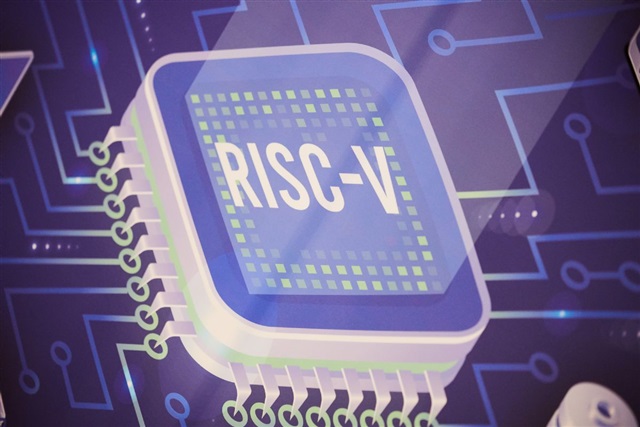
The landscape of artificial intelligence (AI) in data centers is constantly evolving, with increasing attention on hardware architectures that can offer greater flexibility, efficiency, and control. In this context, the RISC-V architecture, an Open Source Instruction Set Architecture (ISA), is gaining ground, particularly for AI workloads. A significant signal of this trend is Nvidia's support for SiFive, a leading company in the development of RISC-V cores.
This dynamic highlights a potential diversification in the silicio powering AI infrastructure. For organizations evaluating on-premise deployments of Large Language Models (LLM) and other AI workloads, the availability of architectural alternatives like RISC-V can open new avenues for optimizing the Total Cost of Ownership (TCO) and strengthening data sovereignty, by offering customized and controllable solutions.
Technical Context and Implications for AI
The RISC-V architecture stands out for its modular and extensible nature, which allows designers to customize the ISA for specific applications. This flexibility is particularly advantageous in the AI domain, where computational requirements can vary enormously between different training and Inference pipelines. The ability to create highly specialized processor cores, optimized for specific algorithms or for accelerating complex mathematical operations typical of AI, represents a key factor.
Traditionally, data centers have relied on x86 architectures or, more recently, proprietary GPUs for AI workloads. The emergence of RISC-V offers an alternative that promises greater transparency and the possibility of avoiding vendor lock-in, crucial aspects for companies wishing to maintain full control over their hardware infrastructure. This is particularly relevant for self-hosted or air-gapped deployments, where security and customization are absolute priorities.
The Importance of Nvidia and SiFive's Support
The backing of a giant like Nvidia for SiFive is not a minor detail. Nvidia, a dominant player in the GPU market for AI, recognizes the potential of RISC-V as a strategic component in the data center ecosystem. This support could translate into greater integration of RISC-V cores within Nvidia solutions, or into the development of tools and Frameworks that facilitate the adoption of this architecture for AI workloads. SiFive, for its part, is a pioneer in designing high-performance RISC-V cores, offering IP that can be licensed and integrated into custom System-on-Chip (SoC).
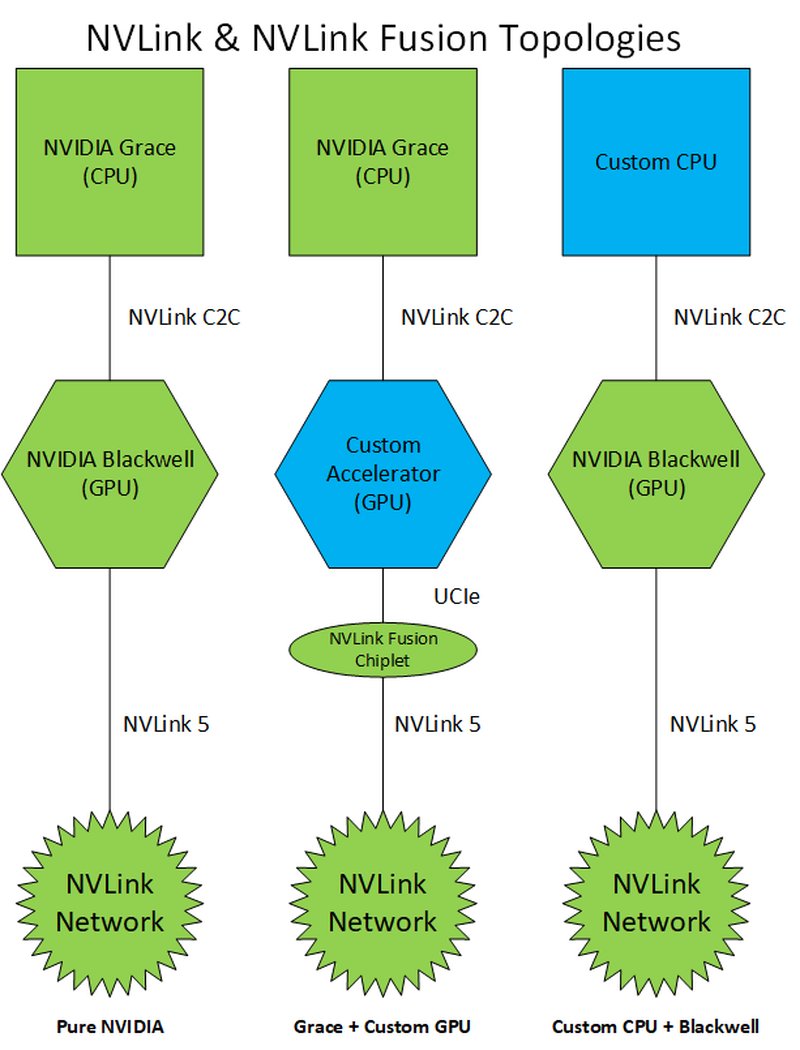
This collaboration suggests a vision where RISC-V could not only act as a control processor for AI accelerators but also as a basis for data processing units (DPU) or for offloading specific tasks, contributing to a more heterogeneous and efficient system architecture. For CTOs and infrastructure architects, this means an expansion of available options for building robust and scalable AI stacks, with an eye on performance per watt and the ability to adapt to future needs.
Future Prospects and Deployment Considerations
The adoption of RISC-V in AI data centers is still in an early phase compared to established architectures, but the trend is growing. The implications for deployment strategies are significant. Companies considering on-premise solutions for their LLMs or other AI applications may find in RISC-V an opportunity to innovate at the hardware level, potentially reducing long-term operational costs and improving security through more granular control over the entire technology stack.
However, the maturity of the software ecosystem and the availability of development tools remain critical factors to evaluate. For those evaluating on-premise deployments, there are trade-offs between adopting emerging technologies like RISC-V and the reliability of more mature solutions. AI-RADAR offers analytical frameworks on /llm-onpremise to evaluate these trade-offs, considering aspects such as TCO, data sovereignty, and concrete hardware specifications, providing neutral guidance for strategic decisions on AI infrastructure.




💬 Comments (0)
🔒 Log in or register to comment on articles.
No comments yet. Be the first to comment!