When a RISC‑V system powers on today, the journey from the first electrical pulse to the loading of the operating system is often a bumpy path. Each board comes with its own bootloader, its own peripheral tables, and its own video initialization routines. Yuri Zaporozhets, the prolific mind behind several RISC‑V projects, now launches the Harmonic Firmware Initiative (HFI): a modular firmware that promises to bring a PC‑style BIOS experience to RISC‑V, with hardware recognition, a setup menu, and a handover to U‑Boot to load the OS.
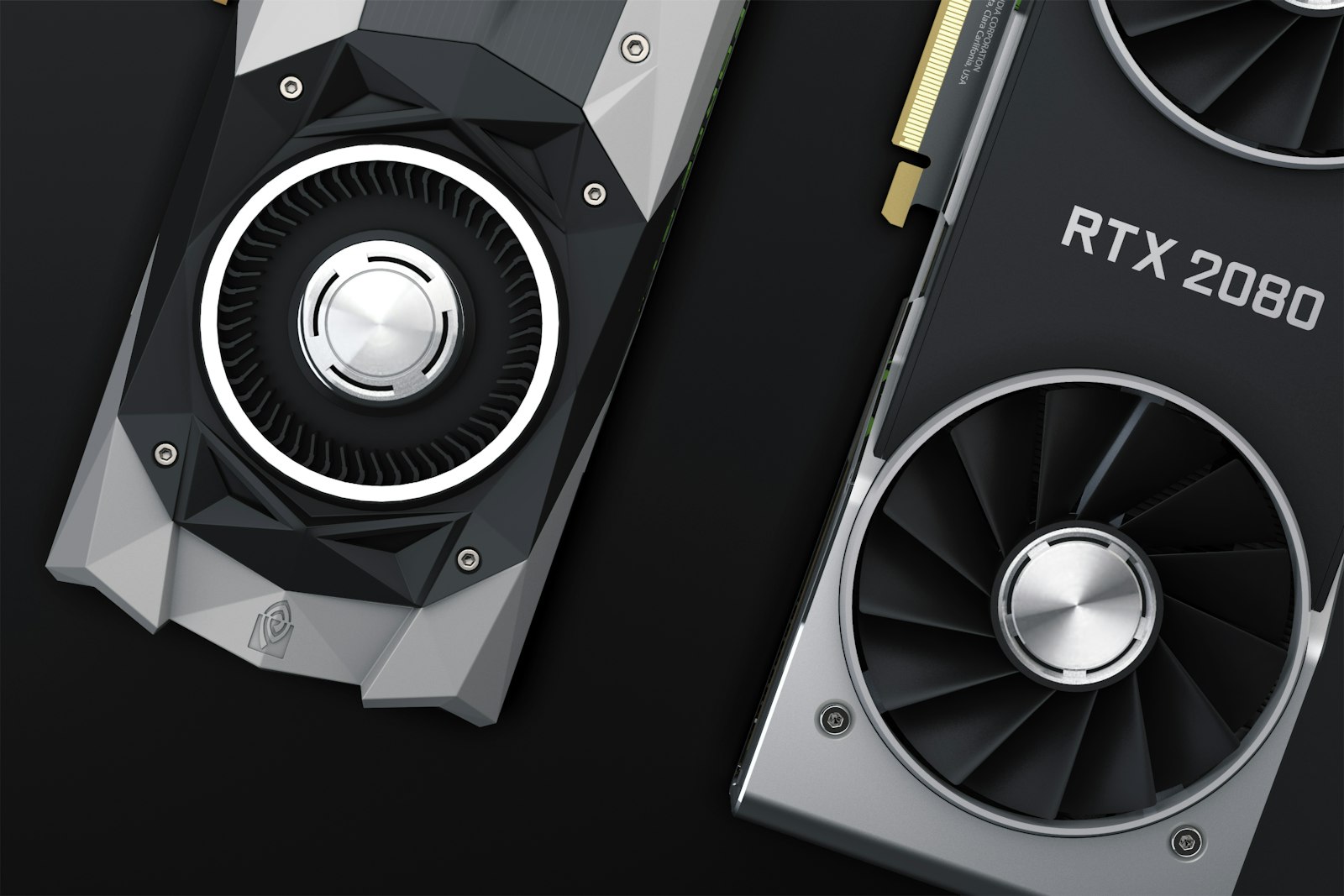
The initiative also includes a video BIOS capable of initializing arbitrary graphics hardware in text mode, as already demonstrated on a SiFive HiFive Unmatched board with an old Nvidia GK208, without touching any x86 BIOS code. The goal is to provide a common abstraction that hides differences among SoCs and peripherals, simplifying OS porting.
Firmware fragmentation has penalized Arm‑based systems for decades, turning every phone and every single‑board computer into its own platform. RISC‑V risks repeating the same mistake, but HFI could break that chain, giving the ecosystem a hardware‑agnostic compatibility layer.
For those evaluating on‑premises deployment of AI inference workloads, the proposal takes on significance beyond mere system boot. The spread of RISC‑V processors in the accelerator space — several startups are building chips with RISC‑V cores to handle neural‑network inference and training — creates an urgent need for standardized software layers. Without a common firmware, each platform ends up requiring custom Linux kernels, modified library versions, and tailor‑made serving pipelines, driving up total cost of ownership and slowing the adoption of open hardware for self‑hosted AI.
An open BIOS like HFI, built on U‑Boot and released under free licenses, not only reduces reliance on proprietary firmware but also provides a guarantee of auditability — a must‑have for environments handling sensitive data, from banking to healthcare. From a data‑sovereignty perspective, being able to verify every line of code running from power‑on to model inference launch offers a concrete advantage over x86 systems, where the BIOS remains a black box in the hands of a few vendors.
The more mature alternative for RISC‑V, the UEFI/EDK2 port, remains a complex and not widely adopted option. Most existing boards rely directly on U‑Boot, which however lacks the modularity and user interface typical of a BIOS. HFI positions itself as an integration layer that keeps U‑Boot as the actual bootloader but adds orchestrated hardware recognition, text‑mode video output, and configuration capabilities, without imposing the UEFI stack.
Zaporozhets describes HFI as an initiative, not a product to license: the reference code is open by construction and tied to U‑Boot’s licenses, with stewardship by QSOE Systems. The project is nascent and industry backing remains to be built, but the direction is clear. If the RISC‑V ecosystem manages to avoid the fragmentation that turned Arm systems into a mosaic of incompatibilities, it will owe much to proposals like this one.


💬 Comments (0)
🔒 Log in or register to comment on articles.
No comments yet. Be the first to comment!