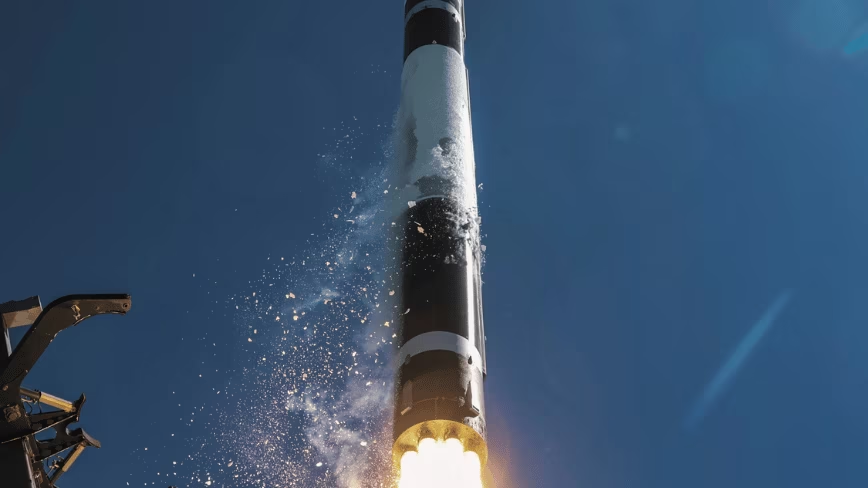
Rocket Lab: Un Trimestre da Record tra Crescita e Aspettative
Rocket Lab, attore di spicco nel settore aerospaziale, ha annunciato risultati finanziari eccezionali per il primo trimestre del 2026. L'azienda ha registrato una crescita dei ricavi del 64%, un dato che sottolinea una fase di espansione significativa. Parallelamente, il valore delle sue azioni ha raggiunto un massimo storico, riflettendo la fiducia degli investitori nelle prospettive future della compagnia.
Questi numeri sono supportati da un backlog impressionante, che ha toccato i 2,2 miliardi di dollari. Un indicatore chiave di questa performance è il volume delle vendite: nel solo primo trimestre del 2026, Rocket Lab ha siglato contratti per un numero di lanci superiore a quello dell'intero anno precedente. Questo evidenzia una domanda robusta per i suoi servizi e una capacità commerciale in forte accelerazione.
Dinamiche di Mercato e l'Attesa per Neutron
Nonostante i successi finanziari, un elemento cruciale rimane in sospeso: il lancio del razzo Neutron. Questo vettore, di cui il mercato sta già "prezzando" il potenziale impatto, non ha ancora effettuato il suo volo inaugurale. L'attesa per Neutron è un fattore significativo nella valutazione di mercato di Rocket Lab, poiché rappresenta un passo avanti nella capacità di carico e nella frequenza dei lanci dell'azienda.
Lo sviluppo di nuovi vettori spaziali comporta sfide tecniche complesse e richiede investimenti ingenti. La capacità di un'azienda di portare a termine progetti ambiziosi come Neutron è un test della sua ingegneria e della sua gestione del rischio. Il successo del suo Deployment sarà fondamentale per consolidare la posizione di Rocket Lab nel panorama competitivo dei lanci spaziali.
Contesto Tecnologico e Paralleli con l'AI
La storia di Rocket Lab, con la sua rapida crescita e l'attesa per una tecnicia chiave ancora da rilasciare, offre spunti di riflessione applicabili anche ad altri settori high-tech, inclusa l'intelligenza artificiale. In entrambi i campi, l'innovazione e la promessa di nuove capacità guidano le aspettative del mercato e gli investimenti. Sebbene Rocket Lab non operi direttamente nel settore degli LLM o dell'infrastruttura AI, le dinamiche di anticipazione e valutazione del potenziale tecnicico sono simili.
Per esempio, nel mondo dell'AI, l'attesa per nuove generazioni di silicio ottimizzato per l'Inference o il training di modelli complessi, o per l'emergere di nuovi Framework, può generare un entusiasmo di mercato che precede il Deployment effettivo di queste soluzioni. Per le aziende che valutano il Deployment di LLM self-hosted, la disponibilità di hardware specifico con elevate VRAM e Throughput è cruciale, e spesso le decisioni di investimento sono prese in anticipo, basandosi su roadmap e promesse tecniciche. Per chi valuta deployment on-premise, esistono trade-off significativi tra costi iniziali e TCO a lungo termine, che richiedono un'attenta analisi.
Prospettive Future e Implicazioni per l'Innovazione
Il percorso di Rocket Lab illustra come la fiducia degli investitori possa essere alimentata sia da solide performance attuali sia da un'aspettativa di innovazione futura. La capacità di mantenere un backlog così consistente, mentre si sviluppa una tecnicia di punta come Neutron, è un equilibrio delicato. Il successo nel portare a termine questi progetti non solo rafforzerà la posizione di Rocket Lab, ma influenzerà anche la percezione del rischio e del potenziale di crescita nell'intero settore aerospaziale.
Per i decision-maker in ambito tecnicico, questa situazione sottolinea l'importanza di valutare non solo i risultati presenti, ma anche la roadmap di sviluppo e la capacità di un'azienda di eseguire le proprie promesse tecniciche. Che si tratti di lanci spaziali o di infrastrutture AI, la capacità di trasformare l'innovazione in soluzioni operative e affidabili rimane la chiave per il successo a lungo termine e per la realizzazione del TCO atteso.






💬 Commenti (0)
🔒 Accedi o registrati per commentare gli articoli.
Nessun commento ancora. Sii il primo a commentare!