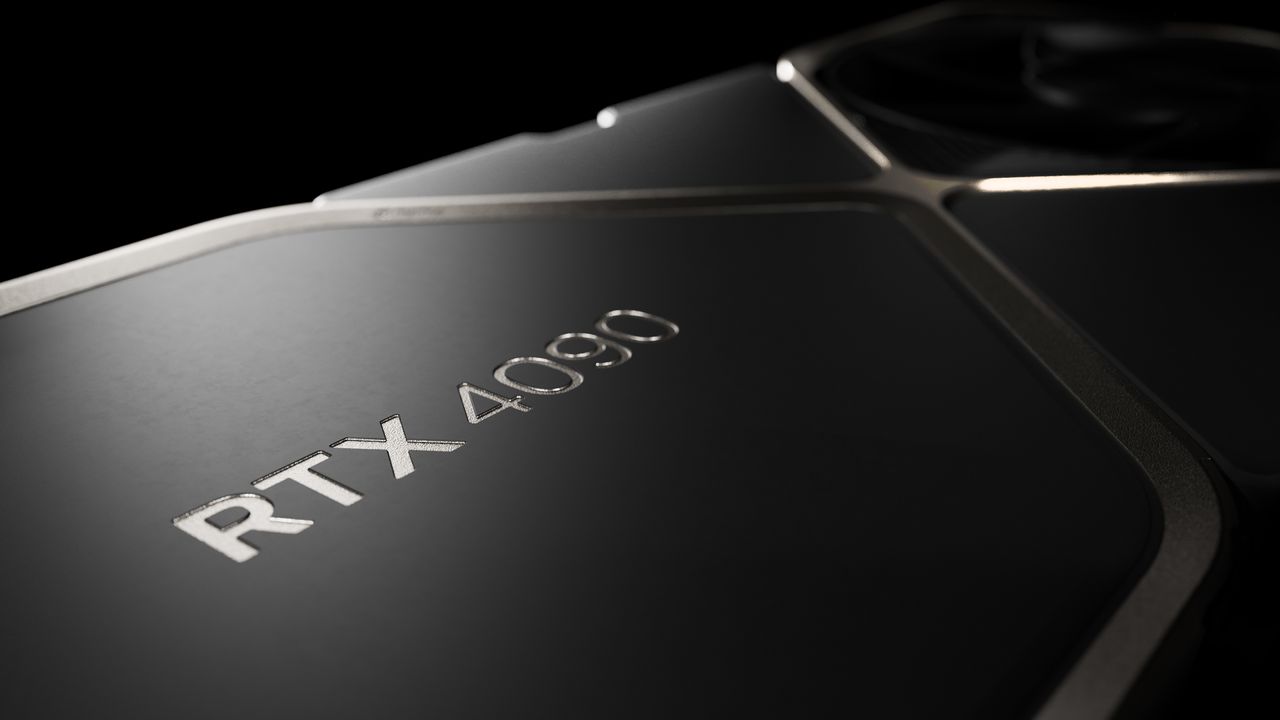
The Sophistication of Hardware Counterfeiting: The Fake RTX 4090 Case
The market for high-end hardware, crucial for the development and deployment of Large Language Models (LLM) and other artificial intelligence applications, is increasingly under pressure. Recently, a fraud case brought to light a counterfeit Nvidia GeForce RTX 4090 GPU, a striking example of the growing sophistication achieved by counterfeiters. This incident is not just a wake-up call for consumers but raises significant questions for companies and IT professionals investing in dedicated AI infrastructures.
The RTX 4090 is one of the most powerful graphics cards available, widely used for intensive workloads such as training and inference of complex AI models. Its high computing capability and generous VRAM make it a key component for those seeking high performance in on-premise environments. The discovery of a fake version, so well-made that it was described as "the best scam ever seen," underscores the need for extreme vigilance throughout the supply chain.
Technical Details of a "Factory-Level" Scam
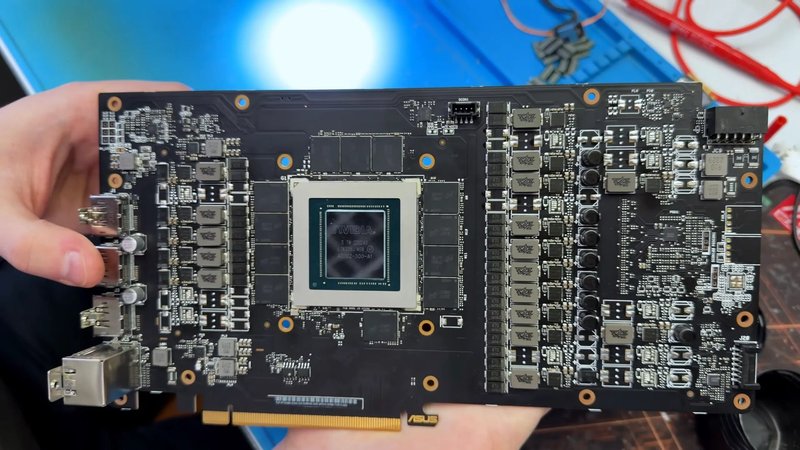
What makes this case particularly alarming is the level of detail and technical expertise employed in creating the counterfeit GPU. According to initial analyses, the card featured laser etchings on both the VRAM and the core, designed to faithfully replicate the markings of original Nvidia components. This approach, described as a "factory-level job," indicates that counterfeiters invested considerable resources to produce a deceptive product, difficult to distinguish from the original upon initial inspection.
The ability to replicate not only the external appearance but also technical details like etchings on memory chips and the graphics processor makes detecting such fakes extremely complex. For an untrained buyer, or even a less experienced technician, identifying a counterfeit GPU of this caliber without advanced diagnostic tools is almost impossible. This poses a concrete risk to the quality, reliability, and security of infrastructures that rely on these components.
Implications for On-Premise Deployments and Data Sovereignty
For CTOs, DevOps leads, and infrastructure architects evaluating on-premise deployments for AI/LLM workloads, the threat of counterfeit hardware has profound implications. Purchasing hardware components, especially high-end GPUs, represents a significant CapEx investment. A fake component not only results in a direct financial loss but can compromise the entire workflow pipeline, introducing instability, unpredictable performance, and, in the worst-case scenario, security vulnerabilities.
Data sovereignty and regulatory compliance, central aspects for many organizations, are intrinsically dependent on the integrity of the underlying hardware. A counterfeit component might not only fail prematurely but also fail to adhere to security standards or contain modified firmware, exposing data to unacceptable risks. For those evaluating self-hosted or air-gapped deployments, trust in the supply chain is a fundamental pillar. AI-RADAR offers analytical frameworks on /llm-onpremise to support decisions regarding trade-offs between cost, performance, and security in these contexts.
The Need for Rigorous Controls and a Reliable Supply Chain
The case of the counterfeit RTX 4090 highlights a growing challenge in the tech industry: protecting the supply chain from falsified products. Companies that depend on high-performance hardware for their AI operations must adopt robust strategies to mitigate these risks. This includes sourcing from authorized and verified suppliers, implementing rigorous quality controls upon goods arrival, and utilizing diagnostic tools to authenticate components.
Vigilance has never been more critical. As the demand for GPUs for AI continues to grow, so does the incentive for counterfeiters to introduce deceptive products to the market. Maintaining a proactive approach to hardware verification is essential to ensure the reliability, security, and long-term TCO of AI infrastructures, especially in on-premise contexts where direct control over hardware is a priority.






💬 Comments (0)
🔒 Log in or register to comment on articles.
No comments yet. Be the first to comment!