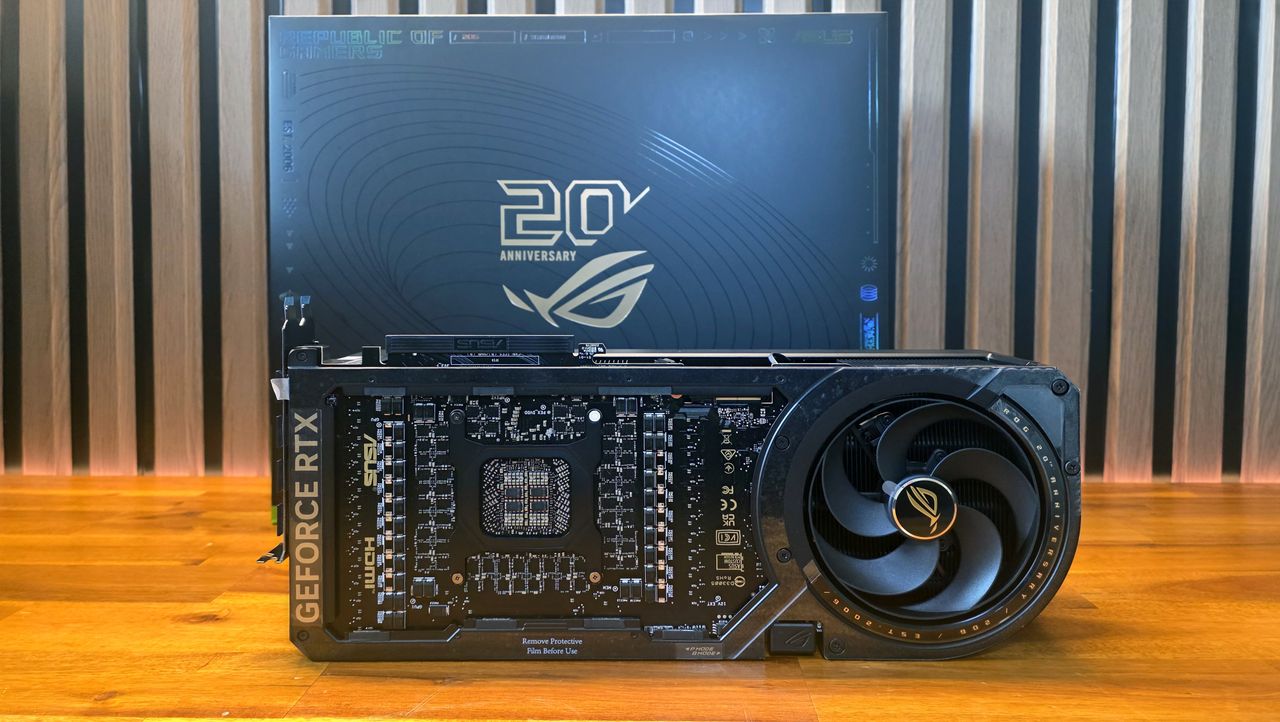
The Hydra update for RTX 50 cards adds two levers that matter more than they appear in a local AI context: power limit control and VRAM management, with memory offset up to +3000 MHz. It's not news for overclocking enthusiasts, but for teams using these GPUs to run self-hosted LLMs it has specific weight.
This might look like a minor tweak, but VRAM and memory bandwidth are the critical path for Large Language Models inference. With equivalent architecture, an LLM serves tokens by reading model weights from GPU memory: when compute is not the constraint, bandwidth determines how fast the response arrives. Raising the memory offset acts exactly on that path. The source does not say whether +3000 MHz is stable across all cards or requires special cooling; the number exists, but validation remains the step that separates an intriguing option from a fragile configuration.
Then there is the second element: power limits. In a continuous on-premise deployment, power draw is not just a thermal issue, but a TCO one. A card left answering for hours with a raised limit consumes more and, if the workload does not need all that energy, produces heat without benefit. Fine-grained control allows choosing an operating point more suited to a local service that must stay up, instead of chasing a benchmark score. Hydra does not introduce anything magical here, but it makes accessible a balance that was previously cruder.
The fact that an overclocking tool arrives on RTX 50 with these controls also signals how this generation is used less and less only for gaming. The same parameters that interest people chasing extra frames interest those who must run local models on consumer hardware, where every bit of bandwidth and every saved watt counts. It is not a coincidence that tuning tools have begun speaking the language of self-hosting: local AI demand is reorienting the utilities ecosystem, not just the chips.
For anyone evaluating on-premise deployments, the point is not whether to overclock, but understanding that the margin on VRAM and power must be read together with stability and warranty. An aggressive offset can improve perceived latency, but a system that crashes during inference is a cost, not a gain. The maturity of a tool like Hydra is in not hiding these trade-offs, leaving the balance point to the user.





💬 Comments (0)
🔒 Log in or register to comment on articles.
No comments yet. Be the first to comment!