Introduzione
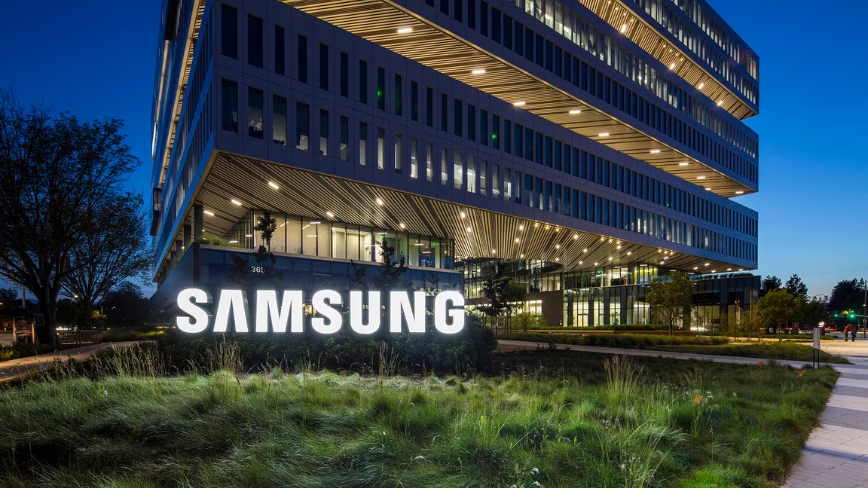
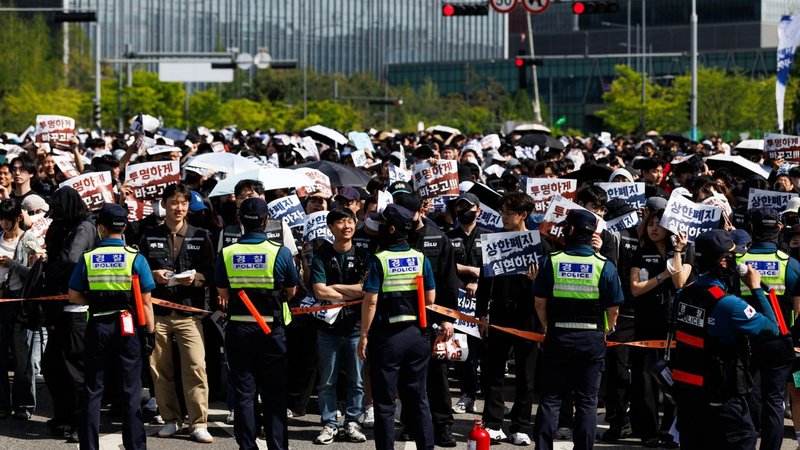
Le recenti evoluzioni nelle relazioni industriali di Samsung Electronics, con la riapertura del dialogo tra l'azienda e il suo principale sindacato, segnano un momento significativo per il colosso tecnicico. L'azienda ha rimosso le precondizioni per i negoziati, aprendo la strada a possibili colloqui a partire dal 7 giugno, a pochi giorni dalla conclusione di uno sciopero che ha coinvolto i lavoratori per 18 giorni. Questa mossa, che mira a ristabilire la stabilità operativa, evidenzia come anche le questioni interne a un'azienda possano avere ripercussioni ben oltre i confini aziendali, influenzando l'intera catena di fornitura tecnicica globale.
Per le organizzazioni che dipendono da componenti hardware avanzati, come quelli necessari per i Large Language Models (LLM) on-premise, la stabilità dei principali fornitori è un fattore cruciale. La capacità di un'azienda come Samsung di mantenere una produzione costante e prevedibile è fondamentale per garantire la disponibilità di silicio, memorie e altri elementi essenziali che alimentano l'infrastruttura AI a livello mondiale.
Il Contesto Industriale e la Pipeline di Fornitura
Samsung Electronics non è solo un produttore di elettronica di consumo, ma anche un attore dominante nella produzione di semiconduttori, memorie DRAM e NAND, componenti indispensabili per server, data center e, in particolare, per le GPU ad alte prestazioni utilizzate nell'inference e nel training di LLM. Le interruzioni nella sua produzione, anche se temporanee o legate a dinamiche interne come le vertenze sindacali, possono generare effetti a cascata sull'intera catena di fornitura.
La volatilità nella disponibilità di questi componenti può tradursi in ritardi nelle consegne, aumenti dei costi e difficoltà nella pianificazione per le aziende che intendono sviluppare e rilasciare soluzioni AI. In un mercato già caratterizzato da una domanda elevata per hardware specifico, come le GPU con elevata VRAM, qualsiasi fattore di instabilità può esacerbare le sfide di approvvigionamento e influire sul Total Cost of Ownership (TCO) complessivo delle infrastrutture.
Implicazioni per il Deployment On-Premise di LLM
Per le aziende che optano per un deployment on-premise di LLM, la dipendenza da una catena di fornitura stabile è ancora più marcata. La scelta di self-hosted solutions è spesso motivata da esigenze di sovranità dei dati, compliance normativa o dalla necessità di operare in ambienti air-gapped. Queste decisioni strategiche richiedono un controllo rigoroso sull'hardware e sull'infrastruttura sottostante.
La disponibilità di GPU specifiche, con requisiti precisi in termini di VRAM e capacità di calcolo, è un vincolo fondamentale. Eventuali interruzioni nella produzione o nella distribuzione di questi componenti possono compromettere la capacità di un'organizzazione di scalare la propria infrastruttura AI o di sostituire hardware obsoleto. La pianificazione del TCO per un'infrastruttura on-premise deve quindi considerare non solo i costi iniziali e operativi, ma anche i rischi legati alla volatilità della catena di fornitura e alla potenziale rarità di componenti chiave. Per chi valuta deployment on-premise, esistono trade-off significativi tra il controllo e la sovranità offerti da queste soluzioni e le sfide legate all'approvvigionamento e alla gestione dell'hardware.
Prospettiva Finale
Il caso di Samsung, pur essendo specifico per le sue dinamiche interne, serve da promemoria della complessa interconnessione che caratterizza l'industria tecnicica globale. La stabilità operativa dei giganti manifatturieri è un pilastro per l'innovazione e la crescita in settori emergenti come l'intelligenza artificiale. Per i CTO, i responsabili DevOps e gli architetti di infrastruttura, monitorare non solo le tendenze tecniciche ma anche i fattori macroeconomici e industriali diventa essenziale.
La capacità di anticipare e mitigare i rischi legati alla catena di fornitura è un elemento strategico per il successo dei progetti AI, specialmente quelli che richiedono un controllo granulare sull'hardware e sui dati attraverso un approccio self-hosted. La resilienza dell'infrastruttura AI, in ultima analisi, dipende tanto dalla sua architettura tecnica quanto dalla robustezza e prevedibilità dell'ecosistema globale che la supporta.




💬 Commenti (0)
🔒 Accedi o registrati per commentare gli articoli.
Nessun commento ancora. Sii il primo a commentare!