
L'espansione strategica di Samsung nel packaging AI
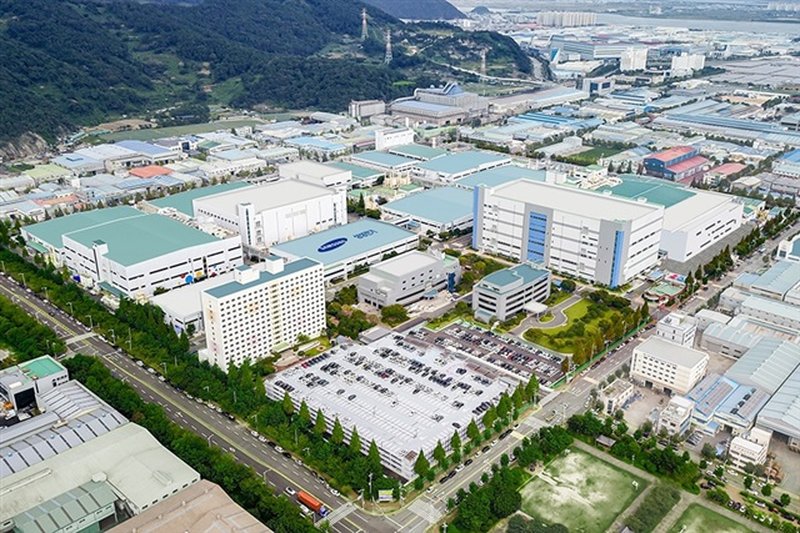
Samsung Electro-Mechanics (SEMCO) avrebbe avviato piani per un'espansione significativa delle sue capacità produttive in Vietnam. L'azienda si concentrerebbe sull'incremento della linea di produzione di substrati con MLCC (Multi-Layer Ceramic Capacitor) integrati, una mossa strategica volta a supportare la crescente domanda di packaging avanzato per l'hardware dedicato all'intelligenza artificiale. Questa iniziativa sottolinea l'importanza critica delle tecnicie di packaging nel panorama attuale dell'AI, dove l'efficienza e le prestazioni dei chip sono fattori determinanti.
La scelta del Vietnam come hub per questa espansione riflette le dinamiche globali della catena di fornitura, con le aziende che cercano di diversificare e ottimizzare le proprie operazioni manifatturiere. L'investimento in infrastrutture per il packaging AI è un segnale chiaro dell'impegno di SEMCO nel consolidare la propria posizione come fornitore chiave di componenti essenziali per l'ecosistema dell'intelligenza artificiale, che include i Large Language Models (LLM) e altre applicazioni ad alta intensità computazionale.
Il ruolo cruciale del packaging avanzato per l'AI
Il packaging dei chip AI, in particolare per acceleratori come le GPU, è un elemento fondamentale che incide direttamente sulle prestazioni e sull'affidabilità dell'hardware. I substrati con MLCC integrati sono componenti vitali in questo contesto. I MLCC sono condensatori ceramici multistrato che svolgono un ruolo essenziale nella stabilizzazione dell'alimentazione e nella riduzione del rumore elettrico all'interno dei circuiti integrati ad alte prestazioni. Integrandoli direttamente nel substrato, si possono ottenere miglioramenti significativi nella densità di potenza, nell'integrità del segnale e nella dissipazione del calore.
Per i carichi di lavoro AI, come l'inference e il training di LLM, questi dettagli tecnici si traducono in una maggiore efficienza energetica e in una migliore stabilità operativa. L'hardware AI richiede un'erogazione di potenza estremamente pulita e stabile per gestire i picchi di consumo e le elevate frequenze operative. Un packaging avanzato, come quello che include MLCC embedded, contribuisce a garantire che le GPU possano operare al massimo delle loro capacità, fornendo il throughput e la bassa latenza necessari per le applicazioni più esigenti. Questo è particolarmente rilevante per chi valuta deployment on-premise, dove ogni watt e ogni ciclo di clock contano per il TCO e le performance complessive.
Implicazioni per la catena di fornitura e i deployment on-premise
L'espansione delle capacità di packaging AI da parte di attori come Samsung Electro-Mechanics ha ripercussioni significative sull'intera catena di fornitura globale. Un aumento della produzione di componenti critici come i substrati avanzati può contribuire a mitigare le strozzature e a garantire una maggiore disponibilità di hardware AI sul mercato. Questo è un fattore chiave per le aziende che stanno pianificando investimenti in infrastrutture AI, sia che si tratti di data center cloud che di soluzioni self-hosted.
Per i CTO, i responsabili DevOps e gli architetti di infrastrutture che considerano deployment on-premise per i propri carichi di lavoro LLM, la qualità e la disponibilità del packaging hardware sono direttamente correlate alla fattibilità e all'efficienza dei loro progetti. Hardware più performante e affidabile, reso possibile da un packaging avanzato, può ridurre il TCO a lungo termine, migliorare la sovranità dei dati e facilitare la conformità in ambienti air-gapped. La capacità di ottenere GPU con packaging di ultima generazione è fondamentale per costruire stack locali robusti e competitivi rispetto alle offerte cloud. AI-RADAR offre framework analitici su /llm-onpremise per valutare questi trade-off e supportare le decisioni di deployment.
Prospettive future nel panorama dell'hardware AI
L'investimento di Samsung Electro-Mechanics nel packaging AI in Vietnam riflette una tendenza più ampia nel settore tecnicico: la crescente consapevolezza che l'innovazione non si limita solo alla progettazione dei chip, ma si estende anche ai processi di fabbricazione e assemblaggio. Man mano che i requisiti di performance per l'AI continuano a crescere, con modelli LLM sempre più grandi e complessi, la necessità di packaging avanzato diventerà ancora più pressante. Questo include non solo i MLCC embedded, ma anche altre tecnicie come il 2.5D e il 3D packaging, che permettono di integrare più componenti (come la VRAM HBM) in un unico pacchetto ad alta densità.
La competizione per dominare queste tecnicie di packaging è intensa, poiché rappresentano un differenziatore chiave nel mercato dell'hardware AI. Le aziende che riescono a scalare la produzione di questi componenti critici saranno in una posizione vantaggiosa per supportare l'evoluzione dell'intelligenza artificiale. Questo scenario evidenzia l'interdipendenza tra i diversi attori della catena di fornitura e l'importanza di investimenti continui in ricerca e sviluppo per mantenere il passo con le esigenze in rapida evoluzione del settore AI.




💬 Commenti (0)
🔒 Accedi o registrati per commentare gli articoli.
Nessun commento ancora. Sii il primo a commentare!