
AI Chip Boom Drives Samsung's Profits
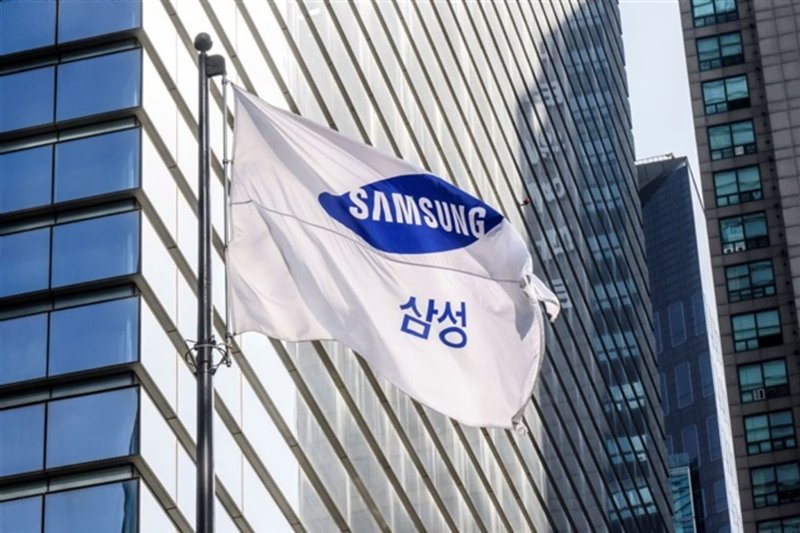
Samsung Electronics recently reported record profits in its chip manufacturing segment, a result analysts interpret as a clear indicator of the strengthening "supercycle" for artificial intelligence memory. This phenomenon underscores the growing and relentless demand for high-performance hardware components, which are fundamental to powering the expansion of computing capabilities required by Large Language Models (LLMs) and other AI applications.
The semiconductor sector, and particularly high-bandwidth memory (HBM), is at the heart of this revolution. The ability to supply fast, dense memory has become a critical factor for AI system performance, directly impacting the speed of model training and inference. This scenario creates a favorable environment for chip manufacturers, who are seeing both sales volumes and profit margins increase.
The Crucial Role of Memory in AI Deployments
Memory, especially the VRAM (Video RAM) of GPUs, is a fundamental bottleneck for AI workloads. Increasingly larger LLMs require vast amounts of VRAM to be loaded and to perform inference efficiently. Adequate memory bandwidth is equally critical to ensure data can be transferred quickly between memory and compute cores, avoiding latencies that would slow down the entire pipeline.
For organizations evaluating on-premise LLM deployments, the choice of memory hardware becomes a strategic decision with direct impacts on TCO. Investing in GPUs with higher VRAM and throughput can reduce the need to scale horizontally with more servers, optimizing energy and management costs. However, this entails higher initial CapEx, requiring careful analysis of trade-offs compared to cloud-based solutions, which offer greater operational flexibility but potentially higher recurring costs in the long term.
Implications for IT Strategies and Data Sovereignty
The strengthening AI memory supercycle has profound implications for enterprise IT strategies. The availability and cost of hardware components directly influence the feasibility and scalability of internal AI projects. For companies prioritizing data sovereignty and regulatory compliance, the option of a self-hosted or air-gapped deployment becomes increasingly attractive, but it requires robust and well-planned hardware infrastructure.
The ability to manage AI hardware internally offers unprecedented control over data and models, but it also entails the need for specialized skills in infrastructure management. The growing demand for AI memory drives innovation, but also prices, making long-term planning and TCO optimization crucial aspects. For those evaluating on-premise deployments, AI-RADAR offers analytical frameworks on /llm-onpremise to assess the trade-offs between performance, cost, and control.
Future Outlook and Industry Challenges
The trend highlighted by Samsung's profits suggests that the demand for AI memory will continue to grow significantly. This will further drive innovation in semiconductors, with the introduction of new generations of HBM and other memory technologies optimized for AI workloads. However, reliance on a limited number of suppliers and the complexity of the global supply chain could pose challenges.
Companies will need to balance the need for access to cutting-edge hardware with managing risks related to availability and costs. The ability to adapt quickly to market changes and optimize the utilization of existing hardware resources will be crucial for maintaining a competitive advantage in the age of artificial intelligence. The AI memory supercycle is a phenomenon that will redefine the technological landscape for years to come, impacting every aspect of IT infrastructure.







💬 Comments (0)
🔒 Log in or register to comment on articles.
No comments yet. Be the first to comment!