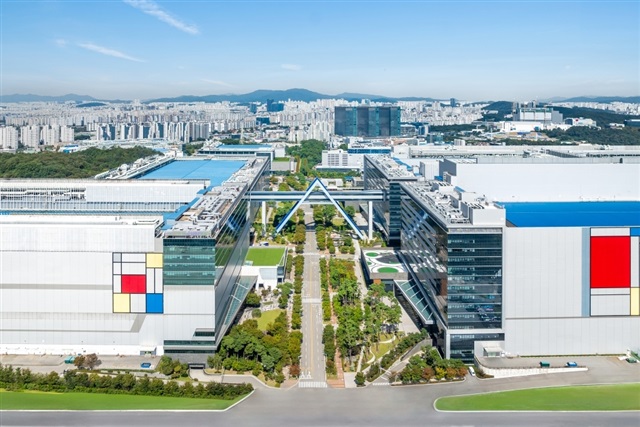
Two heavy hitters in the AI space — Meta and Anthropic — are reportedly exploring chip manufacturing deals with Samsung Foundry. The unconfirmed rumor emerges at a time when advanced silicon capacity is overwhelmingly dominated by TSMC, and any crack in that de facto monopoly is worth watching.
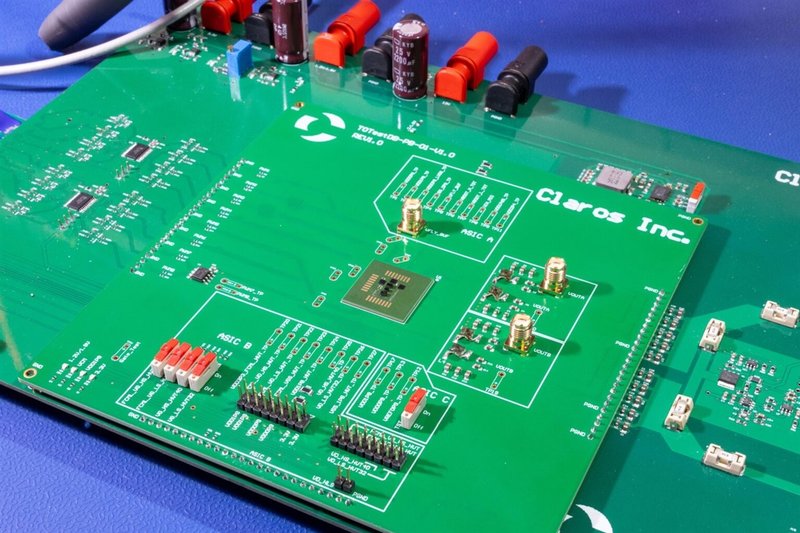
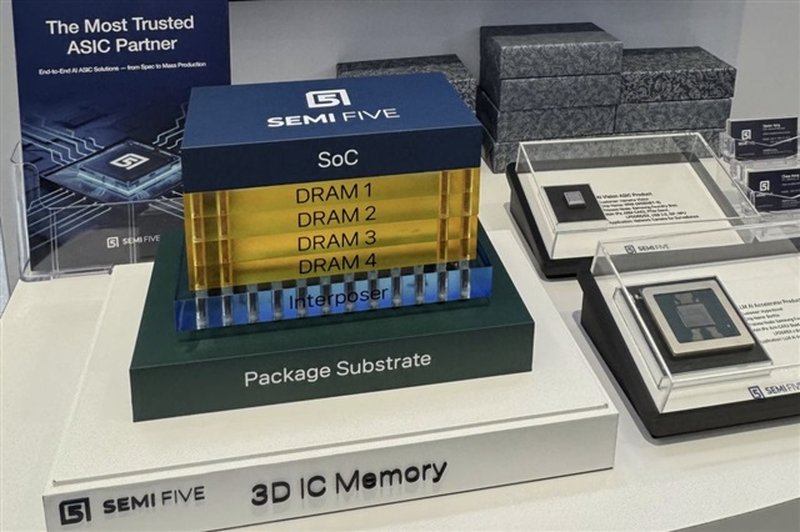
The backdrop is familiar: anyone developing LLMs at scale needs increasingly efficient compute, and off-the-shelf GPUs are no longer enough. Custom chips (ASICs) designed for specific inference or training workloads squeeze more performance per watt and drive down TCO, especially when infrastructure is on-premise or self-hosted. Meta has already signaled its intent to reduce external dependency with its MTIA project, while Anthropic is racing to stay competitive in a crowded market of proprietary models.
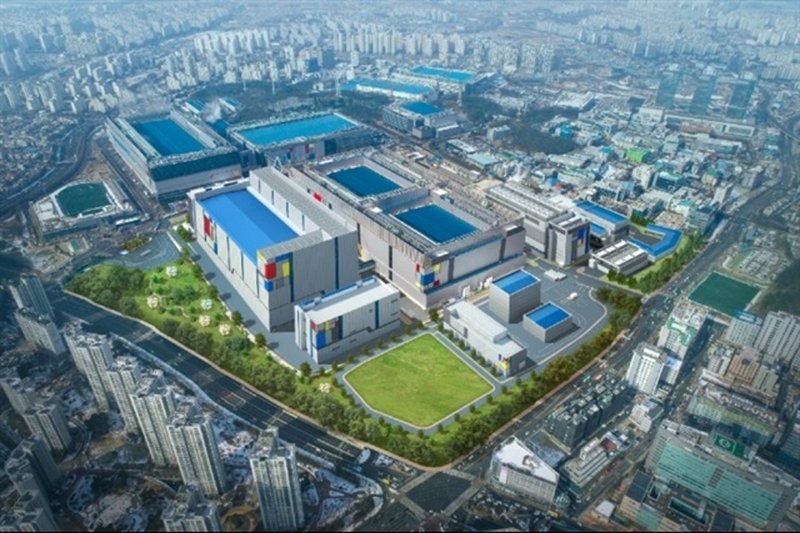
Samsung Foundry, for its part, has poured billions into its 3-nanometer node with Gate-All-Around technology, aiming to overcome FinFET transistor limitations. Landing orders from hyperscale customers like Meta and Anthropic wouldn’t just be a financial lifeline — it would be a major technical signal, suggesting that Samsung’s manufacturing processes can match the Taiwanese rival in yield and performance, at least for certain classes of AI chips.
For those planning on-prem deployments — enterprises, research labs, public-sector organizations that can’t or won’t rely on cloud — the prospect is intriguing. Today, almost all inference and training hardware is built on TSMC silicon. A second reliable advanced-process supplier introduces healthy redundancy into the supply chain, reduces bottleneck risk, and could, over time, temper the cost of specialized chips. That’s no small detail when planning decade-long investments in self-hosted infrastructure, where data sovereignty and cost predictability matter more than the spot price of cloud instances.
Of course, we’re still in the evaluation phase. Turning interest into a stable supply agreement requires design finalization, compatibility testing, and guaranteed minimum volumes. But the mere fact that companies with such demanding AI roadmaps are eyeing Samsung as a credible alternative speaks volumes about how the foundry market is slowly becoming less monolithic. In an industry accustomed to long lead times and intermittent availability, even a slight rebalancing can make all the difference.






💬 Comments (0)
🔒 Log in or register to comment on articles.
No comments yet. Be the first to comment!