La Contesa Salariale in Samsung e l'Impatto sull'AI
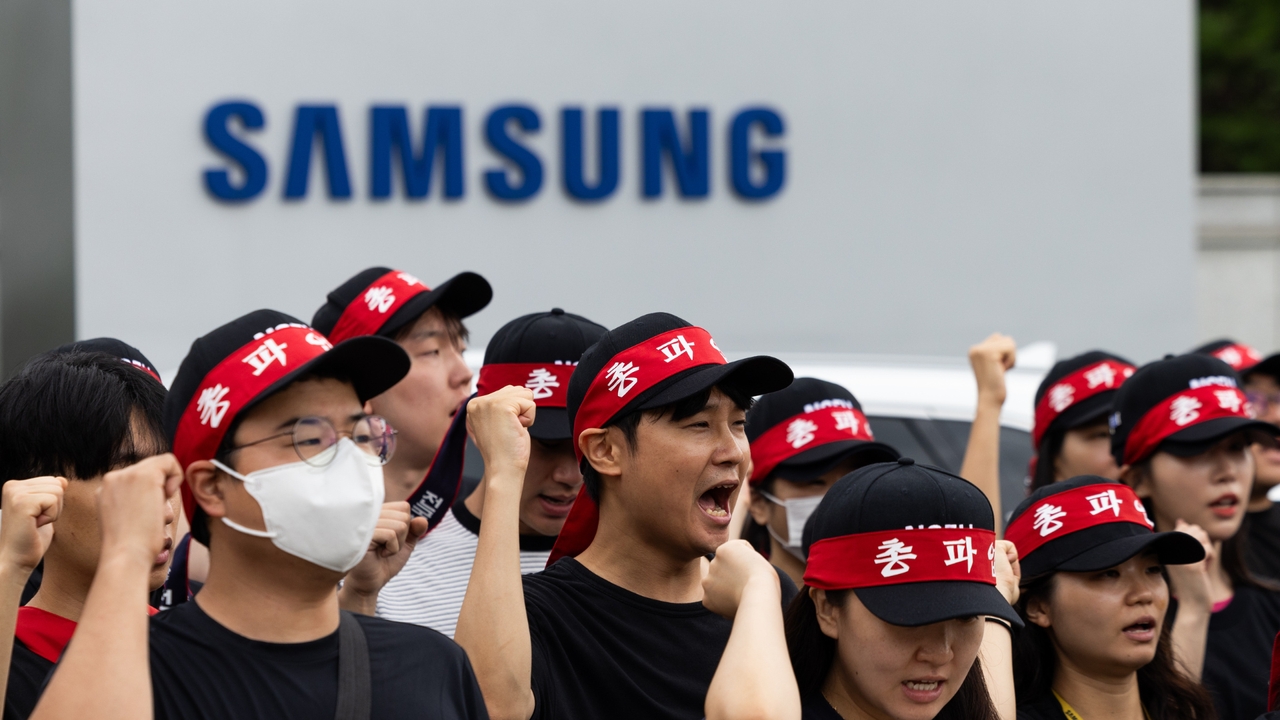
I lavoratori del settore chip di Samsung, un pilastro fondamentale nell'ecosistema tecnicico globale, hanno rifiutato un bonus una tantum di 340.000 dollari. La loro richiesta è chiara: desiderano pagamenti annuali che riflettano maggiormente il successo dell'azienda, citando come riferimento i 900.000 dollari annui percepiti dai colleghi di SK Hynix, un altro gigante del settore. Questa contesa salariale non è solo una questione interna, ma si inserisce in un contesto più ampio, dove i lavoratori chiedono una quota dei profitti generati dal crescente boom dell'intelligenza artificiale.
La posta in gioco è alta. Un potenziale sciopero di 18 giorni, già paventato, potrebbe costare a Samsung fino a 11,7 miliardi di dollari. Tale cifra evidenzia non solo l'enorme valore economico delle operazioni di Samsung, ma anche la potenziale fragilità delle catene di fornitura globali, specialmente in un momento in cui la domanda di componenti per l'AI è in costante aumento. L'interruzione delle attività in un produttore di chip di questa portata avrebbe ripercussioni significative ben oltre i confini dell'azienda stessa.
Il Contesto del Settore e la Richiesta dei Lavoratori
Il settore dei semiconduttori è al centro della rivoluzione dell'intelligenza artificiale. La produzione di chip avanzati, memorie ad alta larghezza di banda (come HBM) e altri componenti essenziali è cruciale per l'addestramento e l'Inference di Large Language Models (LLM) e altri carichi di lavoro AI. Aziende come Samsung sono fornitori chiave di queste tecnicie, e il loro successo è intrinsecamente legato alla domanda esplosiva di soluzioni AI.
I lavoratori, osservando i profitti record e le prospettive di crescita alimentate dall'AI, ritengono di dover beneficiare in modo più sostanziale di questo “AI windfall”. La richiesta di pagamenti annuali, in contrapposizione a un bonus una tantum, suggerisce una volontà di stabilire una partecipazione più duratura e strutturale ai successi dell'azienda. Questo scenario evidenzia una crescente tendenza in vari settori tecnicici, dove i dipendenti cercano di negoziare condizioni migliori alla luce dei margini di profitto generati dalle nuove ondate tecniciche.
Implicazioni per la Filiera AI e i Deployment On-Premise
Per le organizzazioni che valutano o hanno già implementato soluzioni AI, in particolare quelle che optano per deployment self-hosted o on-premise, una potenziale interruzione della produzione di chip in Samsung rappresenta un rischio significativo. La disponibilità di hardware specifico, come GPU con elevata VRAM o memorie specializzate, è un fattore critico per la scalabilità e le performance dei sistemi AI locali. Uno sciopero prolungato potrebbe causare ritardi nella consegna di componenti, aumentare i costi di acquisizione e, in ultima analisi, influire sul Total Cost of Ownership (TCO) delle infrastrutture AI.
La dipendenza da una catena di fornitura globale complessa e interconnessa rende le aziende vulnerabili a eventi come questo. Per chi si impegna a mantenere la sovranità dei dati e il controllo completo sui propri stack AI attraverso deployment on-premise, la stabilità della fornitura hardware è tanto importante quanto la scelta del Framework o del modello LLM. Le interruzioni possono compromettere la capacità di espandere la capacità di calcolo, di effettuare Fine-tuning dei modelli o di gestire l'Inference con i requisiti di Throughput e latenza desiderati. Per chi valuta deployment on-premise, esistono trade-off che AI-RADAR esplora in dettaglio, offrendo framework analitici su /llm-onpremise per valutare queste complessità.
Prospettive Future e Gestione del Rischio
La situazione in Samsung sottolinea la crescente importanza della gestione del rischio nella catena di fornitura per l'industria AI. Le aziende che dipendono da questi componenti dovranno considerare strategie di mitigazione, come la diversificazione dei fornitori o la creazione di scorte strategiche, sebbene quest'ultima opzione comporti costi aggiuntivi e complessità logistiche. La resilienza della filiera diventa un fattore competitivo chiave, specialmente per chi mira a mantenere un vantaggio tecnicico attraverso l'adozione di soluzioni AI avanzate.
La risoluzione di questa disputa salariale non influenzerà solo i bilanci di Samsung, ma invierà anche un segnale all'intero settore dei semiconduttori e, per estensione, all'industria dell'intelligenza artificiale. La capacità di garantire una produzione stabile e prevedibile di chip è fondamentale per sostenere la crescita esponenziale dell'AI e per consentire alle aziende di tutto il mondo di realizzare i propri progetti di trasformazione digitale, sia in cloud che, in modo sempre più rilevante, in ambienti self-hosted e air-gapped.







💬 Commenti (0)
🔒 Accedi o registrati per commentare gli articoli.
Nessun commento ancora. Sii il primo a commentare!