
Taiwan's Eris Expects Order Surge in Tech Sector Amid Sanctions
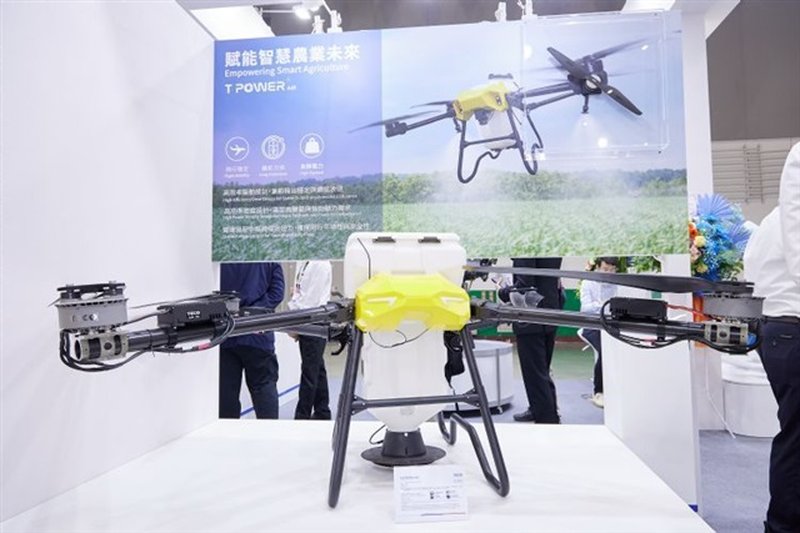
The global technology landscape is constantly shaped by geopolitical dynamics and political decisions that transcend national borders. In this context, Eris, a Taiwan-based company, has announced its expectation of a significant increase in orders. This forecast comes after the imposition of new sanctions against a Chinese competitor, an event that is reshaping market balances in key innovation sectors.
The news, reported by DIGITIMES, highlights how trade restrictions can have a direct and immediate impact on global supply chains and corporate procurement strategies. For decision-makers managing complex technological infrastructures, particularly those dedicated to artificial intelligence and Large Language Models (LLM) workloads, understanding these dynamics is crucial to ensuring operational continuity and long-term resilience.
Geopolitical Context and Hardware Implications
International sanctions, often motivated by national security concerns or trade disputes, can create market vacuums that are quickly filled by other players. In this specific case, Eris's expectation of an order surge suggests that the sanctioned Chinese competitor operated in a market segment where Eris is capable of offering alternative solutions. This scenario underscores the fragility of global supply chains and the need for companies to diversify their suppliers.
For CTOs and infrastructure architects, the availability and reliability of hardware components are critical factors. Whether it's specialized silicon, high-performance GPUs for LLM Inference and training, or other essential elements, supply chain disruptions can delay projects, increase costs, and compromise an organization's ability to innovate. Dependence on a limited number of suppliers, or on geographical regions subject to geopolitical tensions, introduces significant risk that must be carefully managed.
Data Sovereignty and Supply Chain Resilience
The choice to adopt a self-hosted or on-premise approach for AI workloads is often driven by the need to maintain full data sovereignty and adhere to strict compliance requirements, such as GDPR. However, the ability to implement and scale such infrastructures is intrinsically dependent on the availability of specific hardware. Events like sanctions can significantly complicate this process.
Companies investing in on-premise deployments must consider not only the initial and operational TCO but also the resilience of their supply chain. Ensuring access to critical components, even in volatile market scenarios, becomes a fundamental element of risk strategy. Geographical diversification of suppliers and the establishment of strategic inventories can mitigate some of these risks, ensuring that AI projects, especially those operating in air-gapped environments or with sensitive data, can proceed without unexpected interruptions.
Future Outlook and Trade-offs for Businesses
The case of Eris and its Chinese competitor serves as a reminder of the constant evolution of the technology market, influenced by factors that extend far beyond mere technical innovation. Investment decisions in AI infrastructures, whether for a bare metal data center or a hybrid architecture, must consider a wide range of variables, including geopolitical risks and supply chain stability.
For those evaluating on-premise deployments, analytical frameworks exist to assess complex trade-offs, including factors such as supply chain resilience, long-term TCO, and the ability to maintain control over their data. A company's ability to navigate this complex environment, balancing performance, cost, and risk, will largely determine the success of its artificial intelligence initiatives. Market volatility demands a proactive approach and strategic planning that looks beyond the short term.







💬 Comments (0)
🔒 Log in or register to comment on articles.
No comments yet. Be the first to comment!