Introduzione
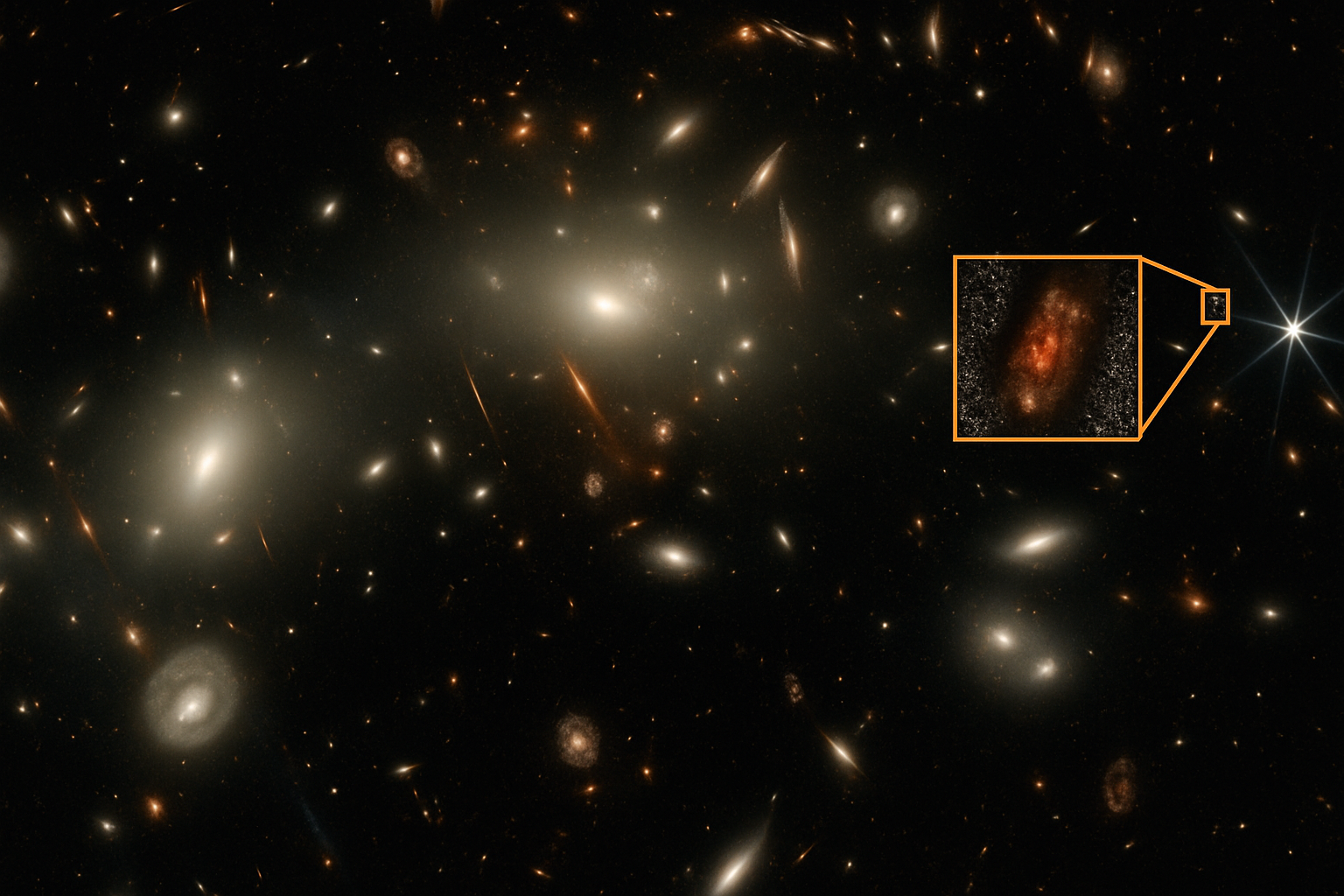
Quando il cosmo aveva appena compiuto un decimo della sua età attuale, una galassia spirale perfettamente organizzata stava già formando stelle a un ritmo vertiginoso.
La scoperta di quest'evento ha scatenato un dibattito accademico tra gli astronomi, che cercano di capire le implicazioni di questa scoperta sulla nostra comprensione dell'universo.
Dettagli
La galassia in questione si trova nella costellazione di Andromeda e presenta una struttura spirale estremamente ordinata, con stelle che vengono formate a un ritmo di circa 1% ogni milione di anni.
I dettagli della scoperta sono stati resi noti dal team di ricercatori guidato dall'astronomo statunitense Dr. Maria Rodriguez, che ha utilizzato l'osservatorio spaziale Hubble per rilevare le stelle in evoluzione nella galassia.
\n## Implicazioni
La scoperta di questa galassia spirale in evoluzione ha significative implicazioni per la nostra comprensione dell'universo, poiché sfida le nostre idee sull'origine e l'evoluzione delle stelle.
Inoltre, la scoperta potrebbe aprire nuove possibilità per la ricerca astronomica, in particolare nella campo della formazione stellare.
Conclusione
La scoperta di questa galassia spirale in evoluzione è un evento straordinario che richiede ulteriori ricerche e analisi per capire le sue implicazioni sulla nostra comprensione dell'universo. Il team di ricercatori guidato da Dr. Maria Rodriguez ha fatto un passo importante nella ricerca astronomica, e speriamo che questo scopo possa aprire nuove prospettive per la comprensione della formazione stellare.






💬 Commenti (0)
🔒 Accedi o registrati per commentare gli articoli.
Nessun commento ancora. Sii il primo a commentare!