La proposta e l'impatto territoriale
Una piccola comunità di circa 7.000 abitanti si trova al centro di una controversia significativa, scaturita dalla proposta di costruire sei data center dedicati all'intelligenza artificiale. L'entità del progetto è notevole: l'area complessiva occupata da queste strutture sarebbe equivalente a quella di 51 Walmart Supercenter, distribuiti su una superficie di circa 17 miglia quadrate. Questa scala massiccia solleva interrogativi profondi sull'impatto ambientale, infrastrutturale e sociale per una località di dimensioni così contenute.
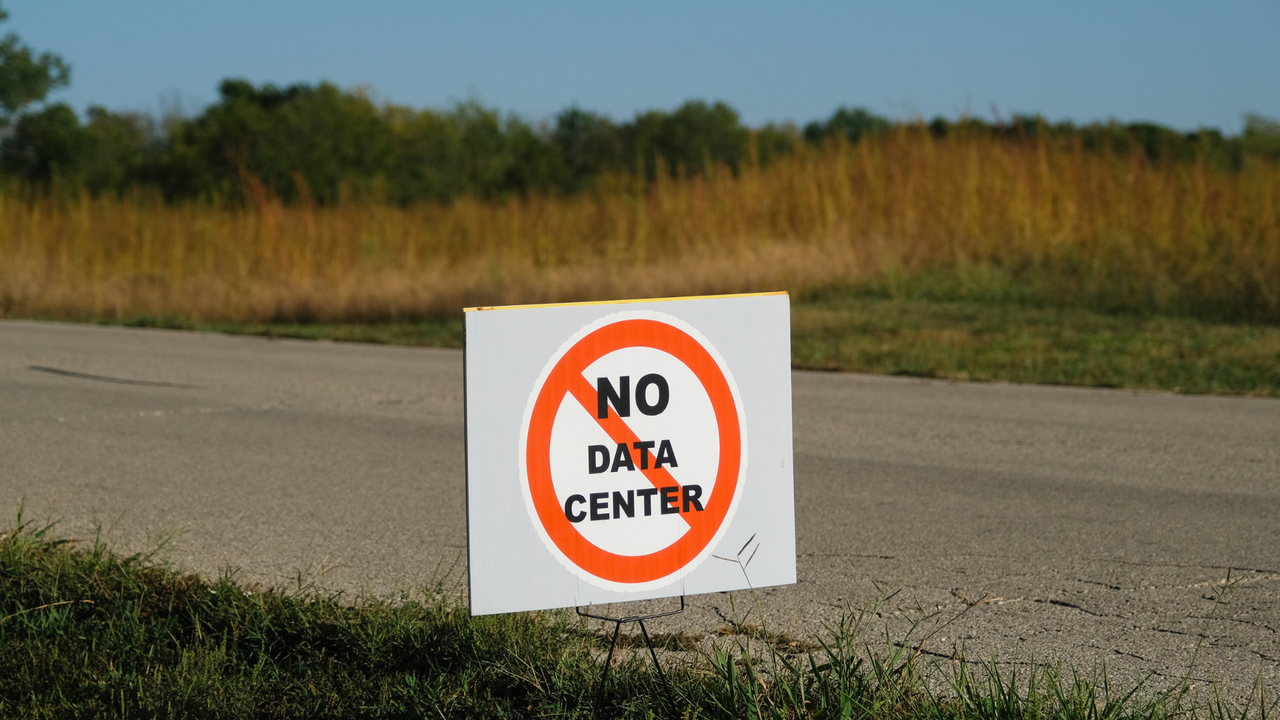
La reazione della comunità non si è fatta attendere. La proposta ha generato una forte opposizione locale, culminata nelle dimissioni di quattro dei sette membri del consiglio comunale. Questo gesto sottolinea la profondità del dissenso e la pressione esercitata dai residenti, che si oppongono a un'espansione infrastrutturale percepita come sproporzionata rispetto alle capacità e alle esigenze del territorio. L'immagine di un cartello "No Data Center" su una strada rurale simboleggia la resistenza di una comunità che cerca di proteggere il proprio ambiente e stile di vita.
Le implicazioni per le comunità locali
L'implementazione di data center su larga scala, specialmente quelli ottimizzati per carichi di lavoro AI intensivi, comporta requisiti infrastrutturali considerevoli. Questi includono un consumo energetico elevatissimo, spesso paragonabile a quello di intere città, e un fabbisogno idrico significativo per i sistemi di raffreddamento. Per una piccola città, l'arrivo di sei strutture di tale portata può sovraccaricare le infrastrutture esistenti, dalla rete elettrica alla gestione delle risorse idriche, fino alla viabilità locale.
Oltre agli aspetti puramente tecnici, emergono questioni legate alla sovranità territoriale e alla qualità della vita. Le comunità rurali, spesso caratterizzate da paesaggi naturali e un ritmo di vita più lento, possono percepire l'insediamento di complessi industriali di questa natura come una minaccia alla propria identità. La resistenza osservata in questa cittadina evidenzia un trade-off sempre più comune tra la spinta verso l'innovazione tecnicica e la necessità di preservare l'equilibrio ecologico e sociale dei territori.
Il contesto dei deployment on-premise
Per le aziende che valutano il deployment di infrastrutture AI, la scelta tra soluzioni cloud e on-premise è cruciale. Mentre il cloud offre scalabilità e flessibilità, i deployment on-premise permettono un controllo completo sui dati, maggiore sicurezza e, in molti casi, un TCO più vantaggioso a lungo termine per carichi di lavoro stabili e prevedibili. Tuttavia, la realizzazione di data center on-premise su larga scala, come quelli proposti, richiede un'attenta pianificazione non solo tecnica ed economica, ma anche logistica e sociale.
La vicenda di questa cittadina serve da monito per i decision-maker. La valutazione del TCO per un'infrastruttura AI non può limitarsi ai costi di hardware, energia e personale. Deve includere anche i costi indiretti e i rischi associati all'impatto ambientale e alla potenziale opposizione delle comunità locali. La disponibilità di terreno, l'accesso a fonti energetiche sostenibili e la capacità di integrare tali strutture nel tessuto sociale ed economico circostante diventano fattori determinanti per il successo di un progetto.
Prospettive future e trade-off
La crescente domanda di capacità di calcolo per l'intelligenza artificiale spinge verso la costruzione di nuovi data center, ma la loro localizzazione e il loro impatto rimangono questioni aperte. La resistenza di questa piccola città non è un caso isolato, ma riflette una tendenza più ampia in cui le comunità esprimono preoccupazioni legittime riguardo alla sostenibilità e all'integrazione di queste mega-infrastrutture.
Per le organizzazioni che mirano a implementare soluzioni AI su vasta scala, è fondamentale adottare un approccio olistico. Questo significa considerare non solo le specifiche hardware, come la VRAM delle GPU o il throughput dei sistemi, ma anche le implicazioni sociali e ambientali del deployment. La ricerca di siti adatti, che possano supportare i requisiti energetici e idrici senza compromettere l'equilibrio locale, sarà una sfida crescente. AI-RADAR, ad esempio, offre framework analitici su /llm-onpremise per valutare i trade-off tra controllo, sovranità dei dati e impatto ambientale, fornendo strumenti per decisioni informate che vadano oltre la mera convenienza economica.







💬 Commenti (0)
🔒 Accedi o registrati per commentare gli articoli.
Nessun commento ancora. Sii il primo a commentare!