Semco and the ABF Substrate Price Hike
Semco, a key player in the advanced materials sector, recently announced a price increase for its ABF (Ajinomoto Build-up Film) substrates. This decision comes at a time of significant expansion for the artificial intelligence market, where demand for dedicated AI servers is experiencing a substantial surge. The rising costs for such critical components signal increasing pressure on the global supply chain, with potential repercussions for the entire industry.
Semco's move is a direct response to the escalating demand for infrastructure capable of supporting increasingly complex AI workloads, from Large Language Models (LLM) to advanced model inference and training. This scenario highlights how even upstream components in the production chain are feeling the effects of the AI race, influencing procurement strategies and final costs for businesses.
The Crucial Role of ABF Substrates in AI Hardware
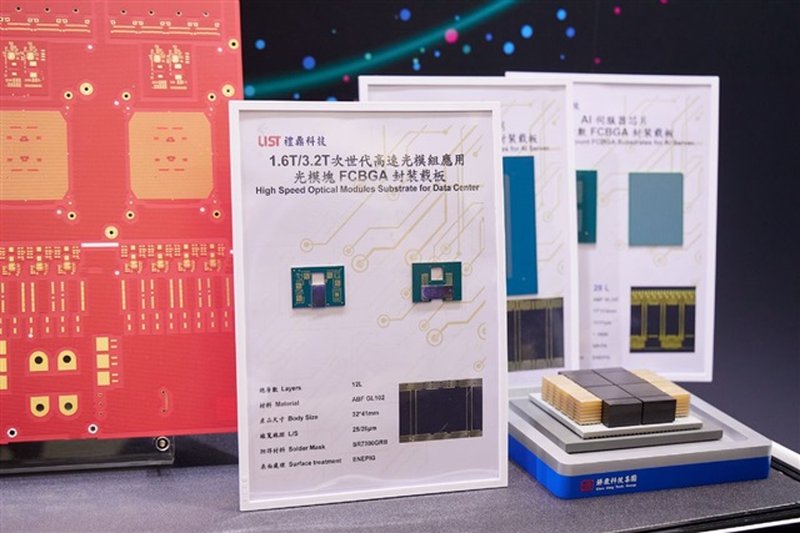
ABF substrates are advanced packaging materials, fundamental for the production of high-performance integrated circuits, particularly for GPUs and AI accelerators. These substrates enable denser and more complex interconnections, essential for managing the high transistor counts and data transfer speeds required by modern chips. Without quality ABF substrates, it would be extremely difficult to achieve the performance and memory density (VRAM) needed for latest-generation GPUs, such as those used in AI servers.
Their importance is amplified by the need to integrate large amounts of VRAM and support high computing power in a reduced footprint. This is particularly true for the advanced chip architectures powering AI servers, where every square millimeter and every nanosecond counts. The availability and cost of these substrates are therefore decisive factors for AI hardware production, directly influencing the market's ability to meet growing demand.
Implications for On-Premise Deployment and TCO
The increase in ABF substrate prices has direct implications for companies evaluating or already implementing on-premise AI solutions. The initial investment (CapEx) for purchasing AI servers, GPUs, and other hardware infrastructure represents a significant component of the Total Cost of Ownership (TCO). An increase in the cost of basic components translates into higher CapEx, which must be carefully considered in economic feasibility analyses.
For organizations prioritizing data sovereignty, regulatory compliance, or the need for air-gapped environments, self-hosted deployment remains a strategic choice. However, price fluctuations in the hardware supply chain add another layer of complexity to planning. While cloud solutions offer a more flexible OpEx model, on-premise architectures promise greater control and, potentially, lower long-term TCO, provided initial and maintenance costs are manageable. AI-RADAR offers analytical frameworks on /llm-onpremise to evaluate these trade-offs.
Future Outlook and Strategic Decisions
The pricing dynamics of ABF substrates are an indicator of the tension running through the entire AI supply chain. Purchasing and deployment decisions for AI infrastructure require a strategic vision that considers not only performance and technical specifications (such as VRAM, throughput, or latency) but also the stability of component costs. CTOs, DevOps leads, and infrastructure architects must balance the need for computing power with budget management and supply chain resilience.
In a rapidly evolving market where demand for AI computing capacity continues to grow, the ability to anticipate and mitigate risks related to the availability and cost of hardware components will become a crucial competitive factor. Companies will need to explore various options, from diversifying suppliers to evaluating alternative hardware architectures, to ensure the continuity and efficiency of their AI projects.







💬 Comments (0)
🔒 Log in or register to comment on articles.
No comments yet. Be the first to comment!