Un Nuovo Polo per l'Intelligenza Artificiale in Cina
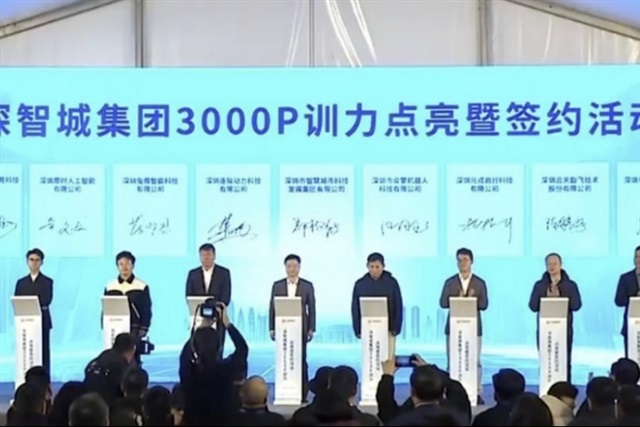
La città di Shenzhen, hub tecnicico di primaria importanza in Cina, ha recentemente annunciato un'iniziativa significativa nel panorama dell'intelligenza artificiale: il lancio del primo cluster AI 'full-stack' e interamente domestico del paese. Con una capacità di calcolo dichiarata di 14.000 PetaFLOPS, questa infrastruttura rappresenta un passo strategico verso l'autonomia tecnicica e la gestione locale dei carichi di lavoro AI.
Questo deployment su larga scala si distingue per la sua natura 'full-stack', indicando un'integrazione completa che spazia dall'hardware sottostante ai framework software, fino ai modelli di intelligenza artificiale stessi. L'enfasi sul carattere 'domestico' sottolinea l'utilizzo di tecnicie e componenti sviluppati all'interno del paese, un aspetto cruciale per le strategie di sovranità digitale e controllo tecnicico.
Implicazioni Tecniche di un Cluster da 14.000 PetaFLOPS
Un cluster AI con una capacità di 14.000 PetaFLOPS è progettato per gestire carichi di lavoro estremamente intensivi, tipici dell'addestramento (training) e dell'inference (inference) di Large Language Models (LLM) e altri modelli di AI complessi. Per raggiungere tale potenza, l'infrastruttura richiede un'architettura hardware robusta, che include migliaia di unità di elaborazione grafica (GPU) ad alte prestazioni, ciascuna dotata di elevati quantitativi di VRAM e ampiezza di banda di memoria.
La progettazione di un sistema 'full-stack' implica la selezione e l'ottimizzazione di ogni componente: dal silicio dei chip alle interconnessioni ad alta velocità (come NVLink o InfiniBand), dai sistemi di storage distribuiti e a bassa latenza ai framework software per l'orchestrazione e la gestione dei carichi di lavoro. Questo approccio consente un controllo granulare sulle prestazioni, sul throughput e sulla latenza, fattori critici per applicazioni AI che richiedono risposte rapide e capacità di elaborazione massiva.
Sovranità dei Dati e Vantaggi dei Deployment On-Premise
La scelta di realizzare un cluster AI 'full-stack' e domestico a Shenzhen riflette una chiara priorità per la sovranità dei dati e il controllo diretto sull'infrastruttura. Per le organizzazioni e i governi, mantenere i dati e i modelli AI all'interno dei propri confini fisici e sotto la propria giurisdizione è fondamentale per la compliance normativa, la sicurezza e la protezione della proprietà intellettuale. Questo approccio è particolarmente rilevante per gli ambienti air-gapped o per settori con stringenti requisiti di riservatezza.
Dal punto di vista del Total Cost of Ownership (TCO), un deployment on-premise di questa portata comporta un investimento iniziale (CapEx) significativo. Tuttavia, può offrire vantaggi a lungo termine in termini di costi operativi (OpEx) rispetto ai servizi cloud, specialmente per carichi di lavoro AI costanti e prevedibili. La possibilità di ottimizzare l'hardware e il software per specifiche esigenze, senza dipendere da fornitori esterni, può tradursi in maggiore efficienza e flessibilità operativa. Per chi valuta deployment on-premise, AI-RADAR offre framework analitici su /llm-onpremise per valutare i trade-off tra costi, prestazioni e controllo.
Prospettive Future per l'Framework AI
L'iniziativa di Shenzhen si inserisce in un trend globale che vede nazioni e grandi imprese investire in infrastrutture AI proprietarie per ridurre la dipendenza da fornitori esterni e rafforzare la propria posizione strategica. Questo modello di sviluppo 'full-stack' e domestico potrebbe fungere da riferimento per altre regioni che mirano a costruire capacità AI resilienti e controllate localmente.
La creazione di un cluster di tale portata evidenzia anche le sfide e le opportunità legate alla gestione di ambienti bare metal complessi, dalla manutenzione hardware all'aggiornamento dei framework software. Per CTO, DevOps lead e architetti di infrastruttura, comprendere i vincoli e i trade-off di queste soluzioni è essenziale per prendere decisioni informate sui deployment AI, bilanciando performance, sicurezza e sostenibilità economica nel lungo periodo.







💬 Commenti (0)
🔒 Accedi o registrati per commentare gli articoli.
Nessun commento ancora. Sii il primo a commentare!