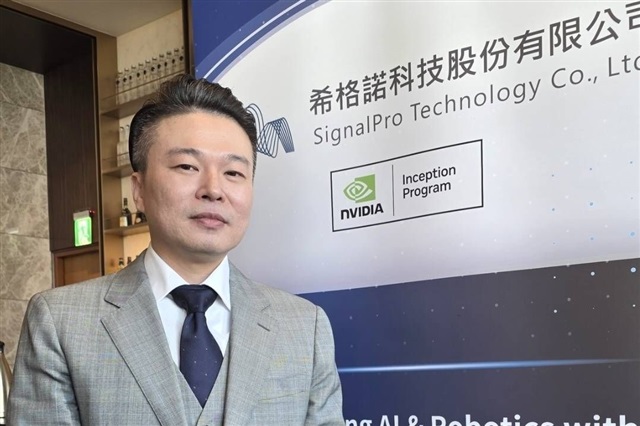
SignalPro si posiziona nell'AI sensing con un data center proprietario per i modelli
SignalPro sta compiendo un passo significativo nel settore dell'AI sensing, un ambito in rapida evoluzione che richiede capacità di elaborazione avanzate e infrastrutture robuste. L'azienda si propone come un "traduttore" in questo contesto, suggerendo un ruolo di facilitatore o intermediario tra le complesse tecnicie AI e le loro applicazioni pratiche. Questa strategia è supportata da un investimento infrastrutturale cruciale: la costruzione di un proprio data center dedicato all'intelligenza artificiale.
La decisione di SignalPro di sviluppare un'infrastruttura proprietaria evidenzia una tendenza crescente tra le aziende che mirano a ottenere un controllo granulare sui propri carichi di lavoro AI. Invece di affidarsi esclusivamente a servizi cloud esterni, l'approccio self-hosted permette di gestire direttamente aspetti critici come la sovranità dei dati, la sicurezza e l'ottimizzazione delle performance. Questo posizionamento strategico è particolarmente rilevante per settori dove la riservatezza delle informazioni e la latenza sono fattori determinanti.
Il Data Center come "Raffineria di Modelli"
Il data center di SignalPro è stato esplicitamente descritto come una "raffineria di modelli". Questa metafora suggerisce un ambiente dove i Large Language Models (LLM) e altri modelli di intelligenza artificiale vengono non solo ospitati, ma anche attivamente sviluppati, ottimizzati e messi a punto. Una "raffineria" implica processi di training, fine-tuning, validazione e deployment continuo, richiedendo risorse di calcolo intensive.
Per supportare tali operazioni, un'infrastruttura di questo tipo necessita di hardware specializzato, in particolare GPU ad alte prestazioni con ampie quantità di VRAM e capacità di interconnessione ad alta velocità. La gestione efficiente di questi componenti è fondamentale per garantire throughput elevati e latenze ridotte, essenziali per l'inference in tempo reale e per cicli di sviluppo rapidi. La capacità di gestire internamente l'intera pipeline di vita del modello offre a SignalPro un vantaggio competitivo in termini di agilità e personalizzazione.
Implicazioni per il Deployment On-Premise e la Sovranità dei Dati
La scelta di SignalPro di costruire un proprio data center per l'AI riflette una valutazione attenta dei trade-off tra soluzioni cloud e deployment on-premise. Sebbene il cloud offra scalabilità e flessibilità immediate, un'infrastruttura self-hosted può presentare vantaggi significativi in termini di Total Cost of Ownership (TCO) a lungo termine, specialmente per carichi di lavoro AI prevedibili e ad alta intensità. Il controllo diretto sull'hardware e sul software consente inoltre un'ottimizzazione più profonda per specifiche esigenze applicative.
Un aspetto cruciale per molte aziende, in particolare quelle che operano in settori regolamentati, è la sovranità dei dati. Mantenere i dati e i modelli all'interno di un ambiente controllato e air-gapped può essere un requisito indispensabile per la compliance e la sicurezza. Per CTO, DevOps lead e architetti di infrastruttura che valutano queste alternative, AI-RADAR offre framework analitici su /llm-onpremise per confrontare i vincoli e i benefici dei diversi approcci di deployment, senza raccomandare una soluzione specifica ma evidenziando i trade-off.
Prospettive Future e Sfide Tecnologiche
L'investimento di SignalPro in un data center proprietario per l'AI sensing è indicativo di una tendenza più ampia nel settore tecnicico. Sempre più aziende stanno riconoscendo il valore strategico di possedere e gestire le proprie risorse di calcolo AI, non solo per ragioni economiche o di sicurezza, ma anche per favorire l'innovazione interna e la differenziazione del prodotto. Questo approccio consente di sperimentare con architetture hardware e software all'avanguardia, spingendo i limiti delle capacità attuali.
Tuttavia, la costruzione e la gestione di un data center AI comportano sfide considerevoli. Queste includono l'approvvigionamento di hardware di punta, la gestione dell'energia e del raffreddamento per sistemi ad alta densità, e la necessità di personale altamente specializzato per l'operatività e la manutenzione. La capacità di SignalPro di superare queste sfide determinerà il successo della sua "raffineria di modelli" e la sua posizione nel competitivo panorama dell'AI sensing.


💬 Commenti (0)
🔒 Accedi o registrati per commentare gli articoli.
Nessun commento ancora. Sii il primo a commentare!