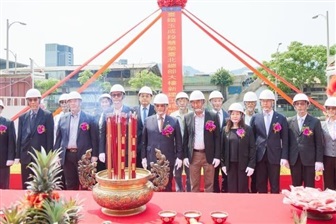
Silicio Motion avvia i lavori per il nuovo quartier generale di Taipei
Silicio Motion, azienda leader nella fornitura di controller NAND flash, ha annunciato l'avvio dei lavori per la costruzione del suo nuovo quartier generale a Taipei. Il progetto prevede l'apertura della struttura entro il 2030, segnando un passo significativo nella strategia di espansione e consolidamento delle operazioni globali dell'azienda. Questo investimento sottolinea l'impegno di Silicio Motion nel rafforzare la propria infrastruttura e capacità produttiva in un mercato tecnicico in rapida evoluzione.
Il nuovo quartier generale è concepito per diventare il fulcro di una strategia operativa basata su due siti. Tale approccio mira a migliorare la resilienza complessiva delle operazioni aziendali, garantendo una maggiore stabilità nella catena di fornitura e una capacità di risposta più efficace alle dinamiche del mercato. Per le aziende che dipendono da componenti hardware critici, come i controller NAND, la stabilità operativa dei fornitori è un fattore determinante nella pianificazione dei loro deployment tecnicici.
Il Ruolo Strategico dei Controller NAND nell'Era dell'AI
I controller NAND flash, prodotti da aziende come Silicio Motion, sono componenti fondamentali per le unità a stato solido (SSD) e altre soluzioni di storage basate su memoria flash. Nel contesto attuale, caratterizzato dalla crescente adozione di Large Language Models (LLM) e carichi di lavoro di intelligenza artificiale, l'importanza di uno storage performante e affidabile è più critica che mai. I dataset per il training degli LLM possono raggiungere dimensioni di petabyte, richiedendo soluzioni di storage con elevato throughput e bassa latenza per ottimizzare i tempi di addestramento.
Per i deployment on-premise di LLM, la scelta dello storage incide direttamente sul Total Cost of Ownership (TCO) e sulle performance complessive. La necessità di gestire grandi volumi di dati in modo efficiente, garantendo al contempo la sovranità dei dati e la conformità normativa, rende le soluzioni di storage basate su NAND flash un pilastro dell'infrastruttura AI. Un fornitore robusto e affidabile di controller è quindi essenziale per assicurare la disponibilità di componenti di qualità per queste infrastrutture critiche.
Operazioni Dual-Site: Resilienza e Supply Chain
La decisione di Silicio Motion di adottare una strategia di operazioni dual-site riflette una tendenza più ampia nel settore tecnicico, volta a mitigare i rischi associati a interruzioni della supply chain o a eventi imprevisti. Distribuire le operazioni su più siti geografici può offrire maggiore flessibilità e continuità, elementi cruciali per i clienti che costruiscono infrastrutture complesse e mission-critical. Questo approccio è particolarmente rilevante per le aziende che scelgono deployment self-hosted, dove la dipendenza da una supply chain stabile per l'hardware è diretta e significativa.
La resilienza della supply chain è un fattore chiave per i CTO e gli architetti di infrastruttura che valutano soluzioni AI on-premise. La capacità di un fornitore di garantire consegne costanti e affidabili di componenti, anche in scenari di mercato volatili, si traduce in una maggiore prevedibilità per la pianificazione degli investimenti e per la scalabilità delle infrastrutture. L'investimento di Silicio Motion in un nuovo quartier generale e in una strategia dual-site può quindi essere interpretato come un rafforzamento della sua capacità di supportare queste esigenze a lungo termine.
Implicazioni per l'Framework AI e la Prospettiva AI-RADAR
L'espansione di un attore chiave come Silicio Motion, sebbene non direttamente legata a specifiche GPU o LLM, ha implicazioni significative per l'intero ecosistema dell'infrastruttura AI. La disponibilità di componenti di storage affidabili e performanti è un prerequisito per qualsiasi deployment di LLM, sia esso in cloud o on-premise. Per le organizzazioni che privilegiano il controllo, la sicurezza e la sovranità dei dati attraverso soluzioni self-hosted o air-gapped, la stabilità e l'innovazione dei fornitori di hardware di base sono fattori decisivi.
AI-RADAR si concentra sull'analisi dei trade-off e dei vincoli associati ai deployment di LLM on-premise, inclusa la valutazione dell'hardware sottostante. Investimenti come quello di Silicio Motion contribuiscono a creare un ambiente più robusto e prevedibile per i decision-maker che devono bilanciare performance, TCO e requisiti di compliance. Per chi valuta deployment on-premise, esistono framework analitici su /llm-onpremise che possono aiutare a comprendere meglio l'impatto di tali sviluppi sulla pianificazione strategica dell'infrastruttura AI.




💬 Commenti (0)
🔒 Accedi o registrati per commentare gli articoli.
Nessun commento ancora. Sii il primo a commentare!