
SK Hynix and the AI Memory Race
According to reports from the AFP news agency, SK Hynix, one of the world's leading memory chip manufacturers, is engaged in advanced discussions with Microsoft and Google. The subject of these talks is reportedly long-term supply agreements for AI-dedicated memory. This news underscores the growing strategic importance of high-performance memory in the AI landscape, particularly for training and inference of Large Language Models (LLMs) and other complex models.
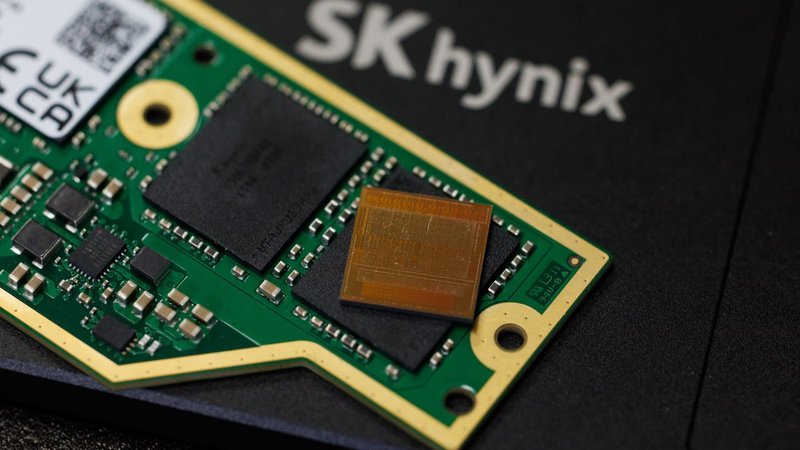
The demand for AI-specific hardware, especially High Bandwidth Memory (HBM), has accelerated significantly in recent years. Modern computing architectures, increasingly geared towards GPU acceleration, critically depend on the ability to move large volumes of data between memory and processing cores at maximum speed. Deals of this magnitude between memory suppliers and hyperscalers highlight a race to secure fundamental resources, with potential repercussions across the entire supply chain.
The Crucial Role of Memory in AI
Memory is a fundamental component for the efficiency and performance of AI systems. Large Language Models, for example, require vast amounts of VRAM to load model parameters and manage extended context windows. In both training and inference phases, memory speed and capacity directly determine system throughput and latency. For on-premise deployments, the choice of GPUs and their VRAM allocation are primary architectural decisions that influence TCO and scalability.
HBM memories, with their stacked architecture and superior bandwidth compared to traditional GDDR, have become the de facto standard for high-end AI accelerators. Their availability and cost are critical factors for anyone designing AI infrastructures, whether in the cloud or in self-hosted environments. Scarcity of these components can slow innovation and limit options for companies seeking to maintain control over their data and workloads.
Market and Supply Chain Implications
The reported talks between SK Hynix, Microsoft, and Google reflect a broader trend in the technology sector: the verticalization and securitization of supply chains for critical components. Securing long-term supplies of AI memory means guaranteeing the ability to scale cloud infrastructures and offer competitive AI services. This type of agreement can directly impact the availability of HBM for other market players, including hardware vendors serving the on-premise segment.
For companies evaluating on-premise deployment strategies, supply chain stability and predictable hardware component costs are crucial aspects. Fluctuations in HBM memory availability or high prices can significantly impact the Total Cost of Ownership (TCO) of a self-hosted AI infrastructure. The ability to negotiate direct agreements with chip manufacturers, as cloud giants are doing, gives them a strategic advantage that can be difficult for smaller entities or those operating on a smaller scale to replicate.
Future Prospects and Data Sovereignty
These strategic moves in the AI memory market highlight the increasing importance of underlying infrastructure for the development and adoption of artificial intelligence. While large cloud providers seek to consolidate their position through supply agreements, the need for on-premise and air-gapped solutions for data sovereignty and regulatory compliance reasons remains a priority for many organizations. The availability of high-performance hardware and supply chain stability are therefore enabling factors for these strategies.
AI-RADAR focuses precisely on these dynamics, offering analysis and frameworks to evaluate the trade-offs between cloud and on-premise deployments. The ability to access sufficient AI memory at reasonable costs is a fundamental constraint for anyone looking to build their own local AI infrastructure. The decisions made today by key players in the memory market will have a lasting impact on companies' ability to innovate and maintain control over their digital assets.






💬 Comments (0)
🔒 Log in or register to comment on articles.
No comments yet. Be the first to comment!