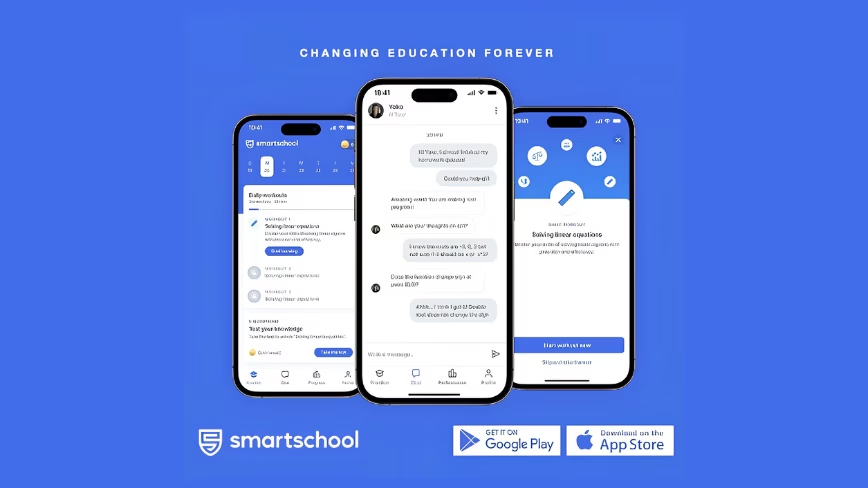
L’intelligenza artificiale sa scandagliare il web in cerca di informazioni. Ma insegnare a uno studente, guidarlo nella preparazione di un esame ad alto rischio come il SAT o l’ACT, è un compito di tutt’altro ordine. Lo sa bene Smartschool, che ha deciso di affrontare la complessità della didattica potenziata dall’AI con un approccio specifico, lontano dalle scorciatoie dei chatbot generici.
La differenza non è di poco conto. Un LLM generico può produrre risposte plausibili, ma non necessariamente allineate ai programmi di studio, alle competenze richieste o al livello di difficoltà previsto dall’esame. Il rischio di allucinazioni diventa particolarmente grave quando ogni nozione fuori posto rischia di compromettere mesi di preparazione. Servono modelli capaci di attingere a basi di conoscenza curate, di adattare il tono e la progressione didattica, e di riconoscere le lacune dello studente senza mai scivolare nella semplificazione fuorviante.
Per un’azienda come Smartschool la sfida non è soltanto tecnica: i dati degli studenti sono sensibili e le istituzioni scolastiche, così come le famiglie, cercano soluzioni che garantiscano riservatezza e controllo. In quest’ottica i modelli self-hosted, eseguiti su infrastruttura on-premise o in cloud privato, diventano un’opzione strategica. AI‑RADAR ha più volte analizzato i trade-off di questo tipo di deployment: mantenere il controllo sui dati riduce la dipendenza da API di terze parti e, nel lungo periodo, può abbassare il TCO per carichi di inference intensivi, a patto di poter contare su hardware adeguato e pipeline di training ottimizzate.
Il fine-tuning su dataset proprietari — magari raccolti da anni di test ufficiali e materiali didattici — è quasi obbligatorio per ottenere la precisione richiesta. Ma non basta: occorre un framework di validazione continuo che verifichi l’aderenza delle risposte ai criteri di valutazione reali, un passaggio tanto oneroso quanto indispensabile quando in gioco ci sono borse di studio o l’accesso a prestigiose università.
La strada intrapresa da Smartschool è indicativa di una tendenza più ampia: l’AI per l’educazione non funziona se applicata come semplice strato conversazionale sopra un LLM generalista. Servono architetture pensate per l’insegnamento, con vincoli di accuratezza, privacy e costo che spingono verso deployment controllati. Una lezione che potrebbe valere ben oltre i test d’ammissione.






💬 Commenti (0)
🔒 Accedi o registrati per commentare gli articoli.
Nessun commento ancora. Sii il primo a commentare!