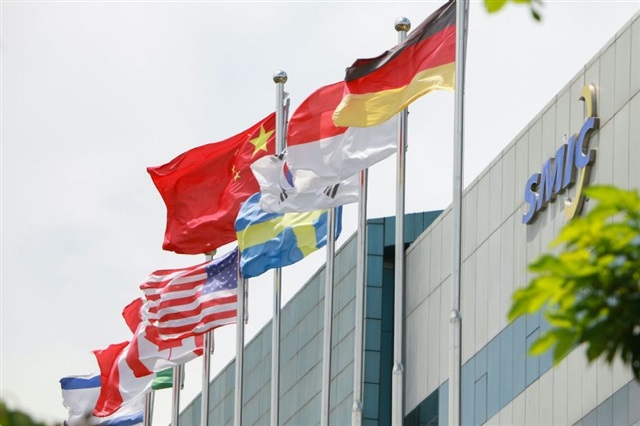
The Drive for Autonomy in the Semiconductor Supply Chain
In an increasingly complex geopolitical landscape, China is intensifying its efforts to bolster technological autonomy, particularly in the strategic semiconductor sector. A significant step in this direction is the announced collaboration between SMIC (Semiconductor Manufacturing International Corporation) and Hua Hong Semiconductor, two of the country's leading chip manufacturers. The two companies have formed a joint platform dedicated to materials procurement, an initiative aimed at reducing the Chinese supply chain's reliance on foreign suppliers, especially those from the United States.
This move reflects Beijing's broader strategy to build a resilient and self-sufficient chip supply chain. For companies operating in the tech sector, and particularly for those evaluating on-premise deployments of Large Language Models (LLMs), the stability and diversification of the semiconductor supply chain are critical factors. The availability of hardware, from GPUs to networking components, is essential for ensuring operational continuity and scalability of local AI infrastructures.
Details and Implications of the New Platform
The joint procurement platform between SMIC and Hua Hong will focus on essential materials for semiconductor manufacturing. This includes a wide range of elements, from silicon wafers to specialized chemicals, industrial gases, and production equipment. The objective is to consolidate domestic demand, stimulate the development of local suppliers, and ensure a steady flow of critical resources, thereby mitigating risks associated with global supply chain disruptions or trade restrictions.
This initiative is not merely a matter of logistical efficiency; it is a strategic declaration. By creating a more robust and localized procurement ecosystem, China aims to shield its technology industry from potential external vulnerabilities. For global IT decision-makers, this signifies a potentially more fragmented yet diversified hardware supply landscape, where geopolitical dynamics play an increasingly significant role in the availability and Total Cost of Ownership (TCO) of infrastructure solutions.
Impact on Data Sovereignty and On-Premise Deployments
The pursuit of autonomy in the chip supply chain has direct implications for data sovereignty and deployment decisions. For organizations opting for self-hosted or air-gapped solutions for their AI workloads, the origin and stability of hardware supply are crucial aspects. A domestic, nationally controlled supply chain can offer greater assurances in terms of security, compliance, and data control—fundamental considerations for sectors such as finance, healthcare, or public administration.
The ability to access internally produced hardware components can influence the TCO of on-premise deployments. While the initial phase may require significant investments in research and development, a consolidated supply chain can lead to more predictable costs and greater long-term resilience. For those evaluating on-premise LLM deployments, AI-RADAR provides analytical frameworks on /llm-onpremise to assess trade-offs between costs, performance, and sovereignty requirements, also considering the impact of supply chain dynamics.
Future Outlook and Global Challenges
The SMIC and Hua Hong initiative is part of a global trend where various nations and economic blocs are investing heavily to strengthen their semiconductor manufacturing capabilities. The goal is twofold: to ensure economic and technological security, and to stimulate internal innovation. However, building a completely autonomous supply chain is a complex undertaking that requires substantial investments in research and development, infrastructure, and human capital.
Challenges include the need to develop cutting-edge technologies for advanced chip production and to compete in a highly competitive global market. Despite the difficulties, the move by SMIC and Hua Hong highlights a clear strategic direction. This scenario compels CTOs and infrastructure architects to carefully consider the origins and resilience of their hardware supply chain, especially when planning long-term investments in critical AI infrastructures.








💬 Comments (0)
🔒 Log in or register to comment on articles.
No comments yet. Be the first to comment!