
SMIC and the Redefinition of Strategy in the Semiconductor Market
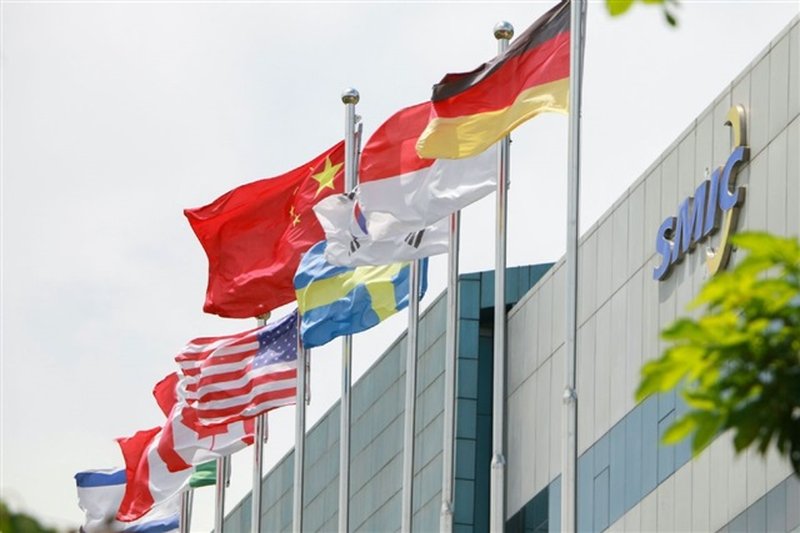
SMIC (Semiconductor Manufacturing International Corporation), one of China's leading foundries, is adopting a new strategic direction to expand its growth. The company aims to explore opportunities beyond the current intense demand for artificial intelligence chips, which has generated a significant supply squeeze globally. This decision reflects an awareness of market dynamics and the challenges associated with producing cutting-edge semiconductors, often dominated by a few key players.
SMIC's move suggests a diversification of production efforts, potentially towards less saturated market segments or those with different technological requirements than Large Language Models (LLMs) and the most demanding training workloads. For decision-makers evaluating AI infrastructure, understanding these foundry dynamics is crucial, as silicio availability is the foundation of any deployment strategy, whether on-premise, hybrid, or edge.
Beyond the LLM Race: New Opportunities for Silicio
The 'AI-led supply squeeze' primarily refers to the enormous demand for advanced GPUs and specific accelerators for large-scale LLM inference and training. These components require state-of-the-art manufacturing processes and are often subject to long lead times and high costs. SMIC's strategy to look 'beyond' could mean a focus on less advanced process nodes, which are nonetheless vital for a wide range of AI applications.
For example, edge AI, smart Internet of Things (IoT), automotive, and industrial control systems require chips with different specifications, often less demanding in terms of extreme lithography, but crucial for deploying smaller models or localized inference. These markets represent significant volume and potential stability, offering SMIC the opportunity to consolidate its position without directly competing with market leaders in the most advanced nodes. This diversification could, in turn, influence the availability of hardware for self-hosted AI solutions that do not necessarily require the most expensive and highest-performing GPUs.
Implications for On-Premise Deployments and TCO
For CTOs, DevOps leads, and infrastructure architects considering on-premise deployments for their AI workloads, the strategic decisions of foundries like SMIC have a direct impact. Silicio availability is a determining factor for the Total Cost of Ownership (TCO) of a self-hosted infrastructure. If a foundry shifts its focus, it could alter the balance between supply and demand for specific types of chips, influencing prices and delivery times.
SMIC's increased focus on segments other than high-end AI could potentially stabilize or increase the availability of chips for less intensive, yet strategically important, AI applications for data sovereignty and compliance. This could make self-hosted solutions for local inference or smaller models more accessible, reducing reliance on cloud providers who often monopolize high-end GPU supplies. For those evaluating on-premise deployments, it is essential to analyze these trade-offs and consider how supply chain dynamics affect the feasibility and scalability of their solutions.
Future Prospects and Supply Chain Resilience
SMIC's strategy highlights the complexity and interconnectedness of the global semiconductor market. The decisions of a single foundry can have cascading effects throughout the entire supply chain, influencing companies' ability to acquire the necessary hardware for their AI strategies. For organizations prioritizing control, security, and data sovereignty through air-gapped or self-hosted environments, supply chain resilience becomes a critical factor.
Understanding where and how chips are produced, and which market segments are prioritized by manufacturers, is essential for long-term planning. SMIC's diversification could contribute to greater stability in some sectors, while the race for cutting-edge LLM chips will continue to present challenges. This scenario underscores the importance of a flexible and informed hardware procurement strategy to ensure that AI infrastructures can evolve sustainably and in compliance with business needs.








💬 Comments (0)
🔒 Log in or register to comment on articles.
No comments yet. Be the first to comment!