SpaceX Ventures into AI with Dedicated Chips and a Megafab
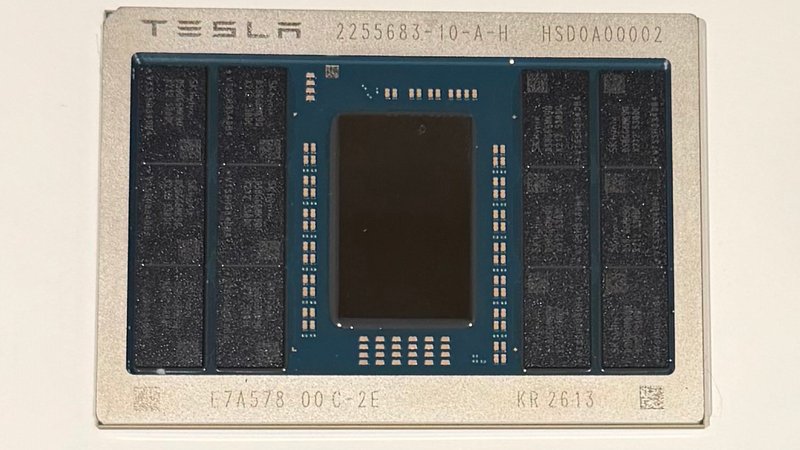
SpaceX, Elon Musk's aerospace company, renowned for its ambitious space endeavors, is now extending its reach into the artificial intelligence sector and semiconductor manufacturing. A recent IPO filing has unveiled details about the "Terafab" project, which involves the development of chips specifically optimized for space operations and the creation of an "AI megafab" dedicated to their production.
This strategic move underscores a growing trend among major technology companies to internalize the design and production of critical hardware. For SpaceX, the objective is likely to ensure unprecedented performance, reliability, and security for its AI systems, which are essential for complex missions and the management of satellite constellations like Starlink.
Technical Details and Implications for AI Hardware
"Space-optimized chips" suggest stringent technical requirements. The space environment imposes unique constraints, such as radiation hardening, extreme energy efficiency, and the ability to operate under extreme temperature conditions. These factors are crucial for the reliability of AI systems that will manage critical operations, from autonomous navigation to on-board data processing for satellites, where AI inference must occur with utmost precision and resilience.
The decision to build an "AI megafab" indicates a massive investment in manufacturing capability. This vertical integration approach aims to achieve complete control over the supply chain, from design to fabrication, reducing dependence on external suppliers and mitigating geopolitical or availability risks. For companies evaluating on-premise deployments of Large Language Models (LLM) or other AI workloads, SpaceX's example highlights the importance of granular control over underlying hardware, a key factor for data sovereignty and Total Cost of Ownership (TCO) optimization.
Market Context and Technological Sovereignty
The Terafab initiative fits into a broader context of increasing demand for specialized silicon for AI workloads. Many enterprises are exploring custom or self-hosted solutions to manage their LLMs and other AI workloads, pushing towards architectures that offer greater control and security compared to generic cloud options. The ability to design and produce chips internally can offer a significant competitive advantage in terms of performance, security, and customization.
SpaceX's construction of a megafab reflects a long-term strategy to secure cutting-edge AI computing capabilities, essential for maintaining a competitive edge in critical sectors. This approach is particularly relevant for contexts requiring air-gapped environments or high compliance standards, where hardware provenance and specifications are paramount to ensuring data security and sovereignty.
Future Outlook for AI Infrastructure
SpaceX's Terafab project represents a significant evolution in the AI hardware landscape. While specific details about the chips and the megafab's capabilities remain limited, the announcement underscores the increasing importance of designing and producing dedicated silicon for specialized applications. This trend could lead to greater diversification in the AI chip market, with solutions increasingly tailored to specific sectors and operational requirements.
For technical decision-makers considering AI solution deployments, SpaceX's example highlights the potential need to evaluate not only software but also the entire hardware stack, especially for critical workloads or those with stringent data sovereignty requirements. AI-RADAR offers analytical frameworks on /llm-onpremise to support the evaluation of trade-offs between self-hosted and cloud solutions, considering factors like TCO, infrastructure customization, and operational resilience.





💬 Comments (0)
🔒 Log in or register to comment on articles.
No comments yet. Be the first to comment!