SpaceX and AI: Elon Musk's $4 Billion Gamble
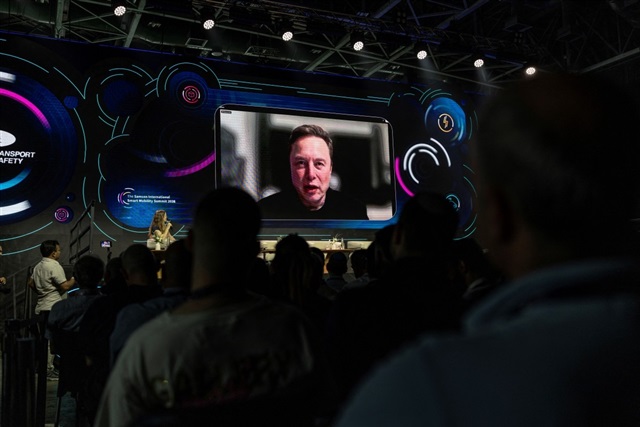
SpaceX's impending Initial Public Offering (IPO) has brought to light a crucial aspect of the company's future strategies: a massive $4 billion investment in artificial intelligence. This move, attributed to Elon Musk, underscores the growing centrality of AI not only in the technology sector but also in areas traditionally linked to aerospace and satellite communications. The magnitude of this financial "gamble" highlights a clear strategic direction towards the deep integration of AI into SpaceX's operations and services.
An AI investment of this scale by a company like SpaceX is not just a matter of capital; it reflects the need for significant computational and infrastructural resources. The development and deployment of Large Language Models (LLM) or other artificial intelligence systems require specialized hardware, such as high-performance GPUs with ample VRAM, and a robust data pipeline. Companies venturing into this field must carefully assess the requirements for training complex models and for large-scale inference, considering factors like throughput, latency, and the ability to handle large volumes of tokens.
Implications for AI Infrastructure and TCO
An investment of this magnitude in AI raises fundamental questions about infrastructure choices. Organizations operating with sensitive or mission-critical data, such as those in the aerospace sector, often favor self-hosted or air-gapped deployment solutions. This approach ensures total control over data sovereignty and regulatory compliance, crucial aspects for mitigating security or regulatory risks. The decision between a cloud and an on-premise infrastructure is not trivial and involves an in-depth analysis of the Total Cost of Ownership (TCO), which includes not only initial CapEx costs for hardware but also operational expenses (OpEx) for power, cooling, and maintenance.
For those evaluating on-premise deployment, significant trade-offs exist. While on-premise offers greater control and potentially a lower long-term TCO for stable, predictable workloads, it also requires specialized in-house expertise for hardware and software management and optimization. Choosing an efficient deployment framework, managing model Quantization to optimize VRAM usage, and configuring bare metal clusters are just some of the technical aspects that DevOps teams and infrastructure architects must consider.
Data Sovereignty and Strategic Control
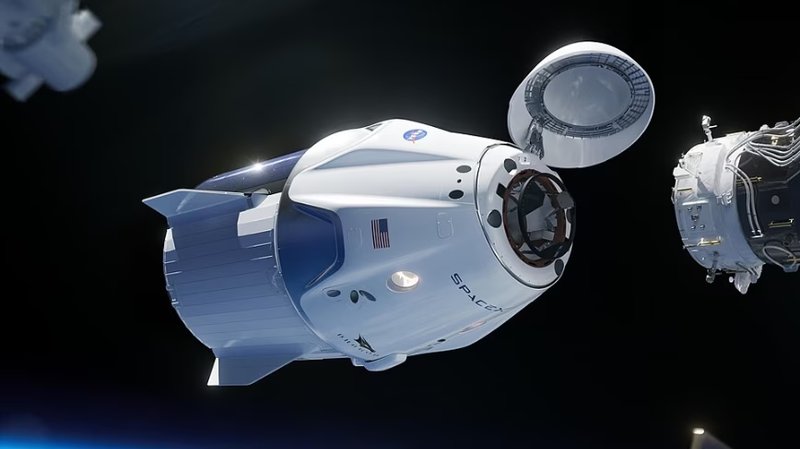
The nature of SpaceX's operations, ranging from satellite connectivity (Starlink) to space travel, involves managing vast amounts of data, much of which could be sensitive or strategic. In this context, data sovereignty becomes an absolute priority. Adopting AI solutions that allow data to remain within proprietary infrastructural boundaries, perhaps in air-gapped environments, is often preferred over relying on public cloud services, where control over data can be perceived as less direct.
This preference for local control aligns with the needs of many companies operating in regulated sectors or managing critical intellectual property. The ability to perform inference and fine-tuning of Large Language Models on proprietary infrastructure not only ensures security and compliance but also offers the flexibility to customize the AI environment according to specific needs, without depending on external providers.
Future Prospects and Elon Musk's Imprint
SpaceX's $4 billion investment in AI, under the leadership of Elon Musk, signals a clear intention to position itself at the forefront of this rapidly evolving sector. While specific details on how these funds will be utilized have not been made public, it is plausible that AI will play a key role in optimizing space operations, developing new capabilities for Starlink, or even in future, as-yet-unannounced projects.
This strategic move reflects a broader trend in the technological landscape, where AI is no longer just a complement but a fundamental pillar for innovation and competitiveness. For technical decision-makers, the SpaceX example highlights the importance of carefully evaluating the long-term implications of AI investments, balancing innovation with the needs for control, security, and economic sustainability through a thorough TCO analysis.






💬 Comments (0)
🔒 Log in or register to comment on articles.
No comments yet. Be the first to comment!