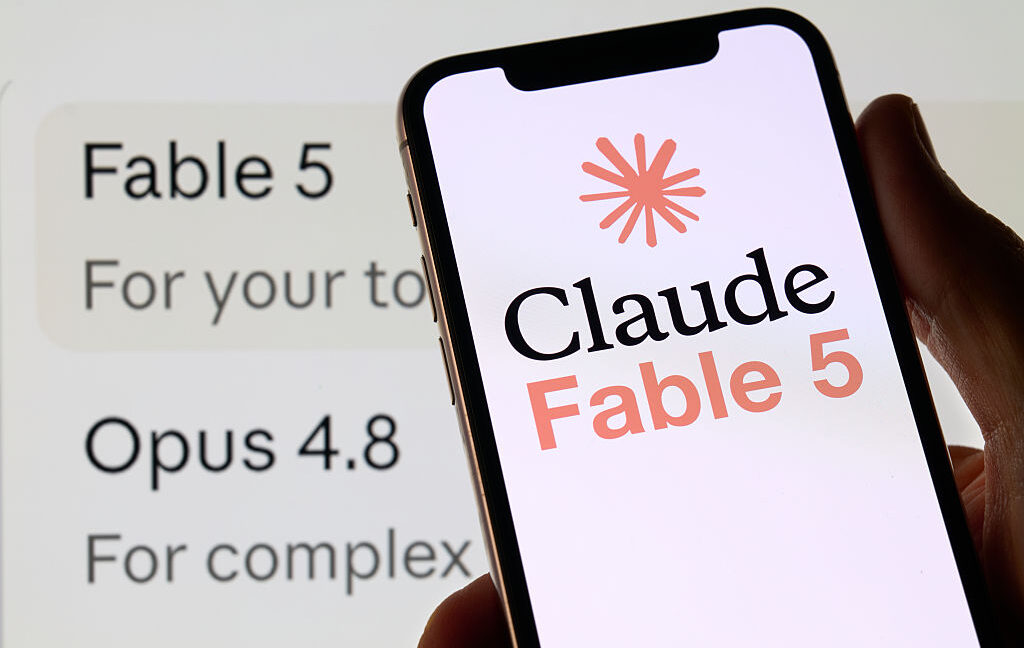
La Casa Bianca ha archiviato in meno di un mese l’allarme sicurezza sui modelli Claude più recenti di Anthropic. Il Segretario al Commercio Howard Lutnick ha comunicato all’azienda che non sarà più necessaria alcuna licenza per esportare o trasferire all’interno del Paese i sistemi Claude Fable e Claude Mythos. La decisione rimuove di colpo le barriere erette dopo che i modelli erano stati valutati come potenziale rischio per la sicurezza nazionale.
Cosa cambia per Fable 5 e Mythos 5
Fable 5, annunciato come evoluzione accessibile della famiglia Claude, sarà da oggi disponibile in tutti i mercati in cui Anthropic opera. Mythos 5, pensato per carichi di lavoro più sensibili in ambito enterprise e governativo, segue un percorso diverso: l’accesso per le organizzazioni statunitensi era già stato ripristinato il 26 giugno, ma ora Anthropic lavora con il governo per estenderlo a un "insieme più ampio di partner nazionali e internazionali" attraverso il programma Glasswing. Questo canale consente a ricercatori di cybersicurezza presso aziende fidate di utilizzare Mythos per finalità difensive, un ambito dove il modello mostra capacità specifiche di analisi delle minacce.
Controlli export e IA: una tensione che non si allenta
Il rapido dietrofront non cancella il segnale politico. L’amministrazione Trump aveva puntato i riflettori sulla pericolosità dei modelli più avanzati, innescando un dibattito che resta aperto. Le restrizioni all’esportazione di tecnicia sensibile sono uno strumento classico della politica industriale americana, ma applicarle a software – e in particolare a Large Language Models – introduce complessità inedite. A differenza dell’hardware, dove si può tracciare la consegna fisica di chip o server, un modello di AI può essere distribuito via API, scaricato come peso binario o integrato in servizi cloud senza passare dalla dogana.
Per chi gestisce infrastrutture on-premise la questione è duplice. Da un lato, l’incertezza normativa rende più difficile pianificare l’adozione di LLM esterni: il rischio di vedersi bloccare l’accesso a un modello su cui si è investito tempo e risorse di fine-tuning non è teorico. Dall’altro, la possibilità di eseguire modelli in locale – quando i pesi sono rilasciati – torna a essere un fattore di sovranità, perché consente di mantenere dati e inference dentro i propri confini fisici e giuridici, riducendo la dipendenza da servizi cloud soggetti a decisioni governative unilaterali.
Il nodo della fiducia e il ruolo di Glasswing
La lettera di Lutnick riconosce che Anthropic ha "adottato misure in stretto coordinamento con il governo degli Stati Uniti per affrontare i rischi" posti dai modelli. È un passaggio che segna un modello di collaborazione pubblico-privato destinato a ripetersi: le aziende rafforzano i test di sicurezza e i meccanismi di allineamento, in cambio di un via libera all’esportazione. Il programma Glasswing incarna questa logica: invece di chiudere del tutto l’accesso a Mythos, lo si riserva a un perimetro selezionato di utilizzatori con scopi difensivi.
Per le organizzazioni europee che lavorano con dati regolamentati (GDPR, requisiti di residenza) questo schema ha implicazioni concrete. Se l’accesso a un modello avanzato dipende dall’adesione a un club governativo statunitense, la scelta di portare l’inference on-premise – su hardware proprio o affittato – diventa uno strumento di autonomia, ma anche di compliance: evita di far transitare prompt e dati attraverso endpoint controllati da giurisdizioni extra-UE. In quest’ottica, il rilascio globale di Fable 5 rende disponibile un tassello in più per architetture ibride dove il self-hosting è affiancato da modelli as-a-service, mentre Mythos resta un asset a circolazione strettamente regolamentata.
Oltre il caso Anthropic
La vicenda mostra quanto il confine tra sicurezza nazionale e accesso all’IA sia poroso e soggetto a revisioni repentine. Chi progetta infrastrutture per Large Language Models on-premise – che si tratti di banche, pubblica amministrazione o manifattura critica – non può più ignorare la variabile geopolitica nella scelta dei modelli. Il fatto che oggi le restrizioni cadano non offre garanzie per il futuro, e anzi spinge a considerare architetture che rendano intercambiabile il motore di inference senza dover riscrivere pipeline e integrazioni. La strada intrapresa da Anthropic con il governo USA suggerisce che i modelli più capaci resteranno al centro di un negoziato costante tra innovazione e controllo.






💬 Commenti (0)
🔒 Accedi o registrati per commentare gli articoli.
Nessun commento ancora. Sii il primo a commentare!