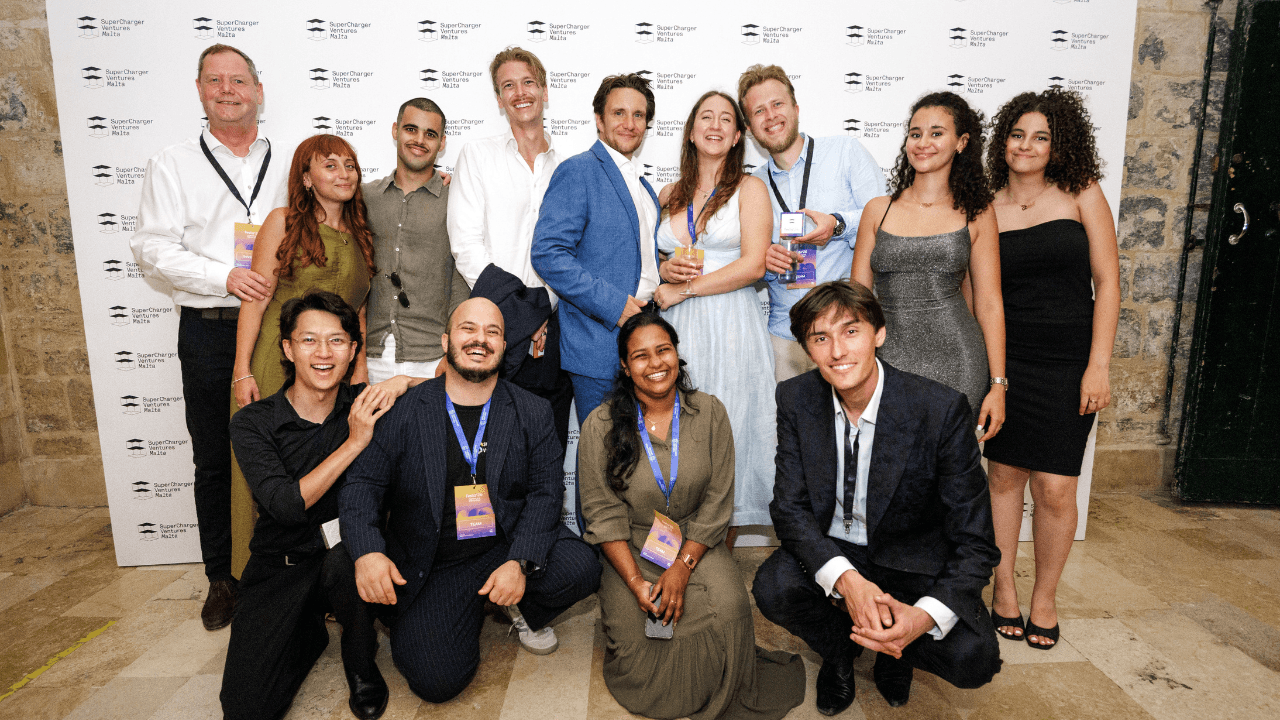
SuperCharger Ventures is no longer just an accelerator: it now adds a venture capital arm built on a proven screening engine. Fund I targets global pre-seed and seed edtech and future-of-work startups, with initial tickets of up to €250,000 and follow-on reserves ranging from €500,000 to €1.5 million. Family offices and high-net-worth individuals have already covered 90% of the first close, though the fund is still inviting institutional investors.
The structural twist is the tight coupling with the SuperCharger accelerator, whose application numbers—cited by co-founder and CEO Janos Barberis—have jumped from 100 to over 1,000 per cohort since 2021. Fund I invests only in the top 3–5 startups from each cohort after they complete the programme. This changes the incentive landscape: acceleration becomes a quality filter for the investment, giving founders a clearer post-programme fundraising path with an aligned investor and transparency for third parties who want to co-invest.
Malta as a European gateway
The Maltese hub offers more than a tax address: the fund points explicitly to non-dilutive funding opportunities provided by Malta Enterprise, which stack on top of the venture capital. For non-European startups—particularly those targeting Europe’s fragmented edtech market—Malta becomes a regulatory landing spot and a launchpad for expansion. SuperCharger is betting on repeatability: a small ecosystem with strong institutional ties and an already seasoned deal flow.
Who wins and what this structure signals
Fund I redraws the typical accelerator–investor blueprint. The accelerator, which previously offered mentorship, networks, and non-dilutive cash, can now deploy its own capital after watching teams in action. Founders get a financial commitment from an entity that already understands their trajectory, cutting the time wasted pitching cold investors. For outside co-investors, the fund provides a pre-made quality filter: they can see real execution data and product-market fit before committing. It’s no surprise the fund is courting institutional players—anyone seeking pre-seed exposure to edtech and future-of-work gains a curated deal-flow conduit.
The surge to over 1,000 applications per cohort signals pent-up demand for capital and regulated European market gateways. Restricting the initial investment to the programme’s top performers reduces adverse selection risk but concentrates resources on teams that have already shown they can navigate the local context. In edtech, where sales cycles are long and regulatory fragmentation is high, such a structure can make early-stage capital allocation more efficient and create an incentive for startups to bake compliance and localisation into their acceleration phase.
Fund I is more than a fundraising announcement: it is a signal that the boundary between accelerator and investment fund is getting blurrier. When the entity that selects and trains founders also becomes a direct investor, alignment tightens and the average quality of accelerated startups may rise—but dependence on a single gatekeeper’s judgment also increases. For Malta’s ecosystem, and for anyone eyeing Europe from the outside, the test will be whether the fund can attract meaningful institutional follow-ons and turn the accelerator lever into verifiable returns.








💬 Comments (0)
🔒 Log in or register to comment on articles.
No comments yet. Be the first to comment!