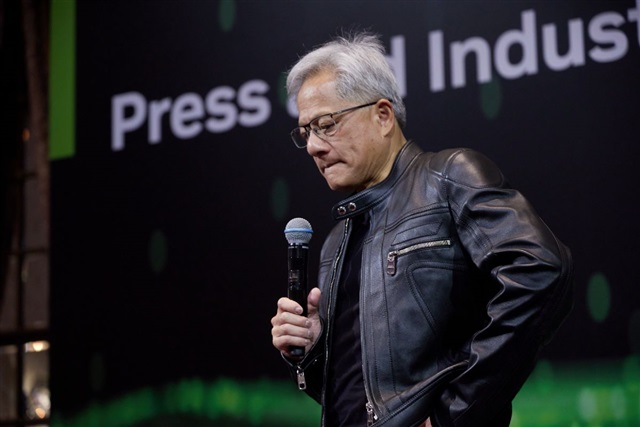
Nvidia Intensifies Supply Chain Audit Following Supermicro GPU Smuggling Allegations
The market for artificial intelligence hardware, particularly high-performance GPUs, is under constant pressure due to surging demand. In this scenario, news reported by DIGITIMES, indicating that Nvidia is intensifying its supply chain audit following alleged GPU smuggling cases involving Supermicro, takes on significant importance. The incident highlights the inherent complexities and vulnerabilities in the distribution of cutting-edge technological components.
GPUs are the beating heart of modern AI infrastructures, essential for the training and inference of Large Language Models (LLMs). Their scarcity or the difficulty in obtaining them through official channels can directly impact the timelines and costs of AI projects, especially for companies opting for self-hosted and on-premise solutions for reasons of data sovereignty or compliance.
The Challenges of the AI Sector's Supply Chain
Demand for high-end GPUs, such as Nvidia's A100 or H100 series, has far outstripped supply in recent years, creating a fertile environment for grey markets and unauthorized distribution practices. These alternative channels, while sometimes perceived as a solution to scarcity, introduce significant risks. Not only can they compromise warranty and technical support, but they can also expose companies to legal and compliance issues.
A thorough supply chain investigation by a dominant player like Nvidia reflects a desire to protect the integrity of its ecosystem and ensure that products reach end customers through legitimate channels. This is crucial for maintaining market trust and guaranteeing the quality and reliability of the hardware powering AI innovation.
Implications for On-Premise LLM Deployments
For companies investing in on-premise AI infrastructures, supply chain stability and transparency are critical factors. GPU availability is a key element in Total Cost of Ownership (TCO) planning and in defining deployment roadmaps. Disruptions or uncertainties in supply can delay projects, increase costs, and even compromise an organization's ability to maintain data sovereignty, a fundamental aspect for many regulated industries.
Choosing a self-hosted deployment for LLMs, while offering advantages in terms of control and security, requires careful management of all infrastructural aspects, including hardware provenance and certification. For those evaluating on-premise deployments, AI-RADAR offers analytical frameworks on /llm-onpremise to assess the trade-offs between costs, performance, and security requirements, underscoring the importance of a reliable supply chain.
Future Outlook and the Need for Transparency
The incident involving Supermicro and Nvidia's reaction highlight a broader trend in the technology sector: the increasing importance of resilience and transparency in global supply chains. As AI becomes increasingly central to business operations, the ability to acquire reliable and supported hardware will become a competitive differentiator.
Companies will need to continue exercising due diligence in selecting their suppliers and infrastructure partners. Ensuring an intact supply chain is not just a matter of compliance but a fundamental pillar for building robust, secure, and scalable AI infrastructures capable of supporting the future demands of complex model training and inference.





💬 Comments (0)
🔒 Log in or register to comment on articles.
No comments yet. Be the first to comment!