Supermicro: l'andamento dei margini e il ruolo dei grandi clienti
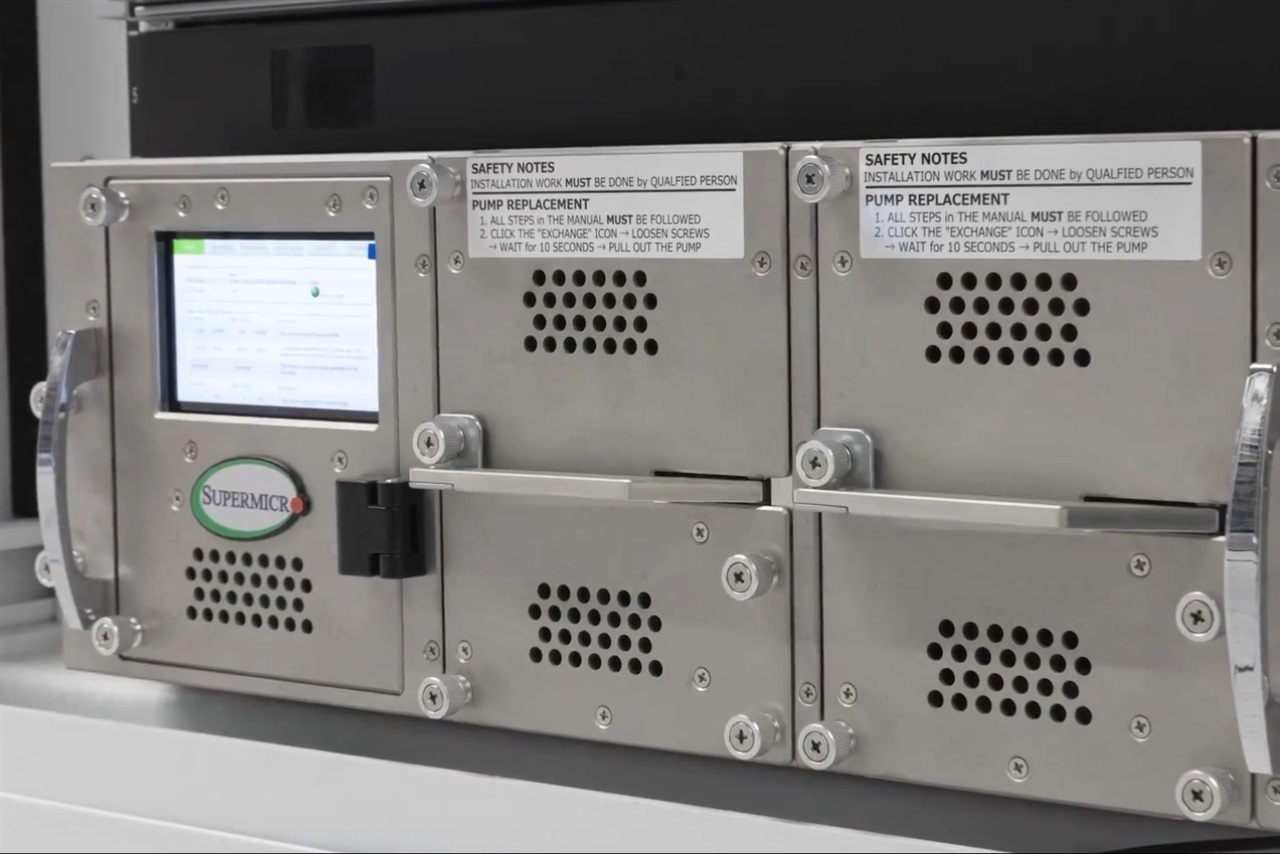
Supermicro, attore chiave nel panorama dell'hardware per data center e infrastrutture AI, ha recentemente registrato un recupero significativo dei propri margini operativi. Questo andamento, apparentemente positivo, si inserisce in un contesto di mercato dinamico, dove la domanda di server ad alte prestazioni per carichi di lavoro di intelligenza artificiale, in particolare per i Large Language Models (LLM), continua a crescere esponenzialmente. La capacità di un'azienda come Supermicro di mantenere e migliorare la propria redditività è un indicatore cruciale della sua salute finanziaria e della sua posizione competitiva.
Il recupero dei margini, tuttavia, non è stato privo di complessità. Secondo le analisi di mercato, tale ripresa è stata influenzata, in parte, dal ritiro di un cliente di grandi dimensioni. Questo dettaglio rivela la sensibilità del settore dell'hardware specializzato alle decisioni di acquisto dei maggiori operatori, siano essi hyperscaler, grandi imprese o centri di ricerca. La dipendenza da pochi, ma estremamente influenti, acquirenti può generare fluttuazioni significative nei ricavi e nella redditività, richiedendo ai fornitori una gestione strategica delle relazioni e della pipeline di vendita.
Dinamiche di mercato e impatto sui fornitori di infrastrutture
Il mercato dei server per l'AI è caratterizzato da una domanda elevatissima di componenti specifici, in primis GPU ad alte prestazioni con ampie capacità di VRAM, e da soluzioni di raffreddamento e alimentazione avanzate. Supermicro si è posizionata come fornitore di riferimento per sistemi ottimizzati per l'Inference e il training di LLM, offrendo configurazioni che vanno dai server rack standard a soluzioni più dense e modulari. In questo scenario, i margini di profitto riflettono non solo l'efficienza produttiva, ma anche la capacità di negoziazione con i fornitori di componenti e con i clienti finali.
Il ritiro di un cliente importante può avere un duplice effetto. Da un lato, può ridurre il volume complessivo delle consegne, ma dall'altro, se il cliente in questione aveva condizioni contrattuali particolarmente vantaggiose (e quindi margini inferiori per il fornitore), il suo allontanamento può paradossalmente migliorare la redditività media sulle vendite rimanenti. Questa dinamica evidenzia come la gestione del portafoglio clienti e la diversificazione siano elementi critici per la stabilità finanziaria in un settore ad alta intensità di capitale e tecnicia. Le decisioni di deployment di grandi entità, che spesso valutano tra soluzioni cloud e self-hosted, influenzano direttamente i bilanci di aziende come Supermicro.
Implicazioni per i deployment on-premise e la sovranità dei dati
Per le organizzazioni che valutano il deployment di LLM e altre applicazioni AI in ambienti on-premise o air-gapped, la stabilità e la prevedibilità dei fornitori di hardware sono fattori cruciali. La scelta di un'infrastruttura self-hosted implica un investimento iniziale (CapEx) significativo e una pianificazione a lungo termine che richiede affidabilità nella supply chain e nel supporto post-vendita. Le fluttuazioni nei margini o nelle strategie dei fornitori possono influenzare la disponibilità di componenti, i tempi di consegna e, in ultima analisi, il Total Cost of Ownership (TCO) complessivo di un progetto.
La sovranità dei dati e le esigenze di compliance, come il GDPR, spingono molte aziende a preferire soluzioni on-premise per mantenere il pieno controllo sui propri dati e modelli. In questo contesto, la capacità di un fornitore come Supermicro di offrire soluzioni robuste e scalabili, con un supporto costante, diventa un elemento distintivo. La dipendenza da un singolo cliente o la volatilità del mercato possono, tuttavia, introdurre rischi nella pianificazione strategica di chi cerca di costruire la propria infrastruttura AI locale. AI-RADAR offre framework analitici su /llm-onpremise per aiutare le aziende a valutare questi trade-off complessi, considerando aspetti come la performance, la sicurezza e il TCO.
Prospettive future e strategie di diversificazione
Il mercato dell'AI è in continua evoluzione, con requisiti hardware che cambiano rapidamente. L'innovazione nel silicio, l'aumento della VRAM e del throughput delle GPU, e lo sviluppo di nuove architetture di interconnessione sono solo alcuni degli aspetti che i fornitori come Supermicro devono affrontare. Per mitigare i rischi legati alla dipendenza da pochi grandi clienti, la diversificazione del portafoglio clienti e l'espansione in nuovi segmenti di mercato diventano strategie fondamentali.
Supermicro, come altri attori del settore, è chiamata a bilanciare la produzione di massa per i grandi ordini con la flessibilità necessaria per servire clienti con esigenze più specifiche, tipiche dei deployment on-premise di medie e grandi imprese. La capacità di offrire soluzioni personalizzate, ottimizzate per specifici carichi di lavoro di Inference o training, e di garantire una supply chain resiliente, sarà determinante per il successo a lungo termine. L'episodio del recupero dei margini, pur con le sue sfumature, sottolinea la resilienza del modello di business di Supermicro e la sua capacità di adattarsi alle mutevoli dinamiche di un mercato in rapida espansione.






💬 Commenti (0)
🔒 Accedi o registrati per commentare gli articoli.
Nessun commento ancora. Sii il primo a commentare!