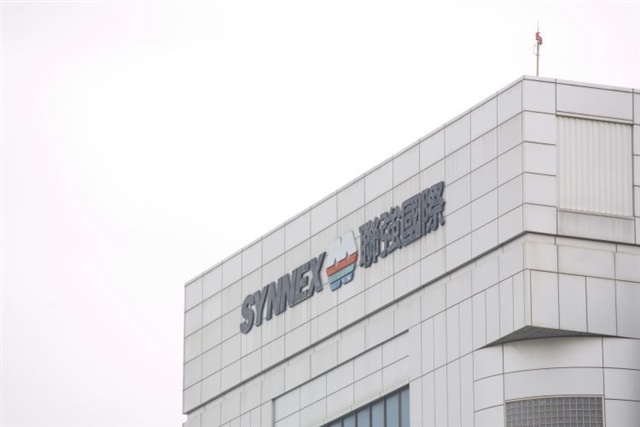
Synnex: un primo trimestre da record trainato dall'intelligenza artificiale
Synnex, un attore chiave nel panorama della distribuzione tecnicica, ha annunciato risultati finanziari senza precedenti per il primo trimestre. L'azienda ha registrato ricavi e profitti record, un chiaro indicatore della robusta domanda che sta caratterizzando il mercato tecnicico attuale. Al centro di questa crescita esponenziale si posiziona l'intelligenza artificiale, un settore che continua a generare investimenti significativi a livello globale.
Questa performance finanziaria sottolinea come l'AI non sia più una tecnicia emergente, ma una forza trainante consolidata che impatta direttamente la catena di valore tecnicica. La capacità di Synnex di capitalizzare su questa tendenza riflette la sua posizione strategica nel fornire le componenti e i servizi essenziali che abilitano lo sviluppo e il deployment di soluzioni AI avanzate.
Il duplice impatto della domanda AI: semiconduttori e cloud
La spinta della domanda di intelligenza artificiale si manifesta in due aree principali per Synnex: i semiconduttori e i servizi cloud. I semiconduttori, in particolare le GPU e altri acceleratori hardware, rappresentano la base computazionale indispensabile per l'addestramento e l'Inference di Large Language Models (LLM) e altri carichi di lavoro AI. La loro richiesta è in costante aumento, poiché le aziende cercano di migliorare le proprie capacità di elaborazione per gestire modelli sempre più complessi e dataset voluminosi.
Parallelamente, la crescita dei servizi cloud legati all'AI evidenzia la preferenza di molte organizzazioni per soluzioni scalabili e gestite. Tuttavia, la necessità di hardware dedicato per l'AI, sia esso self-hosted o fornito tramite cloud, rimane un fattore critico. Le decisioni relative all'infrastruttura, che bilanciano CapEx e OpEx, sovranità dei dati e requisiti di performance, sono al centro delle strategie di deployment per CTO e architetti di sistema.
Implicazioni per le strategie di deployment AI
L'attuale scenario di mercato, caratterizzato da una forte domanda di semiconduttori e servizi cloud per l'AI, pone le aziende di fronte a scelte strategiche complesse. La decisione tra un deployment on-premise, che offre maggiore controllo sui dati e potenziale ottimizzazione del TCO a lungo termine, e l'adozione di soluzioni cloud, che garantiscono flessibilità e scalabilità immediata, è cruciale. Fattori come la VRAM delle GPU, il throughput desiderato e le latenze accettabili per l'Inference sono parametri tecnici che influenzano direttamente queste scelte.
Per chi valuta deployment on-premise, esistono Framework analitici che aiutano a pesare i trade-off tra costi iniziali, gestione dell'infrastruttura e requisiti di compliance, come quelli discussi su /llm-onpremise. La disponibilità di hardware performante e la capacità di gestirlo efficacemente sono elementi distintivi per le organizzazioni che mirano a mantenere la sovranità dei propri dati e a operare in ambienti air-gapped.
Prospettive future nel panorama dell'infrastruttura AI
I risultati di Synnex offrono una chiara indicazione della direzione del mercato: l'investimento in infrastrutture AI è destinato a continuare a crescere. La domanda di potenza computazionale, sia sotto forma di silicio avanzato che di servizi cloud specializzati, rimarrà elevata. Questo scenario stimola l'innovazione non solo a livello di chip, ma anche nello sviluppo di Framework e pipeline per l'ottimizzazione dei carichi di lavoro AI.
Le aziende che sapranno navigare in questo ecosistema complesso, bilanciando le esigenze di performance, costo e sicurezza, saranno quelle meglio posizionate per sfruttare appieno il potenziale dell'intelligenza artificiale. La capacità di adattarsi alle mutevoli dinamiche del mercato, scegliendo le soluzioni di deployment più adatte alle proprie specifiche esigenze, sarà un fattore determinante per il successo nel prossimo futuro.









💬 Commenti (0)
🔒 Accedi o registrati per commentare gli articoli.
Nessun commento ancora. Sii il primo a commentare!