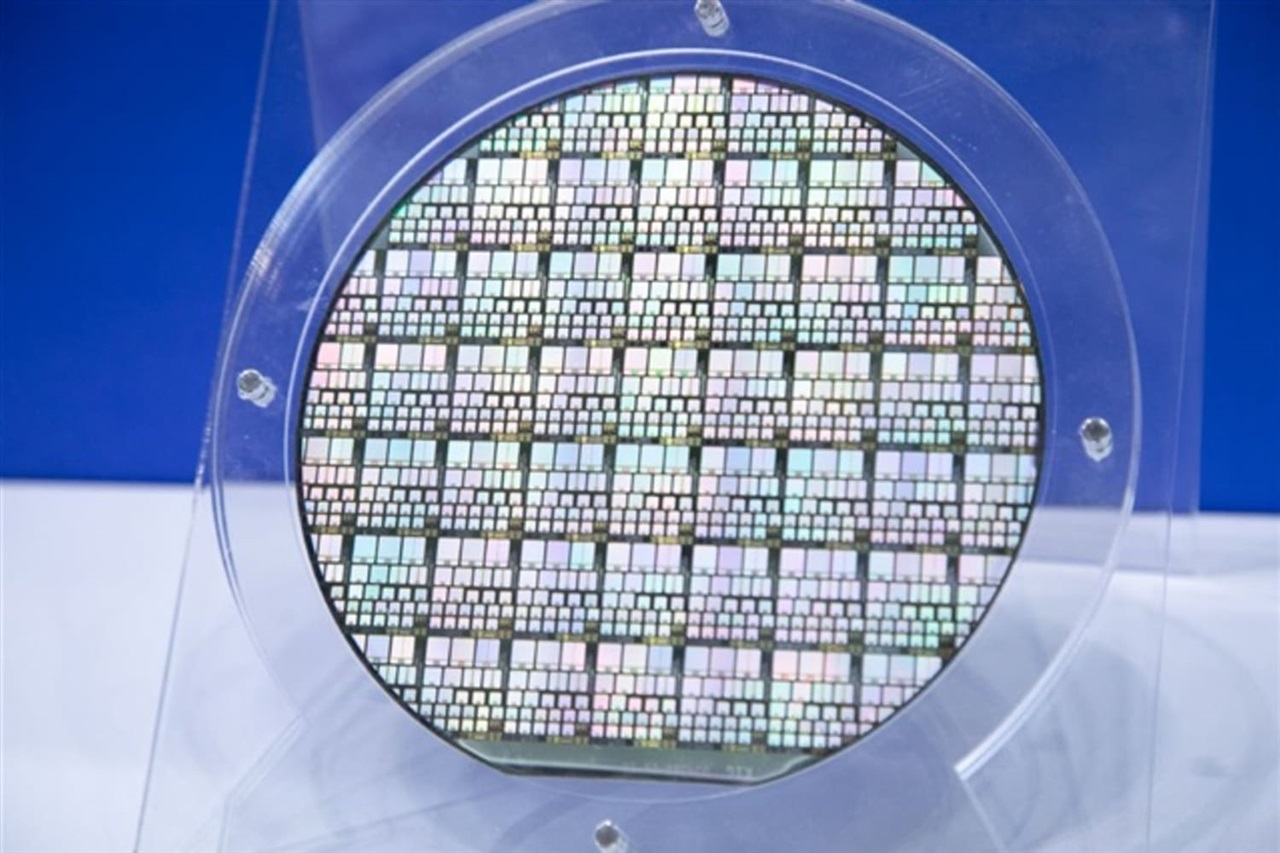
La Spinta di Taiwan verso l'Autosufficienza Strategica
Taiwan, attore dominante nel panorama globale dei semiconduttori, sta intraprendendo iniziative significative per colmare il divario nella propria autosufficienza per quanto riguarda le apparecchiature necessarie alla produzione di chip. Questa mossa strategica riflette una crescente consapevolezza dell'importanza di controllare ogni fase della catena di valore, dalla progettazione alla fabbricazione, fino alle macchine che rendono possibile quest'ultima. L'obiettivo è rafforzare la resilienza del proprio ecosistema industriale e mitigare i rischi legati a dipendenze esterne in un settore così critico.
La decisione di Taiwan di puntare all'autosufficienza non è isolata, ma si inserisce in un contesto geopolitico ed economico più ampio, dove la sicurezza delle catene di fornitura è diventata una priorità assoluta per molte nazioni. Per un'economia che dipende in larga misura dall'esportazione di semiconduttori avanzati, garantire la stabilità e l'indipendenza nella fornitura di apparecchiature è fondamentale per mantenere la propria posizione di leadership e per sostenere l'innovazione tecnicica.
Il Ruolo Cruciale delle Apparecchiature per l'AI
Le apparecchiature per semiconduttori rappresentano il cuore pulsante dell'industria dei chip, essendo indispensabili per la fabbricazione di processori avanzati come le GPU, le CPU e gli acceleratori specializzati. Questi componenti sono a loro volta la spina dorsale di qualsiasi infrastruttura AI moderna, essenziali per il training e l'Inference di Large Language Models (LLM) e altri carichi di lavoro computazionalmente intensivi. La disponibilità e l'affidabilità di queste macchine determinano direttamente la capacità di produrre chip con le specifiche richieste, come elevata VRAM, ampiezza di banda della memoria e capacità di calcolo, che sono cruciali per le performance degli LLM.
Attualmente, il mercato delle apparecchiature per semiconduttori è dominato da un numero limitato di fornitori globali, creando punti di strozzatura e vulnerabilità nella catena di fornitura. Una maggiore autosufficienza da parte di Taiwan potrebbe, nel lungo termine, contribuire a diversificare le fonti di approvvigionamento o, al contrario, consolidare ulteriormente il controllo di Taiwan su un segmento ancora più ampio del settore. Questo scenario ha implicazioni dirette per le aziende che pianificano deployment AI, influenzando la disponibilità e il TCO dell'hardware necessario.
Implicazioni per il Deployment On-Premise e la Sovranità dei Dati
Per le organizzazioni che valutano strategie di deployment AI on-premise, la stabilità e la prevedibilità della catena di fornitura di hardware sono fattori critici. La capacità di Taiwan di produrre autonomamente le apparecchiature per semiconduttori potrebbe influenzare la disponibilità globale di chip e, di conseguenza, i costi e i tempi di consegna per l'acquisto di server e GPU destinati a infrastrutture locali. Un controllo più stretto sulla produzione potrebbe teoricamente portare a una maggiore stabilità dei prezzi e a una riduzione dei rischi di interruzione della fornitura, elementi chiave per la pianificazione a lungo termine di investimenti in hardware AI.
Inoltre, la questione della sovranità dei dati e della sicurezza è strettamente legata alla disponibilità di hardware controllato. Per settori come la finanza, la sanità o la difesa, dove la compliance normativa e la protezione delle informazioni sensibili sono paramount, la possibilità di costruire e gestire stack AI su hardware con una catena di fornitura più trasparente e meno soggetta a interruzioni esterne è un vantaggio significativo. AI-RADAR, ad esempio, offre framework analitici su /llm-onpremise per aiutare le aziende a valutare i trade-off tra costi, performance e controllo in scenari di deployment on-premise, evidenziando come la provenienza e la disponibilità dell'hardware siano fattori determinanti.
Prospettive Future e Sfide del Settore
Il percorso verso l'autosufficienza nelle apparecchiature per semiconduttori è complesso e richiede investimenti massicci in ricerca e sviluppo, oltre a una solida base di competenze ingegneristiche. Se Taiwan riuscirà a rafforzare significativamente la propria posizione in questo segmento, potrebbe ridisegnare ulteriormente le dinamiche del mercato globale dei chip, influenzando la competitività di altri attori e la strategia di approvvigionamento delle grandi aziende tecniciche. Questo scenario potrebbe portare a una maggiore resilienza complessiva della catena di fornitura globale, ma anche a nuove configurazioni di potere nel settore.
Tuttavia, il raggiungimento di una piena autosufficienza è un obiettivo a lungo termine, costellato di sfide tecniciche e finanziarie. Le aziende e i governi di tutto il mondo continueranno a monitorare attentamente questi sviluppi, poiché avranno un impatto diretto non solo sulla produzione di smartphone e computer, ma anche sull'espansione delle capacità AI, sulla sicurezza nazionale e sul TCO delle infrastrutture tecniciche per decenni a venire. La capacità di controllare l'intera pipeline di produzione dei semiconduttori rimane una una delle leve strategiche più potenti nell'era digitale.






💬 Commenti (0)
🔒 Accedi o registrati per commentare gli articoli.
Nessun commento ancora. Sii il primo a commentare!