
Strategic Alliances for Future Technology
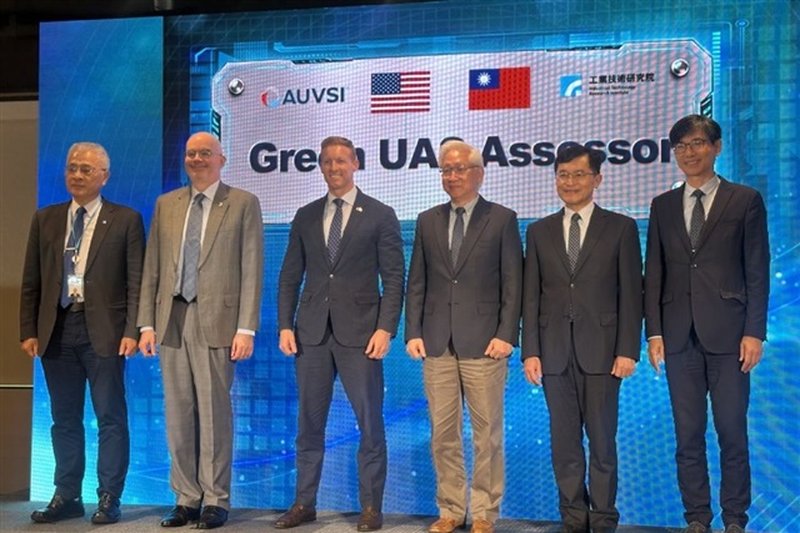
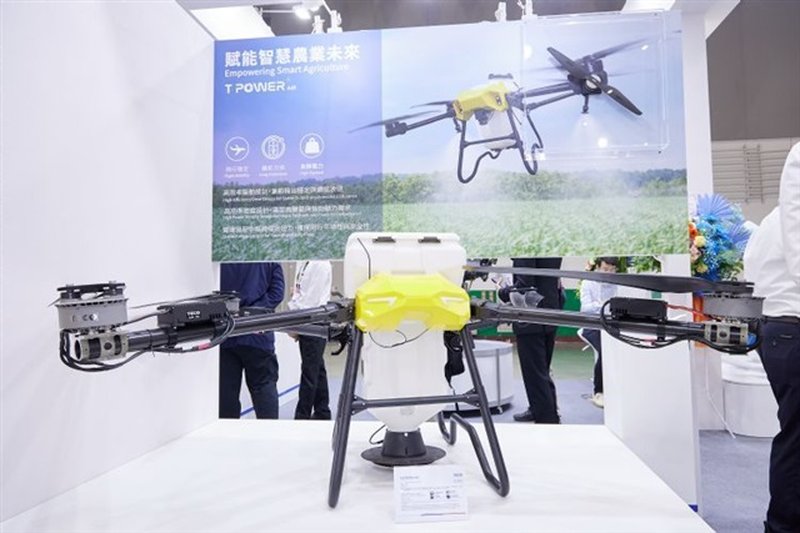
In an increasingly interconnected yet fragmented global technological landscape, strategic alliances between nations and industrial players are becoming critically important. Recently, Taiwan entered into a partnership with a leading French drone company, with the stated goal of boosting key technologies and strengthening the global supply chain. This move underscores a growing trend: the pursuit of collaborations that can ensure not only innovation but also the security and resilience of critical technological infrastructures.
The collaboration between Taiwan, a global hub for semiconductor and electronic component manufacturing, and a French company specializing in unmanned aerial systems, highlights the convergence of strategic interests. For companies operating with AI and Large Language Models (LLM) workloads, the availability and reliability of the supply chain are decisive factors. The ability to access advanced hardware components, such as high-performance GPUs or specialized storage solutions, is fundamental to supporting the intensive computing requirements of Inference and training complex models.
Supply Chain Resilience and Technological Sovereignty
Strengthening the global supply chain is a primary objective of this partnership. Recent disruptions, caused by geopolitical and pandemic factors, have exposed the vulnerability of highly globalized supply chains. For organizations relying on AI infrastructures, ensuring a steady flow of components is essential to avoid Deployment delays and maintain operational continuity. A resilient supply chain also means greater control over the origin and quality of components, vital aspects for security and compliance.
In this context, the "key tech" mentioned in the partnership can include a wide range of innovations, from advanced sensors to edge processing systems, up to artificial intelligence components. For CTOs and infrastructure architects, the ability to rely on diversified and reliable sources for AI hardware, such as silicio for chips or VRAM for GPUs, reduces the risks associated with dependence on a single supplier or a single geographical region. This is particularly relevant for self-hosted and air-gapped deployments, where data sovereignty and complete control over the environment are priorities.
Implications for On-Premise Deployments
The pursuit of greater control and resilience through strategic partnerships has direct implications for Deployment decisions. Companies opting for on-premise or hybrid solutions for their AI workloads often do so for reasons related to data sovereignty, regulatory compliance (such as GDPR), and the need to keep sensitive data within their own borders or infrastructure. A robust and diversified supply chain supports this strategy, ensuring that the necessary hardware is available and secure.
An organization's ability to build and maintain a local stack for LLMs, from bare metal to software Frameworks, largely depends on the stability and reliability of the global supply chain. Partnerships like the one between Taiwan and France can contribute to creating more robust technological ecosystems, reducing long-term risks and Total Cost of Ownership (TCO) associated with disruptions or technological dependencies. For those evaluating on-premise deployments, AI-RADAR offers analytical frameworks on /llm-onpremise to assess the trade-offs between costs, performance, and control, highlighting how supply chain resilience is a critical factor.
Future Outlook and Strategic Trade-offs
These strategic alliances reflect a growing awareness of the importance of protecting and developing national and regional technological capabilities. While globalization has fostered efficiency and innovation, it has also exposed nations to vulnerabilities in critical sectors. The collaboration between Taiwan and France can serve as a model for other initiatives aimed at balancing the benefits of international cooperation with the need for security and technological autonomy.
For technology decision-makers, evaluating these dynamics is fundamental. The choice between a cloud and a self-hosted Deployment is not just a matter of cost or performance, but increasingly also one of strategic control over one's infrastructure and supply chain. Partnerships aimed at strengthening "key tech" and the "global supply chain" are an indicator of how the sector is evolving, pushing companies to consider not only technical specifications but also the geopolitical context and the overall resilience of their technological ecosystem.




💬 Comments (0)
🔒 Log in or register to comment on articles.
No comments yet. Be the first to comment!