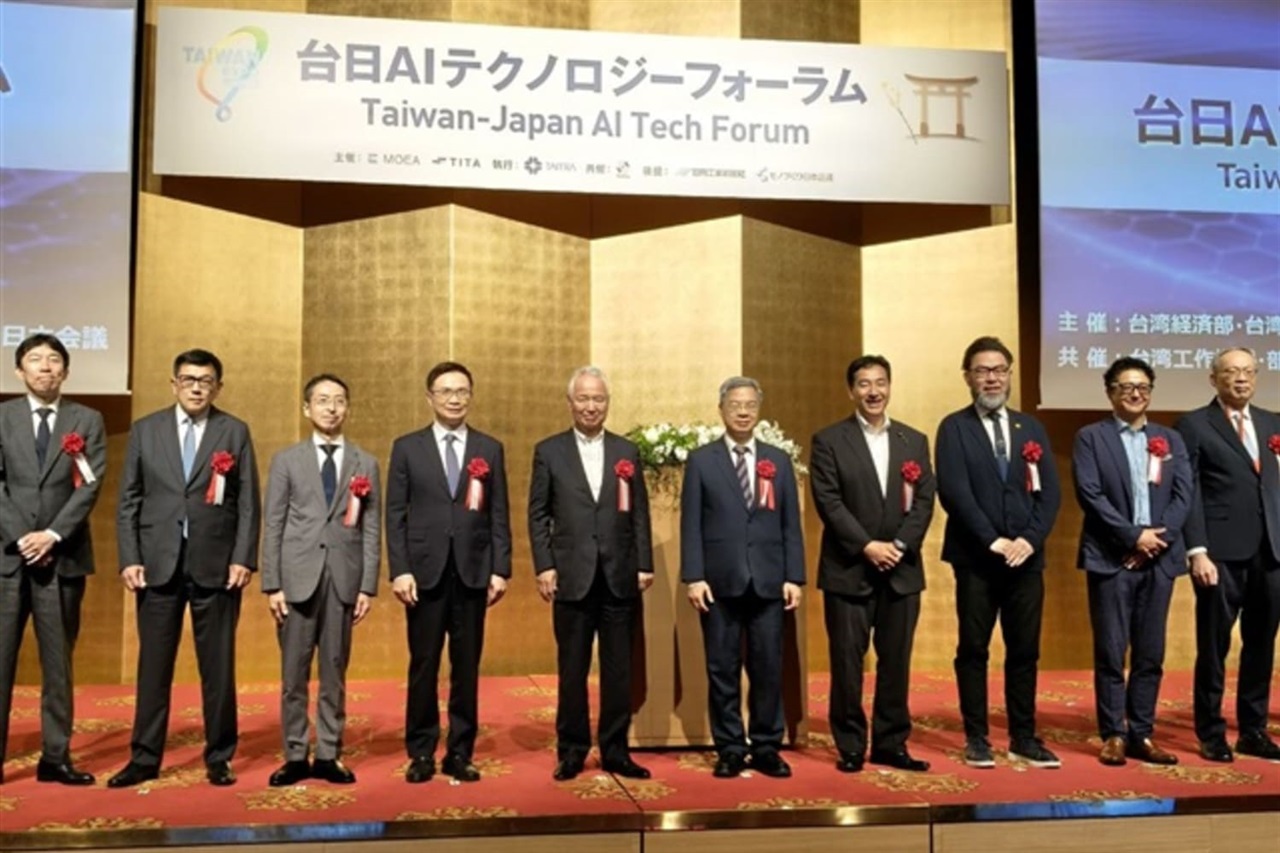
A new chapter in the geopolitics of AI hardware is unfolding at the Taiwan-Japan tech forum, where the two industrial powers are pursuing deeper integration. This is not a routine diplomatic handshake: what’s at stake is the ability to manufacture advanced chips locally, from training to inference, that power Large Language Models.
The backdrop is well-known. Taiwan, with TSMC, dominates sub-5nm manufacturing, while Japan boasts critical suppliers of materials and equipment and is heavily investing in reviving its own semiconductor industry through consortia like Rapidus. Global demand for AI compute is growing relentlessly, straining supply chains. A more structured partnership could speed up joint fabrication plants or standardize AI-optimized architectures, reducing lead times and easing the bottlenecks that today hamper anyone seeking hardware for on-premise deployment.
From AI-RADAR’s standpoint, this is not an abstract trade issue. Organizations evaluating self-hosted models face two concrete obstacles: physical availability of GPUs and accelerators, and a Total Cost of Ownership inflated by scarcity. A stronger Taiwan-Japan production axis means more boards on the market and pricing less exposed to geopolitical swings. If the two countries jointly develop inference-specific processors – perhaps leveraging the advanced packaging technologies typical of Japanese suppliers – competitive alternatives to dominant platforms would emerge, increasing competition and lowering the cost per token served locally.
On the data sovereignty front, the effect is even more direct. Hardware built and assembled within the Indo-Pacific region, with supply-chain controls, simplifies compliance with regulations like GDPR and emerging data residency norms. An organization running inference on machines with traceable, verifiable provenance can more easily demonstrate full control, without relying on cloud servers whose chain of custody is opaque.
The real beneficiaries are midsize enterprises and public agencies that have so far postponed on-premise projects due to supply uncertainty. Traditional cloud providers, on the other hand, could see their user base shrink as companies, finally able to access affordable and certified hardware, decide to bring workloads in-house. This won’t happen overnight, but it’s a structural signal: AI is pushing toward regional hardware ecosystems where technological autonomy is no longer just a political slogan but an operational advantage.
The Taiwan-Japan forum is not just another routine gathering. It’s a symptom of a repositioning from which the on-premise AI community has everything to gain, because the next generation of servers for LLMs could very well come out of this collaboration.






💬 Comments (0)
🔒 Log in or register to comment on articles.
No comments yet. Be the first to comment!