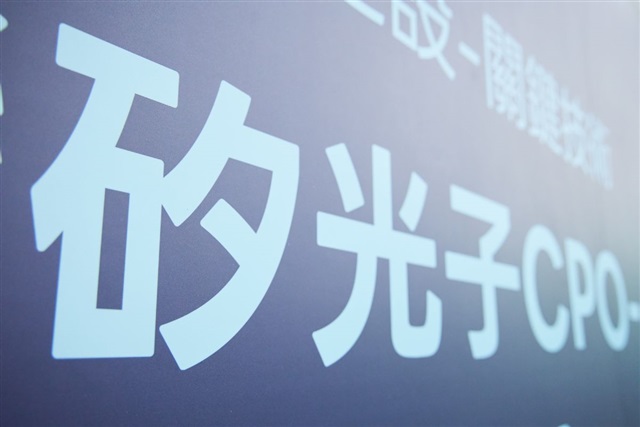
L'Ascesa di Taiwan nel Panorama del Silicio Avanzato
Taiwan si conferma un epicentro strategico per l'industria globale dei semiconduttori, con i suoi produttori di apparecchiature che si posizionano all'avanguardia nell'adozione e nello sviluppo di tecnicie di produzione innovative. In particolare, il settore sta capitalizzando l'onda del packaging avanzato e della fotonica su silicio (SiPh), due pilastri fondamentali per la prossima generazione di hardware ad alte prestazioni. Questi sviluppi non solo rafforzano la leadership tecnicica dell'isola, ma definiscono anche le capacità future dei sistemi di calcolo, in particolare quelli dedicati all'intelligenza artificiale.
L'importanza di queste tecnicie trascende la mera produzione di chip. Esse rappresentano infatti un fattore abilitante critico per affrontare le crescenti esigenze computazionali dei Large Language Models (LLM) e di altri carichi di lavoro AI complessi. Per le aziende che valutano strategie di deployment on-premise, comprendere l'impatto di questi progressi è essenziale per pianificare infrastrutture resilienti, performanti ed economicamente sostenibili nel lungo periodo.
Packaging Avanzato e le Esigenze dell'AI
Il packaging avanzato si riferisce a un insieme di tecniche innovative per l'assemblaggio dei chip che vanno oltre i metodi tradizionali, consentendo di integrare più die (chiplet) in un unico package. Questo approccio è cruciale per superare i limiti fisici della legge di Moore e per migliorare significativamente le prestazioni, la densità e l'efficienza energetica dei processori. Tecnologie come il 3D stacking, l'integrazione di memoria High Bandwidth Memory (HBM) direttamente sul package e l'uso di interposer avanzati permettono di ridurre le distanze di interconnessione, aumentando la larghezza di banda e diminuendo la latenza.
Nel contesto dell'AI, e in particolare per l'Inference e il training di LLM, il packaging avanzato è indispensabile. Le GPU moderne, che sono il cuore di molte infrastrutture AI, beneficiano enormemente di queste innovazioni. L'integrazione di VRAM HBM ad alta capacità e velocità, resa possibile dal packaging avanzato, è fondamentale per gestire i modelli di grandi dimensioni e i dataset massivi, garantendo il throughput necessario per operazioni complesse. Questo si traduce in una maggiore capacità di elaborazione per unità di superficie e in un migliore TCO per i data center self-hosted.
La Fotonica su Silicio: Interconnessioni per Data Center AI
La fotonica su silicio (SiPh) rappresenta un'altra frontiera tecnicica con un impatto profondo sull'infrastruttura AI. Questa tecnicia sfrutta la luce anziché gli elettroni per trasmettere dati, offrendo vantaggi significativi in termini di velocità, consumo energetico e portata. L'integrazione di componenti ottici direttamente su chip di silicio permette di creare interconnessioni ad altissima larghezza di banda e bassa latenza, essenziali per i data center moderni e, in particolare, per i cluster di GPU dedicati all'AI.
L'adozione di SiPh è particolarmente rilevante per le architetture di calcolo distribuito che caratterizzano i deployment di LLM su larga scala. La capacità di trasferire enormi volumi di dati tra GPU e nodi di calcolo con minima latenza è critica per il training e l'Inference parallela. Tecnologie emergenti come le Co-Packaged Optics (CPO), che integrano i moduli ottici direttamente nel package del chip, promettono di ridurre ulteriormente il consumo energetico e migliorare la densità, spingendo i limiti delle prestazioni dei sistemi AI on-premise.
Implicazioni per i Deployment AI On-Premise
Per CTO, DevOps lead e architetti di infrastrutture che considerano deployment AI on-premise, l'evoluzione del packaging avanzato e della fotonica su silicio ha implicazioni dirette e significative. Questi progressi tecnicici influenzano non solo le prestazioni grezze dell'hardware disponibile, ma anche il TCO complessivo, l'efficienza energetica e la scalabilità delle soluzioni self-hosted. La disponibilità di GPU con VRAM sempre più performante e interconnessioni ultraveloci è un fattore chiave per la sovranità dei dati e per la capacità di gestire carichi di lavoro sensibili in ambienti air-gapped o con stringenti requisiti di compliance.
La scelta tra soluzioni cloud e on-premise per i carichi di lavoro AI è spesso dettata da un'attenta analisi dei trade-off. Le innovazioni nel packaging e nella fotonica su silicio rendono l'hardware on-premise sempre più competitivo in termini di performance e, potenzialmente, di TCO a lungo termine, specialmente per carichi di lavoro intensivi e prevedibili. Per chi valuta deployment on-premise, AI-RADAR offre framework analitici su /llm-onpremise per valutare questi trade-off, considerando aspetti come la densità di calcolo, il consumo energetico e la complessità di gestione, senza fornire raccomandazioni dirette ma evidenziando i vincoli e le opportunità.



💬 Commenti (0)
🔒 Accedi o registrati per commentare gli articoli.
Nessun commento ancora. Sii il primo a commentare!