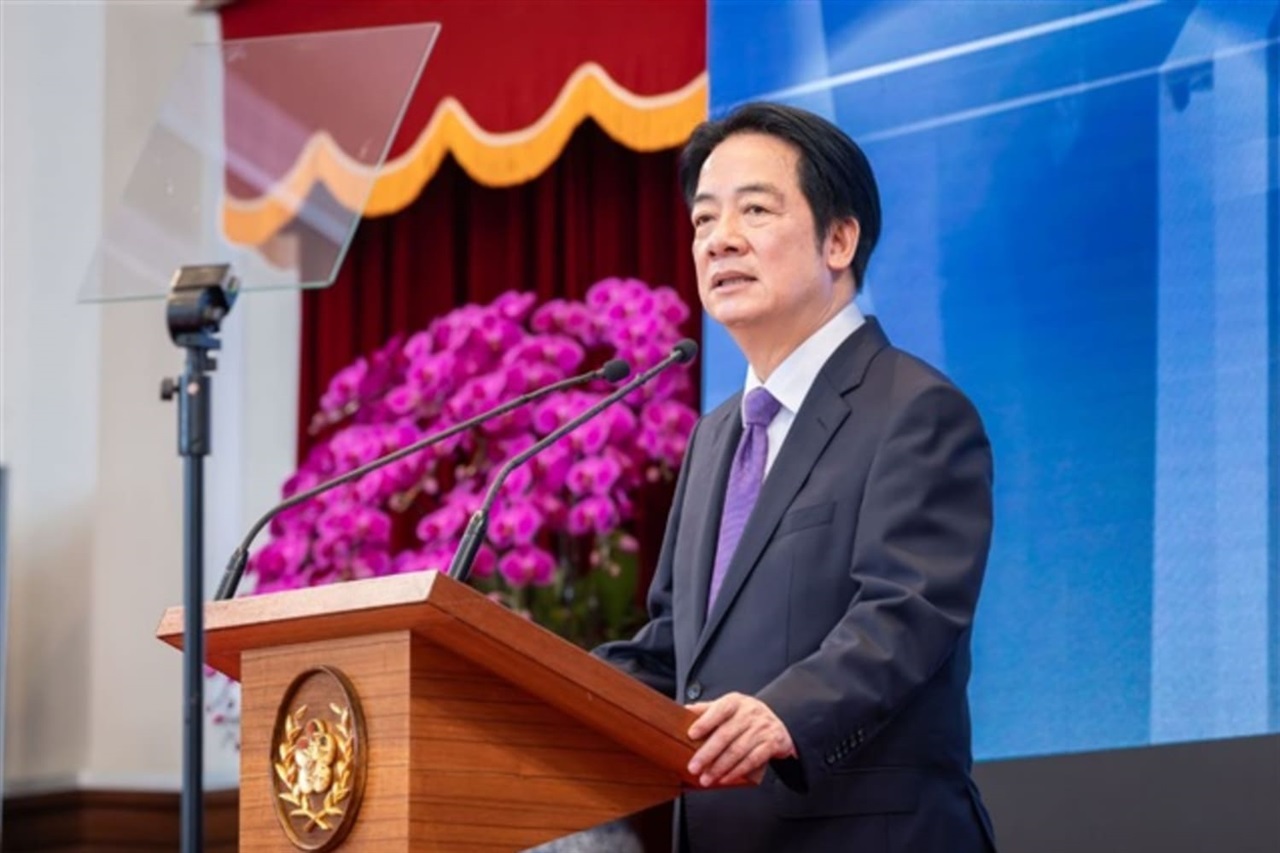
Taiwan's Central Role in the Global Semiconductor Landscape
Taiwan is experiencing significant economic expansion, largely fueled by its prominent position in the semiconductor industry. This export growth is not merely an indicator of commercial success; it also provides the financial leverage for an ambitious national industrial transformation. The island's strategic status as a hub for advanced chip manufacturing makes it an indispensable player across the entire global technology supply chain.
The silicon produced in Taiwan forms the foundation for a wide array of devices, from consumer electronics to high-performance computing systems. Notably, the demand for specialized chips for artificial intelligence, such as GPUs and dedicated accelerators, has surged, making Taiwan's production capacity a critical factor for global innovation and technological development.
The Impact on On-Premise AI Deployments
For enterprises evaluating the deployment of Large Language Models (LLM) in self-hosted or air-gapped environments, the availability and access to advanced computing hardware are fundamental requirements. Taiwan's ability to produce cutting-edge silicon directly influences the global supply chain for essential components like GPUs with high VRAM, which are crucial for Inference and Fine-tuning of complex LLMs.
A robust on-premise infrastructure demands not only computing power but also the assurance of a stable and predictable supply of these components. Fluctuations in chip production or delivery can significantly impact the Total Cost of Ownership (TCO) and strategic planning for companies aiming to maintain complete control over their data and AI models, avoiding reliance on external cloud services for reasons of data sovereignty or compliance.
Industrial Strategy and Technological Sovereignty
Taiwan's decision to utilize chip export revenues to fund an industrial overhaul underscores its awareness of the semiconductor sector's strategic value. This move not only strengthens its economy but also solidifies its position as a key provider of AI-enabling technology. For nations and large enterprises, the ability to access a stable supply of advanced silicon is increasingly linked to technological sovereignty.
Reliance on a limited number of global suppliers for critical silicon can introduce vulnerabilities into the supply chain, with repercussions for the ability to develop and deploy proprietary AI solutions. This context prompts many organizations to explore self-hosted solutions, where control over hardware and the deployment environment becomes a priority for mitigating risks and ensuring regulatory compliance.
Future Outlook for AI Infrastructure
The evolution of Taiwan's semiconductor industry and its investment strategy will have long-term repercussions on the artificial intelligence landscape. The availability of high-performance chips is an enabling factor for innovation in LLMs and for the widespread adoption of AI solutions in critical sectors. For companies focused on on-premise deployments, the stability and technological advancement of silicon suppliers are directly related to their ability to scale and optimize their AI pipelines.
AI-RADAR offers analytical frameworks on /llm-onpremise to evaluate the trade-offs between different deployment architectures, considering factors such as TCO, performance, and data sovereignty requirements. Understanding the global dynamics of the chip market is essential for making informed decisions about AI infrastructure, ensuring that technological choices support organizations' long-term strategic objectives.





💬 Comments (0)
🔒 Log in or register to comment on articles.
No comments yet. Be the first to comment!