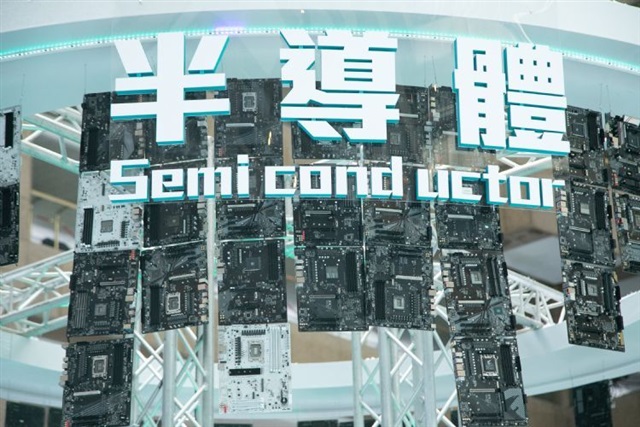
Taiwan's Export Surge Driven by AI
Taiwan is poised to achieve a significant economic milestone, with its total exports projected to exceed US$800 billion by 2026. This forecast, based on DIGITIMES analyses, underscores the resilience and centrality of the Taiwanese economy in the global technological landscape. The primary engine behind this exponential growth is identified as the rapid expansion and adoption of artificial intelligence (AI) worldwide.
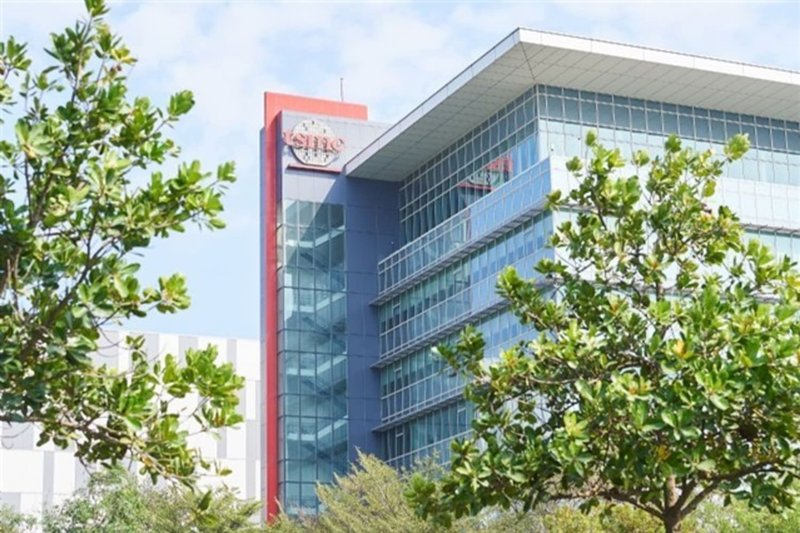
The demand for AI solutions, from Large Language Models (LLM) to large-scale inference, is generating a wave of innovation that directly translates into a growing need for advanced hardware and electronic components. Taiwan, with its established leadership in semiconductor manufacturing and other key electronic elements, is uniquely positioned to capitalize on this trend, further strengthening its influence in international markets.
The Crucial Role of Electronics in the Age of Artificial Intelligence
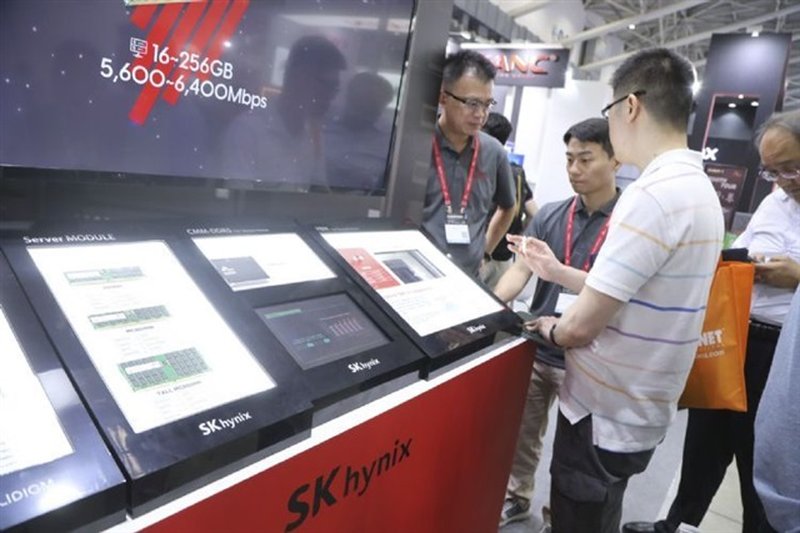
Taiwan's electronics sector is at the heart of this growth wave. AI, in all its forms, demands unprecedented computing power, which translates into an extremely high demand for specialized chips, high-performance GPUs with ample VRAM, and high-bandwidth memory modules. These components are fundamental not only for training complex models but also for large-scale inference in production environments.
Companies developing and deploying AI solutions, whether in the cloud or in self-hosted or bare metal deployments, heavily rely on Taiwan's ability to supply these critical elements. The global supply chain, already under pressure, sees Taiwan as an irreplaceable pillar for the production of advanced silicio, essential for powering the AI infrastructure of the future. This scenario highlights the close interdependence between AI innovation and hardware manufacturing capabilities.
Market Implications and Deployment Strategies
The increase in Taiwanese exports, driven by AI, has profound implications for the global technology market. The availability and cost of electronic components directly influence investment strategies and Total Cost of Ownership (TCO) for companies intending to implement AI workloads. For organizations evaluating on-premise deployments, supply chain stability and the ability to access cutting-edge hardware become critical factors.
The choice between cloud solutions and self-hosted infrastructure for LLMs and other AI applications is often dictated by considerations beyond initial cost, including aspects such as data sovereignty, regulatory compliance, and the need for air-gapped environments. The robustness of the Taiwanese electronics sector provides a solid foundation for these decisions, but at the same time draws attention to diversification of sources and risk management in the supply chain. For those evaluating on-premise deployments, analytical frameworks are available on AI-RADAR to assess the trade-offs between different options.
Future Outlook and Challenges for the AI Ecosystem
Looking ahead, the growth trajectory of Taiwanese exports suggests a continued expansion of the AI market. However, this scenario is not without its challenges. The increasing energy demand to power data centers and AI infrastructure, the need for continuous innovation to overcome current silicio limitations, and geopolitical tensions represent factors that could influence future stability and growth.
Taiwan's ability to maintain its leadership position will depend on its agility in adapting to these dynamics and its continuous drive towards research and development. For companies globally, understanding these market dynamics is crucial for planning long-term investments in AI infrastructure, ensuring that their development pipelines and deployments are sustainable and resilient in the face of a rapidly evolving technological landscape.






💬 Comments (0)
🔒 Log in or register to comment on articles.
No comments yet. Be the first to comment!