
An Unprecedented Operation in Taiwan
Taiwan, a global hub for semiconductor manufacturing, has recently undertaken its first formal and large-scale action to counter the smuggling of AI chips produced by Nvidia. The operation saw authorities conduct raids at 12 different locations, signaling a strong commitment to strengthening control over the supply chain of strategically important technological components. This crackdown highlights the increasing focus on security and legality in the trade of essential hardware for artificial intelligence development.
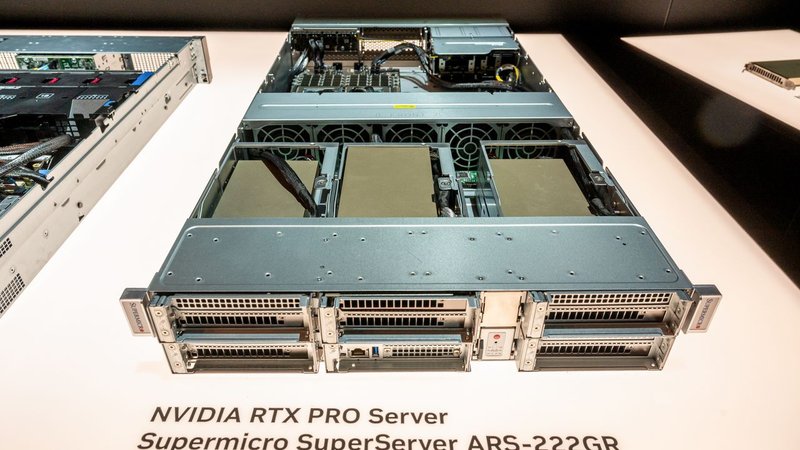
The investigation is particularly significant as it targets serious allegations, including document forgery and fraudulent declarations. Authorities are currently searching for three fugitives believed to be involved in these illicit activities. The case also mentions the involvement of Super Micro, a relevant player in the server and IT infrastructure sector, suggesting a potentially complex and organized smuggling network.
The Strategic Importance of AI Chips
AI chips, particularly high-end GPUs from companies like Nvidia, have become crucial components for the advancement of artificial intelligence, powering both intensive training phases and inference for Large Language Models (LLM) and other complex applications. Their demand has exploded, creating significant pressure on global supply chains and making them extremely valuable assets. This scarcity and their strategic role make them targets for illicit activities such as smuggling.
For companies evaluating the deployment of AI solutions, especially in on-premise or air-gapped environments, reliable and legal access to this hardware is fundamental. Difficulty in acquiring specialized GPUs can directly impact the Total Cost of Ownership (TCO) and implementation timelines, as well as raise issues of compliance and data sovereignty. The availability of high-quality silicon is a prerequisite for building robust and performant infrastructures capable of handling intensive LLM workloads.
Context and Implications for On-Premise Deployment
The smuggling of AI chips is not merely a public order issue; it also has profound implications for the global technology market and companies' deployment strategies. Supply chain distortion can lead to inflated prices, delivery delays, and increased uncertainty for organizations planning investments in AI infrastructure. This is particularly true for those opting for a self-hosted approach, where direct hardware purchase and management are central.
For CTOs, DevOps leads, and infrastructure architects, supply chain security becomes a critical factor in evaluating self-hosted alternatives versus cloud solutions. The assurance of being able to acquire authentic and compliant hardware is essential for the stability and security of their AI pipelines. AI-RADAR, for example, offers analytical frameworks to evaluate the trade-offs of on-premise deployments, where hardware availability and integrity are key parameters.
Future Prospects and Market Control
Taiwan's action underscores governments' growing awareness of the strategic importance of semiconductors and the need to protect supply chains from illicit activities. This type of intervention not only aims to combat crime but also helps stabilize the market and ensure that critical hardware reaches legitimate channels. In an era where AI is at the forefront of innovation, the ability to control and fairly distribute hardware resources is paramount.
The fight against AI chip smuggling is expected to intensify as the demand for computational power for artificial intelligence continues to grow. For businesses, this means that due diligence in selecting suppliers and understanding hardware market dynamics will become even more important. Transparency and compliance in the supply chain will be distinguishing elements to ensure the sustainability and security of AI deployments, both on-premise and hybrid.






💬 Comments (0)
🔒 Log in or register to comment on articles.
No comments yet. Be the first to comment!