Il Mercato del Lavoro a Taiwan e le Sue Implicazioni
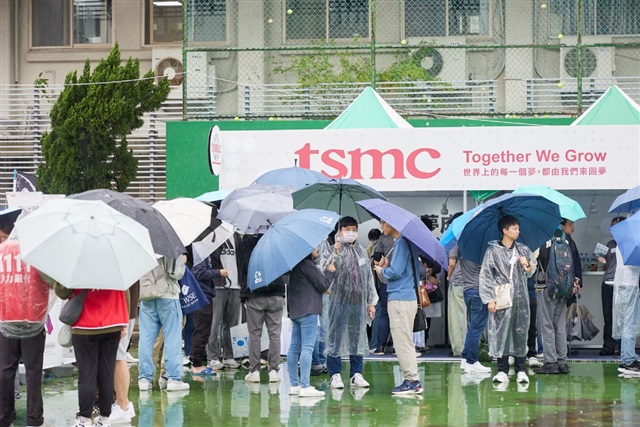
Taiwan si trova ad affrontare una situazione interessante nel suo mercato del lavoro, con oltre 260.000 posti vacanti. Un dato significativo emerge dall'analisi di questi numeri: il settore manifatturiero contribuisce per il 32,4% a questa cifra complessiva. Questa statistica, fornita da DIGITIMES, offre uno sguardo sulle dinamiche economiche interne di un'isola che riveste un ruolo di primaria importanza nel panorama tecnicico mondiale.
La robustezza o le sfide del mercato del lavoro in un'economia così strategica possono avere ripercussioni che vanno ben oltre i confini nazionali. Per le aziende globali, e in particolare per quelle che operano nel settore dell'intelligenza artificiale, comprendere questi indicatori economici è fondamentale per anticipare potenziali scenari legati alla supply chain e alla disponibilità di risorse.
Il Ruolo di Taiwan nella Supply Chain Tecnologica Globale
Il dato sui posti vacanti nel manifatturiero assume una rilevanza particolare se si considera la posizione di Taiwan come fulcro della produzione di semiconduttori e componenti elettronici avanzati. L'isola è un attore insostituibile nella catena di fornitura globale per l'hardware che alimenta l'innovazione tecnicica, inclusi i sistemi necessari per l'Inference e il training di Large Language Models.
Una forte domanda di manodopera nel settore manifatturiero taiwanese può essere interpretata come un segnale di elevata attività produttiva, ma anche come un potenziale indicatore di tensioni o colli di bottiglia nella disponibilità di risorse umane. Questi fattori, sebbene indirettamente, possono influenzare i tempi di consegna e i costi dei componenti essenziali per l'infrastruttura AI, un aspetto cruciale per le organizzazioni che pianificano deployment on-premise.
Strategie di Deployment AI e Resilienza della Supply Chain
Per CTO, DevOps lead e architetti di infrastruttura che valutano il deployment di LLM on-premise, la stabilità e la prevedibilità della supply chain hardware sono elementi chiave. La dipendenza da un numero limitato di fornitori o regioni geografiche per componenti critici, come le GPU ad alte prestazioni o il silicio specializzato, introduce un livello di rischio che deve essere attentamente gestito.
Le decisioni relative al TCO di un'infrastruttura AI self-hosted non si limitano al costo iniziale dell'hardware, ma includono anche la sua disponibilità a lungo termine, la resilienza della catena di fornitura e la capacità di scalare. La sovranità dei dati e la conformità normativa spesso spingono le aziende verso soluzioni on-premise o air-gapped, rendendo ancora più critiche le considerazioni sulla procurement e la gestione dell'hardware. AI-RADAR offre framework analitici su /llm-onpremise per valutare questi trade-off complessi.
Prospettive Future per l'Framework AI
In un contesto globale in continua evoluzione, la capacità di un'azienda di costruire e mantenere un'infrastruttura AI robusta dipende non solo dalle scelte tecniciche, ma anche da una profonda comprensione delle dinamiche macroeconomiche e geopolitiche che influenzano la supply chain. I dati sul mercato del lavoro in regioni chiave come Taiwan, pur essendo di natura generale, contribuiscono a delineare un framework più ampio per le decisioni strategiche.
La pianificazione per il futuro richiede un approccio olistico che consideri la disponibilità di silicio, i tempi di consegna, i costi e la resilienza complessiva. Le organizzazioni che investono in soluzioni self-hosted per i loro carichi di lavoro AI devono monitorare attentamente questi indicatori per garantire la continuità operativa e la capacità di innovazione, mitigando i rischi derivanti da interruzioni o ritardi nella fornitura di hardware essenziale.





💬 Commenti (0)
🔒 Accedi o registrati per commentare gli articoli.
Nessun commento ancora. Sii il primo a commentare!