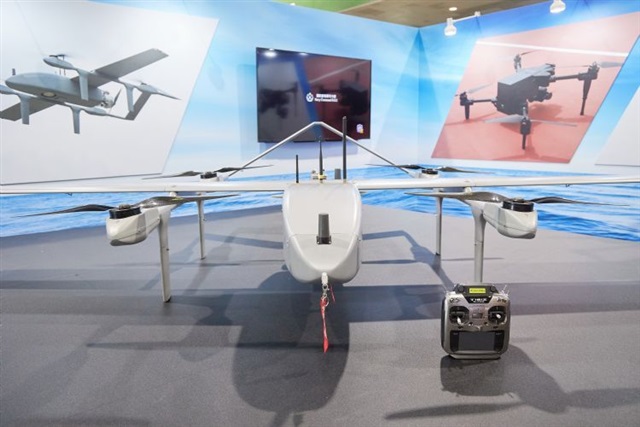
Taiwan e l'avanzamento dei veicoli senza pilota
Taiwan, un attore chiave nell'industria tecnicica globale, sta consolidando i propri sforzi per promuovere la ricerca e lo sviluppo nel campo dei veicoli senza pilota. Questa iniziativa strategica vede una maggiore collaborazione tra il settore industriale e le istituzioni di ricerca, con l'obiettivo di accelerare l'innovazione in un segmento tecnicico in rapida evoluzione. I veicoli senza pilota, che spaziano dai droni ai robot autonomi e ai sistemi di trasporto intelligenti, rappresentano una frontiera cruciale per diverse applicazioni, dalla logistica alla sicurezza, fino all'esplorazione.
L'espansione di questa collaborazione sottolinea la volontà di Taiwan di capitalizzare la propria expertise nel settore dei semiconduttori e dell'elettronica per guidare lo sviluppo di soluzioni avanzate. L'obiettivo è creare un ecosistema robusto che possa supportare l'intero ciclo di vita di questi sistemi, dalla progettazione hardware e software alla fase di test e Deployment.
Le esigenze computazionali e l'intelligenza artificiale a bordo
Lo sviluppo di veicoli senza pilota è intrinsecamente legato ai progressi nell'intelligenza artificiale, in particolare nell'ambito della percezione ambientale, della navigazione autonoma e del processo decisionale in tempo reale. Questi sistemi richiedono capacità computazionali significative per elaborare flussi di dati complessi provenienti da sensori come telecamere, LiDAR e radar. L'Inference di modelli di Machine Learning e, in prospettiva, di Large Language Models (LLM) per compiti più complessi, deve avvenire con latenza estremamente bassa, spesso direttamente a bordo del veicolo (edge computing).
Per sostenere queste esigenze, la ricerca si concentra su hardware specializzato, come GPU e acceleratori AI, ottimizzati per il consumo energetico e le dimensioni. Parallelamente, le attività di R&D richiedono infrastrutture di training robuste, capaci di gestire dataset massivi e di eseguire cicli di Fine-tuning intensivi. La scelta dell'architettura computazionale, che bilanci performance, efficienza e costi, è un fattore determinante per il successo di questi progetti.
Implicazioni infrastrutturali e la sovranità dei dati
L'accelerazione della R&D sui veicoli senza pilota ha profonde implicazioni per l'infrastruttura tecnicica. La gestione dei dati generati da questi sistemi, spesso sensibili o proprietari, solleva questioni di sovranità dei dati e conformità normativa. Per molte applicazioni, in particolare quelle critiche o legate alla difesa, è imperativo mantenere il controllo completo sui dati, rendendo il Deployment on-premise o in ambienti air-gapped una scelta preferenziale per le fasi di training e archiviazione.
Taiwan, con la sua posizione dominante nella produzione di silicio, è strategicamente posizionata per fornire i componenti hardware essenziali per queste infrastrutture. La collaborazione industriale può quindi tradursi non solo nello sviluppo di veicoli, ma anche nella creazione di uno stack tecnicico completo, dai chip ai Framework software, che garantisca sicurezza, performance e controllo.
Prospettive future e i trade-off del Deployment
L'iniziativa taiwanese di potenziare la collaborazione nel settore dei veicoli senza pilota promette di accelerare l'innovazione e di consolidare la leadership tecnicica dell'isola. Tuttavia, il percorso verso la piena autonomia e l'adozione su larga scala è costellato di sfide tecniche e operative. Le decisioni relative al Deployment dell'AI, che sia per l'Inference a bordo o per il training in data center, implicano un'attenta valutazione dei trade-off.
Le aziende e i team di ricerca devono bilanciare fattori come il Total Cost of Ownership (TCO), la latenza, il Throughput, la sicurezza dei dati e la scalabilità. Mentre le soluzioni cloud offrono flessibilità, i requisiti di sovranità dei dati e le performance critiche spesso spingono verso architetture self-hosted o ibride. Per chi valuta deployment on-premise, AI-RADAR offre framework analitici su /llm-onpremise per valutare questi trade-off, fornendo strumenti per decisioni informate senza raccomandazioni dirette.










💬 Commenti (0)
🔒 Accedi o registrati per commentare gli articoli.
Nessun commento ancora. Sii il primo a commentare!