TECO Enters the AI Data Center Market
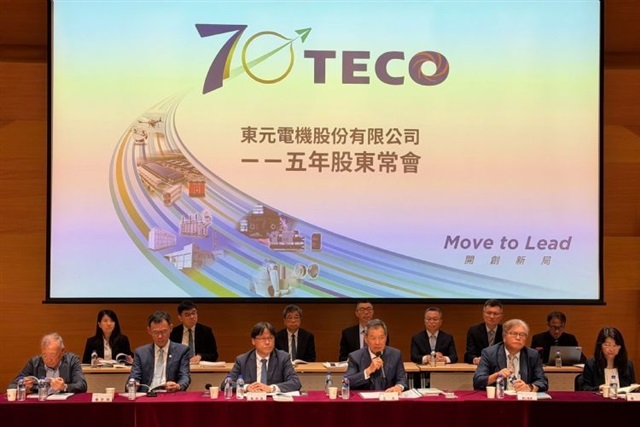
TECO, a well-known company in the industry, has announced its intention to significantly expand its presence in the AI data center market. This strategic move focuses on offering modular solutions and a targeted expansion into the North American and Southeast Asian regions.
TECO's decision comes amidst a rapidly growing demand for infrastructure capable of supporting increasingly intensive AI workloads, from Large Language Models (LLM) to the training of complex models. Companies are seeking solutions that provide not only computing power but also flexibility and control over their digital assets.
The Modular Approach: Flexibility and Scalability for AI
Adopting a modular approach for AI data centers directly addresses the dynamic needs of the sector. Modular solutions allow organizations to scale their infrastructure as needed, adding computing capacity (such as high VRAM GPUs) or storage incrementally, without having to face massive initial investments in fixed infrastructure.
This model offers significant advantages in terms of deployment speed and TCO optimization, especially for companies opting for self-hosted or hybrid deployments. The ability to quickly configure specific environments for LLM inference or fine-tuning, with precise power and cooling requirements, becomes a critical factor for operational agility and competitiveness.
Geographic Expansion and Data Sovereignty
The choice to focus on North America and Southeast Asia is not coincidental. Both regions exhibit high demand for AI infrastructure, driven by sectors such as finance, healthcare, and manufacturing, which require local processing capabilities and regulatory compliance.
Data sovereignty and privacy regulations are key drivers for many companies that prefer to keep their data and AI workloads within national or regional borders. On-premise or air-gapped solutions thus become essential to ensure control and security, reducing the risks associated with transferring sensitive data to public clouds.
Considerations for On-Premise LLM Deployment
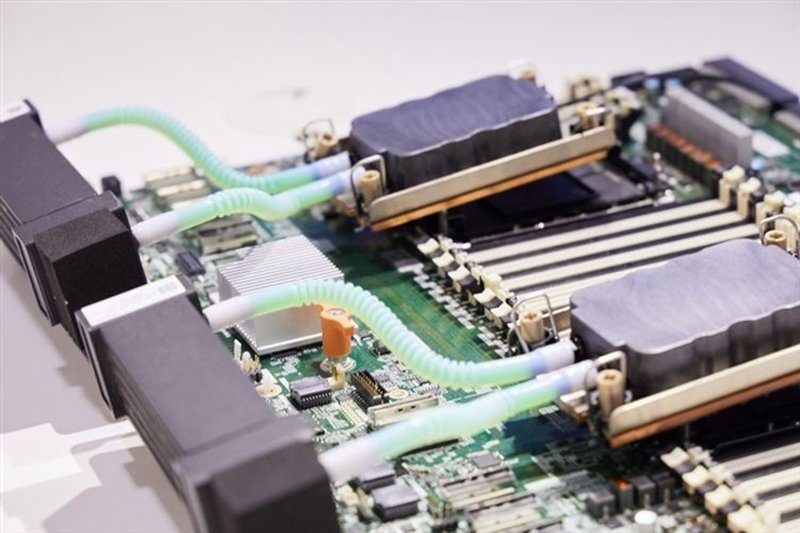
Deploying LLMs on-premise presents complex challenges, ranging from managing power and cooling for high-density GPUs, to selecting the most suitable hardware (e.g., A100 80GB or H100 SXM5 for intensive workloads), and orchestrating software and frameworks. TECO's modular solutions could simplify some of these aspects, offering a smoother path towards implementing dedicated AI infrastructure.
For CTOs, DevOps leads, and infrastructure architects evaluating self-hosted alternatives versus the cloud for AI/LLM workloads, it is crucial to carefully analyze the trade-offs between CapEx and OpEx, latency, throughput, and VRAM requirements. AI-RADAR offers analytical frameworks on /llm-onpremise to support these decisions, highlighting the constraints and opportunities of each approach.







💬 Comments (0)
🔒 Log in or register to comment on articles.
No comments yet. Be the first to comment!