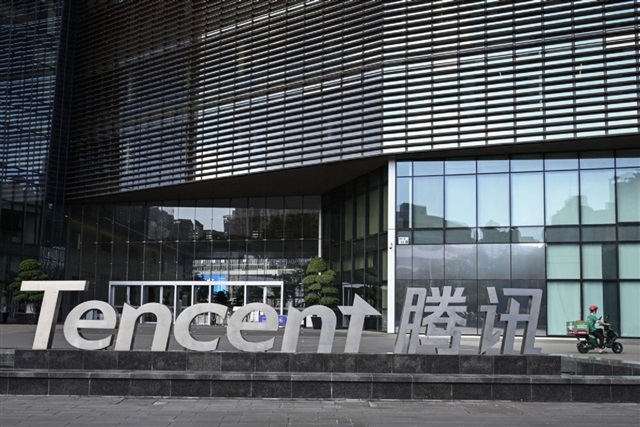
L'approccio duale di Tencent nel silicio AI
Tencent, gigante tecnicico cinese, sta delineando una strategia distintiva nel panorama dei chip per l'intelligenza artificiale. L'azienda ha scelto un percorso "dual-track", che prevede lo sviluppo interno del suo processore Canghai V2 e, parallelamente, la costruzione di solide partnership con attori locali. Questa mossa sottolinea la crescente importanza di un controllo diretto sull'hardware sottostante per le operazioni AI su vasta scala.
L'obiettivo primario di un simile approccio è duplice: garantire una maggiore resilienza della catena di fornitura e ottimizzare le prestazioni dei sistemi AI, dai Large Language Models (LLM) alle applicazioni di visione artificiale. In un contesto globale caratterizzato da tensioni geopolitiche e sfide nella disponibilità di componenti, la capacità di sviluppare e produrre internamente o con partner fidati diventa un asset strategico fondamentale.
Canghai V2 e l'ottimizzazione per i carichi di lavoro AI
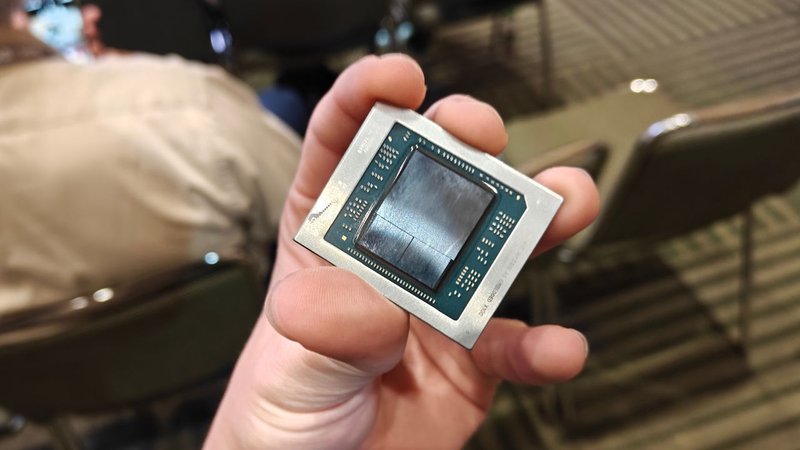
Il processore Canghai V2 rappresenta il fulcro dell'impegno di Tencent nello sviluppo di silicio proprietario. Sebbene i dettagli tecnici specifici non siano stati divulgati, l'esistenza di un chip interno suggerisce un'attenzione all'ottimizzazione per i carichi di lavoro AI più esigenti, come l'Inference e il training di LLM. I chip progettati ad hoc possono offrire vantaggi significativi in termini di efficienza energetica, throughput e latenza rispetto a soluzioni generiche.
La progettazione di silicio personalizzato permette alle aziende di integrare funzionalità specifiche che accelerano operazioni chiave per l'AI, come le moltiplicazioni di matrici o le operazioni di Quantization. Questo si traduce in un miglioramento delle performance e in una riduzione del Total Cost of Ownership (TCO) per data center che gestiscono migliaia di GPU. Le partnership domestiche, d'altro canto, possono contribuire a diversificare la produzione e a garantire l'accesso a tecnicie complementari, riducendo la dipendenza da fornitori esterni.
Implicazioni per il deployment on-premise e la sovranità dei dati
La strategia di Tencent riflette una tendenza più ampia nel settore tecnicico, dove le grandi aziende cercano di verticalizzare la propria infrastruttura AI. Per i CTO e gli architetti di infrastruttura che valutano deployment on-premise, l'approccio di Tencent evidenzia i benefici del controllo hardware. La capacità di personalizzare il silicio e di gestire la catena di fornitura locale è cruciale per la sovranità dei dati, la compliance normativa e la creazione di ambienti air-gapped.
L'investimento in chip proprietari, pur comportando un elevato CapEx iniziale e lunghi cicli di sviluppo, può generare un significativo ritorno sull'investimento a lungo termine, specialmente per organizzazioni con esigenze di calcolo AI massicce e costanti. Questo modello offre un maggiore controllo sulla sicurezza, sulle performance e sulla scalabilità, aspetti fondamentali per chi gestisce infrastrutture self-hosted o ibride. Per chi valuta deployment on-premise, AI-RADAR offre framework analitici su /llm-onpremise per valutare trade-off tra soluzioni proprietarie e commerciali.
Prospettive future nel panorama dei chip AI
L'iniziativa di Tencent si inserisce in un contesto globale in cui la competizione per il dominio nel campo dell'AI è sempre più intensa. La capacità di controllare l'intero stack tecnicico, dal silicio al software, è vista come un fattore abilitante per l'innovazione e la leadership. Questo approccio non solo mitiga i rischi legati alla catena di fornitura, ma permette anche un'integrazione più profonda tra hardware e software, sbloccando nuove possibilità di ottimizzazione.
In definitiva, la strategia "dual-track" di Tencent per i chip AI, con Canghai V2 e le partnership domestiche, rappresenta un modello per le aziende che mirano a costruire infrastrutture AI resilienti, performanti e strategicamente autonome. È un chiaro segnale dell'importanza di investire nel silicio come fondamento per il futuro dell'intelligenza artificiale, specialmente in scenari dove il controllo e l'efficienza sono prioritari.








💬 Commenti (0)
🔒 Accedi o registrati per commentare gli articoli.
Nessun commento ancora. Sii il primo a commentare!