Geopolitical Impact on Infrastructure Costs in Taiwan
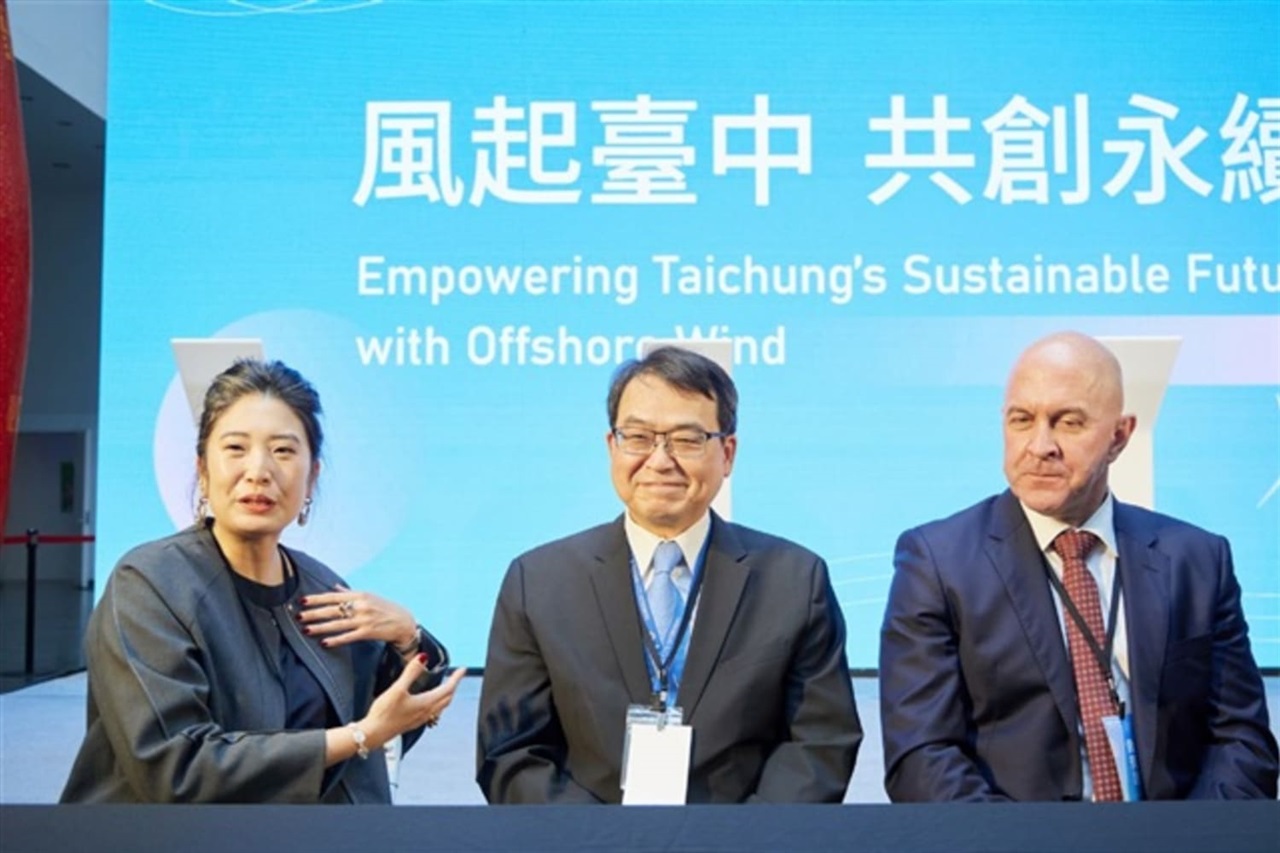
Global geopolitical dynamics continue to exert significant pressure on infrastructure projects, with direct repercussions on costs and strategic planning. A recent example, reported by DIGITIMES, concerns an offshore wind project in Taiwan, which has seen a US$20 million increase in its costs due to growing geopolitical tensions in the region. This figure, while specific to the energy sector, offers a clear indication of the challenges companies face when operating in complex global contexts.
The increase in costs is not merely a financial matter; it also reflects the uncertainty and risks associated with the supply chain and operational stability. For technology-intensive sectors, such as artificial intelligence and Large Language Models (LLMs), such fluctuations can have an even more pronounced impact, directly affecting the Total Cost of Ownership (TCO) of on-premise deployments and long-term investment strategies.
Taiwan, Silicio, and the Global Supply Chain
Taiwan's role in the global technological economy is irreplaceable, particularly for the production of advanced semiconductors. The island is a crucial hub for silicio manufacturing, a fundamental component for GPUs and other specialized chips that power AI model inference and training. The geopolitical tensions affecting the region are therefore not limited to energy projects but extend to the entire technological supply chain.
Any disruption or cost increase in the production or transportation of these components has a cascading effect. Companies that depend on specific hardware for their local LLM stacks, for example, may face higher prices, delivery delays, or, in the worst-case scenario, a scarcity of essential components. This vulnerability highlights the need for robust planning and risk mitigation strategies to ensure operational continuity and financial sustainability.
Implications for On-Premise LLM Deployment
For CTOs, DevOps leads, and infrastructure architects evaluating on-premise LLM deployment, supply chain stability and cost predictability are decisive factors. Choosing a self-hosted infrastructure offers significant advantages in terms of data sovereignty, control, and security, especially for air-gapped environments or those with stringent compliance requirements. However, it also directly exposes organizations to global supply chain risks.
A US$20 million increase in a single infrastructure project, like the one cited, might seem distant from the world of LLMs, but it serves as a wake-up call. It indicates that the cost of silicio and hardware can fluctuate unpredictably, impacting initial CapEx and overall TCO. Deployment decisions must therefore consider not only the technical specifications of GPUs (such as VRAM or throughput) but also supply chain resilience and the potential impact of geopolitical tensions on hardware acquisition and maintenance costs. For those evaluating on-premise deployments, AI-RADAR offers analytical frameworks on /llm-onpremise to assess these complex trade-offs.
Outlook and Strategies for Resilience
In the face of a volatile geopolitical landscape, companies must adopt proactive strategies to safeguard their AI infrastructure investments. This includes diversifying suppliers, exploring alternative hardware options, and building strategic stockpiles of critical components where possible. Long-term planning must integrate scenario analyses that account for potential disruptions and cost increases.
Supply chain resilience becomes as fundamental a pillar as the technical performance of hardware. Organizations opting for self-hosting their AI workloads must balance the desire for control and data sovereignty with the need to mitigate external risks. Understanding and anticipating the impact of geopolitical dynamics on silicio costs and availability is crucial for making informed decisions and ensuring the success of LLM deployments in an ever-evolving technological environment.




💬 Comments (0)
🔒 Log in or register to comment on articles.
No comments yet. Be the first to comment!