
Le tensioni geopolitiche e il settore tecnicico
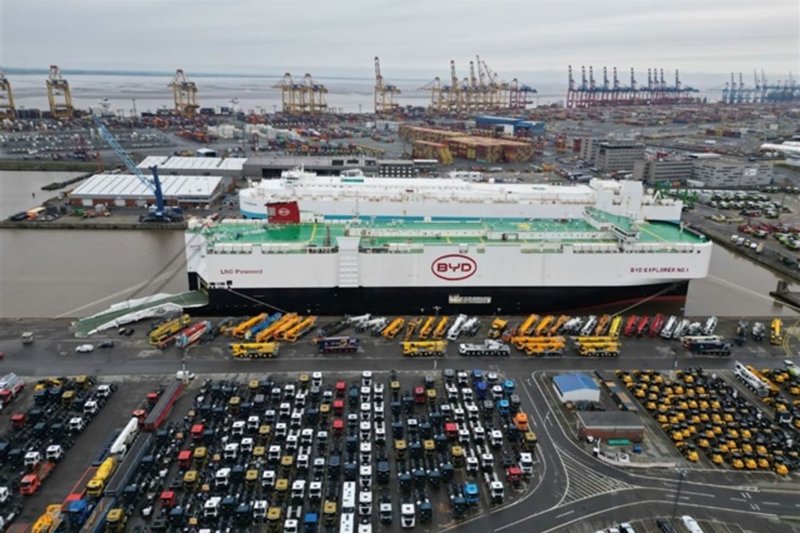
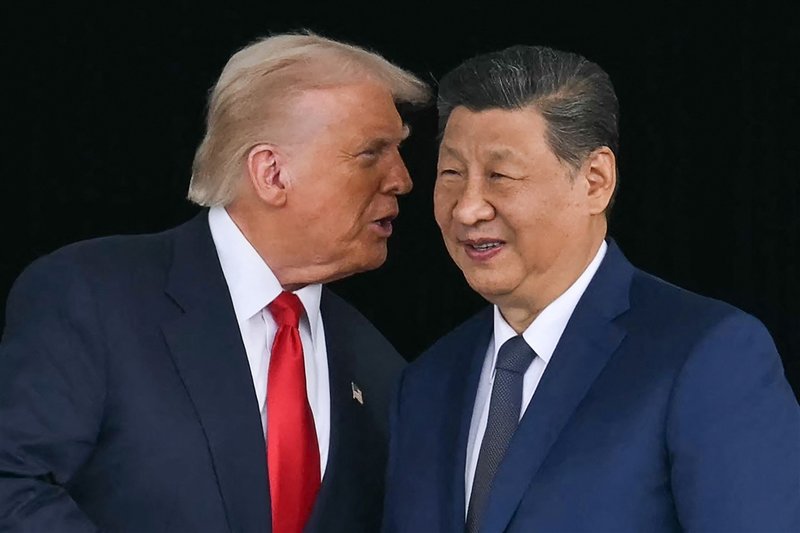
Le relazioni commerciali tra Stati Uniti e Cina continuano a essere un punto focale di instabilità globale, con ripercussioni profonde che si estendono ben oltre i confini economici tradizionali. Nonostante periodi di apparente tregua tariffaria, le tensioni geopolitiche persistono, portando a una progressiva frammentazione delle catene di fornitura a livello mondiale. Questo fenomeno, evidenziato da analisi di settore, crea un ambiente di incertezza che impatta direttamente la pianificazione strategica e operativa delle aziende tecniciche.
Il settore dei semiconduttori, in particolare, si trova al centro di questa dinamica. Le politiche di controllo delle esportazioni e le restrizioni sull'accesso a tecnicie chiave, come quelle per la produzione di chip avanzati, stanno ridisegnando la mappa della produzione e della distribuzione globale. Per le imprese che operano nell'ambito dell'intelligenza artificiale, e in particolare con i Large Language Models (LLM), comprendere e anticipare questi cambiamenti è fondamentale per garantire la continuità operativa e la competitività a lungo termine.
L'hardware per l'AI: un punto critico
L'infrastruttura hardware rappresenta il pilastro fondamentale per lo sviluppo e il deployment di soluzioni AI, specialmente per i carichi di lavoro intensivi richiesti dagli LLM. GPU ad alte prestazioni, con ampie quantità di VRAM e capacità di calcolo elevate, sono essenziali sia per il training che per l'inference. La complessità di queste componenti, che spesso richiedono processi di fabbricazione all'avanguardia e materiali specifici, le rende particolarmente vulnerabili alle interruzioni delle catene di fornitura.
Le tensioni commerciali possono tradursi in ritardi nelle consegne, aumento dei costi e, in alcuni casi, difficoltà nell'ottenere determinate configurazioni hardware. Questo scenario costringe le aziende a riconsiderare le proprie strategie di approvvigionamento e a valutare alternative. La dipendenza da un numero limitato di fornitori o da specifiche regioni geografiche per la produzione di silicio avanzato espone le organizzazioni a rischi significativi, influenzando direttamente la capacità di scalare le proprie operazioni AI.
Implicazioni per i deployment on-premise
Per le aziende che optano per deployment di LLM self-hosted o on-premise, le dinamiche delle catene di fornitura assumono un'importanza ancora maggiore. La scelta di un'infrastruttura locale è spesso motivata da esigenze di sovranità dei dati, compliance normativa o dalla necessità di ambienti air-gapped. Tuttavia, la realizzazione di tali ambienti richiede un investimento iniziale (CapEx) significativo in hardware, che può essere fortemente influenzato dalla disponibilità e dal costo dei componenti.
Le interruzioni nelle catene di fornitura possono dilatare i tempi di attesa per l'hardware, ritardando il deployment dei progetti e aumentando il Total Cost of Ownership (TCO) complessivo. Inoltre, la scarsità di componenti specifici potrebbe spingere verso l'adozione di soluzioni meno ottimali o più costose. Per chi valuta deployment on-premise, AI-RADAR offre framework analitici su /llm-onpremise per valutare i trade-off tra costi, performance e rischi legati all'approvvigionamento, confrontando le opzioni self-hosted con quelle basate su cloud, che pur avendo vantaggi in termini di scalabilità immediata, non sono immuni dalle stesse problematiche di fondo sulle catene di fornitura.
Strategie di mitigazione e prospettive future
Di fronte a questo panorama, i CTO, i responsabili DevOps e gli architetti di infrastruttura sono chiamati a sviluppare strategie di mitigazione robuste. La diversificazione dei fornitori, l'esplorazione di hardware alternativo o di architetture di sistema più resilienti diventano prioritarie. Ad esempio, la valutazione di soluzioni basate su silicio meno recente ma più disponibile, o l'ottimizzazione del software per sfruttare al meglio le risorse esistenti, possono rappresentare approcci validi.
La pianificazione a lungo termine, che include l'analisi dei rischi geopolitici e delle loro potenziali ricadute sulle catene di fornitura, è essenziale per qualsiasi strategia di deployment AI. La capacità di adattarsi rapidamente a scenari in evoluzione e di mantenere un controllo rigoroso sul TCO, pur garantendo la sovranità dei dati e la compliance, sarà un fattore determinante per il successo delle iniziative AI in un contesto globale sempre più complesso e interconnesso.





💬 Commenti (0)
🔒 Accedi o registrati per commentare gli articoli.
Nessun commento ancora. Sii il primo a commentare!