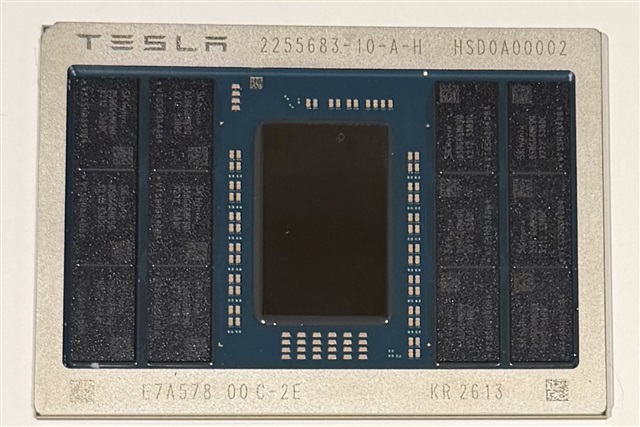
Tesla AI5: Tape-Out Paves the Way for Production with Samsung and TSMC
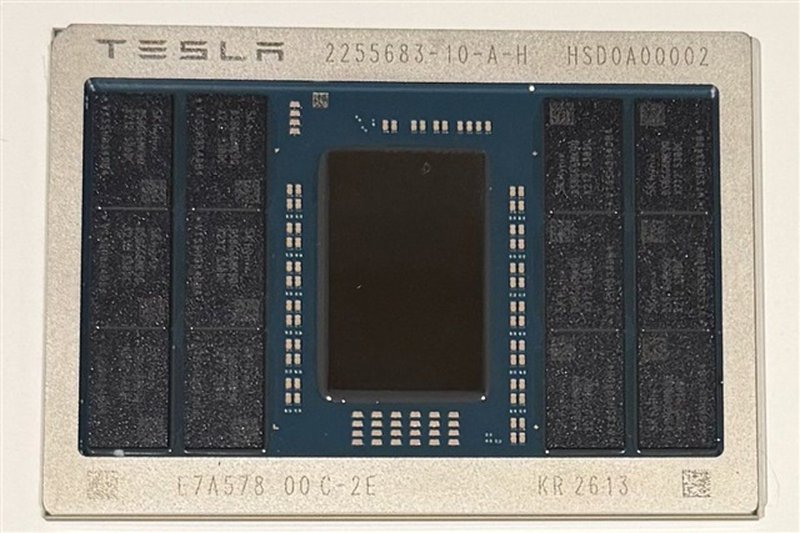
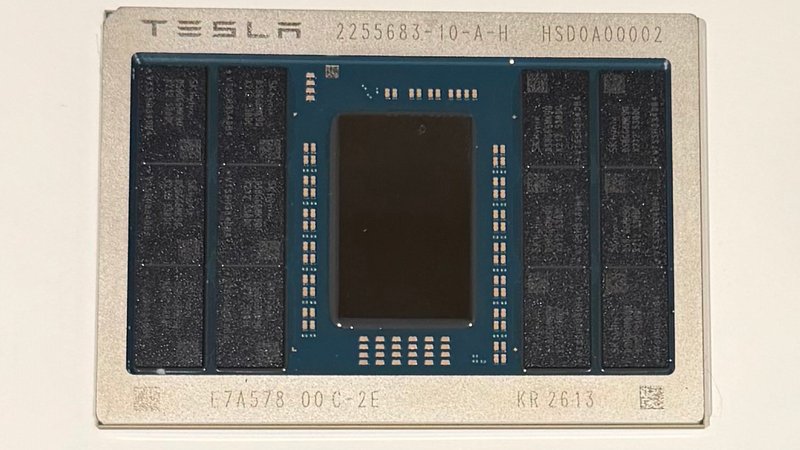
Tesla has announced that it has reached the "tape-out" phase for its AI5 chip, a significant milestone in semiconductor development. This step indicates that the chip's design has been completed and validated, making it ready to be sent to manufacturers for fabrication. The information, shared by Elon Musk, also reveals a dual sourcing strategy for production, with Samsung and TSMC handling the manufacturing.
Tape-out represents a critical moment in a chip's lifecycle, marking the transition from virtual design to physical production. For Tesla, developing a proprietary AI chip like the AI5 is essential to power its ambitions in artificial intelligence, particularly for autonomous driving systems and supercomputers dedicated to training Large Language Models (LLM) and other complex models. The choice to rely on two industry giants like Samsung and TSMC underscores the importance of ensuring robust and diversified manufacturing capabilities.
Technical and Strategic Details of Dual Sourcing
The decision to adopt a dual sourcing strategy with Samsung and TSMC is not coincidental. In the semiconductor industry, reliance on a single supplier can expose companies to significant risks, such as supply chain disruptions, price fluctuations, or production capacity limitations. By partnering with two distinct entities, Tesla aims to mitigate these risks, ensuring greater resilience and flexibility in the production of its AI5 chips.
This strategy also allows Tesla to benefit from the different specializations and technological capabilities offered by Samsung and TSMC. Both foundries are at the forefront of advanced silicio production but may present specific competitive advantages in terms of manufacturing processes, costs, or volumes. For a company aiming to rapidly scale its AI capabilities, optimizing hardware production is a key success factor.
Implications for On-Premise AI Infrastructure
The development of custom AI chips like the AI5 reflects a growing trend among major tech companies: the pursuit of greater control over the hardware powering their AI infrastructures. For entities like Tesla, which operate massive supercomputers for training and Inference of LLM and other models, silicio optimization is directly related to operational efficiency and the Total Cost of Ownership (TCO) of their on-premise deployments.
Proprietary hardware can be designed to meet specific workload requirements, offering advantages in terms of performance, power consumption, and software integration. This approach is particularly relevant for self-hosted and air-gapped environments, where data sovereignty and infrastructure customization are absolute priorities. For those evaluating on-premise deployments, the availability of specialized hardware can significantly influence CapEx versus OpEx trade-offs, as well as throughput and latency capabilities.
Future Outlook and the AI Chip Market
The tape-out of the Tesla AI5 and the dual sourcing strategy are part of a broader context of strong competition and innovation in the AI chip market. More and more companies are investing in designing custom hardware solutions to differentiate themselves and optimize their AI operations. This trend is set to intensify, pushing the boundaries of performance and energy efficiency.
Tesla's ability to develop and produce its own AI chips provides a strategic advantage, allowing it to vertically integrate hardware and software to maximize the performance of its systems. The success of this strategy will depend not only on the quality of the AI5 design but also on the ability of partners Samsung and TSMC to ensure large-scale production with high-quality standards. The market now awaits further details on the expected specifications and performance of this new silicio.




💬 Comments (0)
🔒 Log in or register to comment on articles.
No comments yet. Be the first to comment!