Tesla's AI Silicio Sourcing Strategy
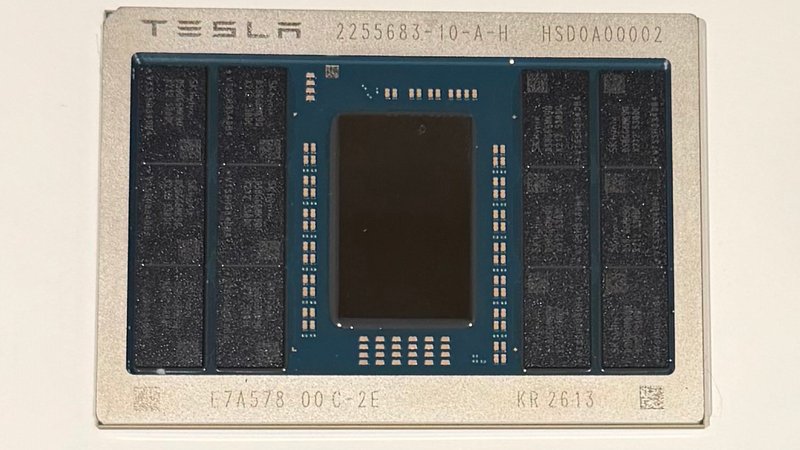
Tesla, a pioneer in integrating artificial intelligence into autonomous vehicles and driving systems, is implementing a dual sourcing strategy for its AI5 chip. This strategic decision, which includes Samsung among its manufacturing partners, suggests a focused approach to supply chain resilience and resource optimization. However, current indications suggest that the production volume allocated to Samsung may not be equivalent to that of other suppliers.
The choice to diversify suppliers for critical components like AI chips reflects a broader trend in the technology sector. Companies seek to mitigate risks associated with production disruptions, price fluctuations, and reliance on a single partner. For a company like Tesla, which relies on proprietary hardware for its artificial intelligence capabilities, securing a robust supply chain is essential to maintaining the pace of innovation and the scalability of its operations.
The Importance of Dual Sourcing in the AI Context
Adopting a dual sourcing strategy for AI silicio is a significant step that goes beyond simple risk management. In the current landscape, where the demand for AI acceleration chips is constantly growing, having multiple sources of supply can ensure not only continuity but also greater negotiation flexibility and potential cost containment. This is particularly relevant for companies that design and develop their own chips, such as Tesla with its AI5.
For enterprises evaluating the deployment of Large Language Models (LLM) and other AI workloads on-premise, hardware supply chain stability is a decisive factor. The ability to access specific components, with reliable delivery times and predictable costs, directly impacts the Total Cost of Ownership (TCO) of the infrastructure. Supplier diversification can therefore translate into greater operational security and better long-term investment planning.
Implications for On-Premise AI Infrastructure
Tesla's strategy offers interesting insights for CTOs, DevOps leads, and infrastructure architects facing the challenges of deploying self-hosted AI solutions. Dependence on a single silicio supplier can expose them to significant risks, from component scarcity to price increases, as well as compatibility or performance issues. A multi-sourcing approach, even if not equal, can provide a buffer against these uncertainties.
For those designing local stacks for LLMs, hardware availability and quality are crucial parameters. The ability to choose between different suppliers, or to have alternatives in case of problems, can directly influence the capacity to achieve the throughput, latency, and VRAM objectives necessary for intensive workloads. This strategic approach to the hardware supply chain aligns with AI-RADAR's philosophy, which emphasizes control, data sovereignty, and TCO optimization in on-premise deployments.
Future Outlook and Infrastructure Control
Tesla's decision to adopt a dual supplier for its AI5 chip underscores a broader trend: companies are seeking to exert greater control over every aspect of their AI infrastructure. From silicio design to supply chain management, the goal is to ensure optimal performance, security, and operational independence. This is particularly true for critical applications, where data sovereignty and regulatory compliance are absolute priorities.
As the AI chip market continues to evolve, the ability to strategically manage hardware suppliers will become a key competitive advantage. Enterprises that can balance innovation with supply chain resilience will be better positioned to scale their AI capabilities, whether for complex model training or large-scale inference, while maintaining strict control over their assets and operational costs.





💬 Comments (0)
🔒 Log in or register to comment on articles.
No comments yet. Be the first to comment!