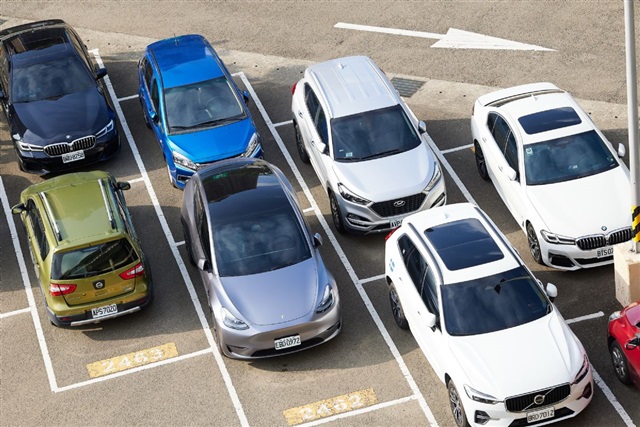
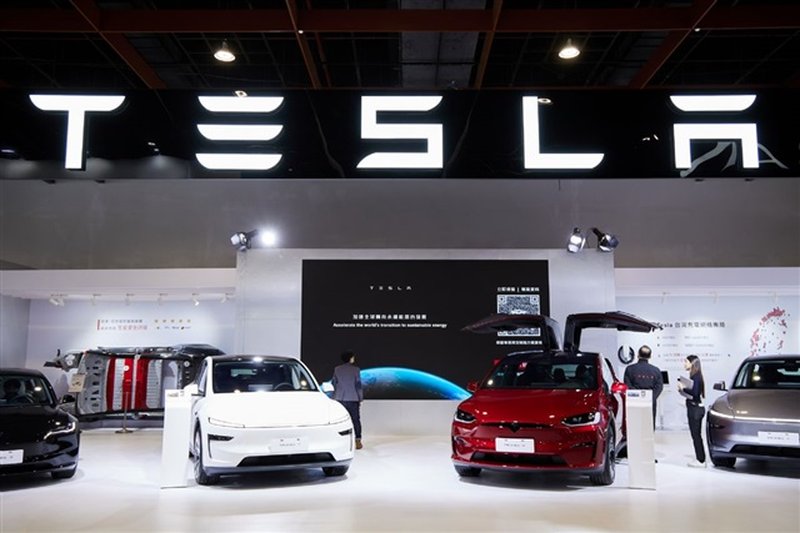
According to data released by DIGITIMES, Taiwan’s auto market rebounded sharply in June, with Tesla climbing to second place among the best-selling brands. This leap is not just about market share: the growing deployment of electric vehicles and their software platforms is accelerating demand for dedicated computing capacity, especially for autonomous driving workloads.
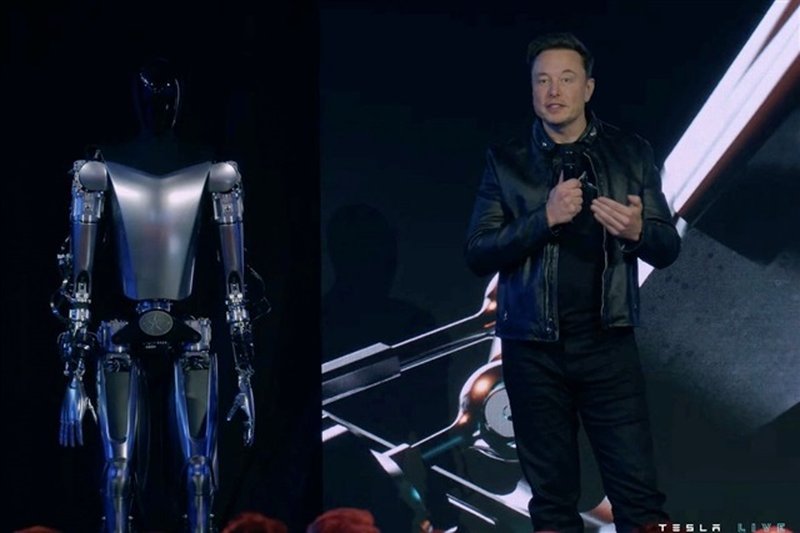
Tesla’s rise in the Taiwanese segment fits into a broader pattern. Elon Musk’s company internally manages GPU clusters and the Dojo supercomputer to train its own vision and planning models, a choice that favors on-premise infrastructure for latency, data control, and Total Cost of Ownership (TCO) at scale. As vehicle sales increase, so do the miles driven and the data collected from the fleets, fueling a cycle that requires more compute power, largely located in proprietary data centers.
For those evaluating on-premise deployment strategies, the Tesla case offers concrete insights into the trade-offs between cloud and self-hosted infrastructure. Training neural networks for real-time perception demands hardware with high memory bandwidth and FP16/INT8 compute capability, often distributed across nodes equipped with enterprise-grade GPUs. Although DIGITIMES provides no details on the technical specifications involved, it is known that Tesla relies on custom accelerators (D1) and NVIDIA GPUs for the heaviest workloads, in an architecture that minimizes dependence on external providers.
The rebound in vehicle registrations in Taiwan comes at a time when the semiconductor supply chain remains under pressure. The production capacity of TSMC and other foundries is critical for chips used both in cars and in AI data centers, and rising demand from the automotive industry can have ripple effects on component availability for on-premise infrastructure. AI-RADAR has previously analyzed how the intertwining of automotive and AI markets is reshaping hardware investment priorities, especially where data sovereignty and cost predictability become deciding factors.
Overall, Tesla’s surge in the Taiwan market is more than a sales figure: it is an indicator of the traction that software-defined vehicles are gaining in Asia, and with it the need for on-premise computing power to support innovation. It remains to be seen whether the current momentum will translate into accelerated investment in local infrastructure, an aspect that companies focused on TCO and latency continue to watch closely.






💬 Comments (0)
🔒 Log in or register to comment on articles.
No comments yet. Be the first to comment!