Tower Semiconductor: $1.3 Billion for Silicon Photonics Amid AI Acceleration
Tower Semiconductor has announced that it has secured commitments totaling $1.3 billion in the silicon photonics sector. This significant investment comes at a time of rapid acceleration in the global demand for artificial intelligence solutions. The company's strategic move underscores the growing importance of advanced infrastructural technologies, such as silicon photonics, to support the expansion and efficiency of AI workloads, which require ever-increasing processing and data transfer capabilities.
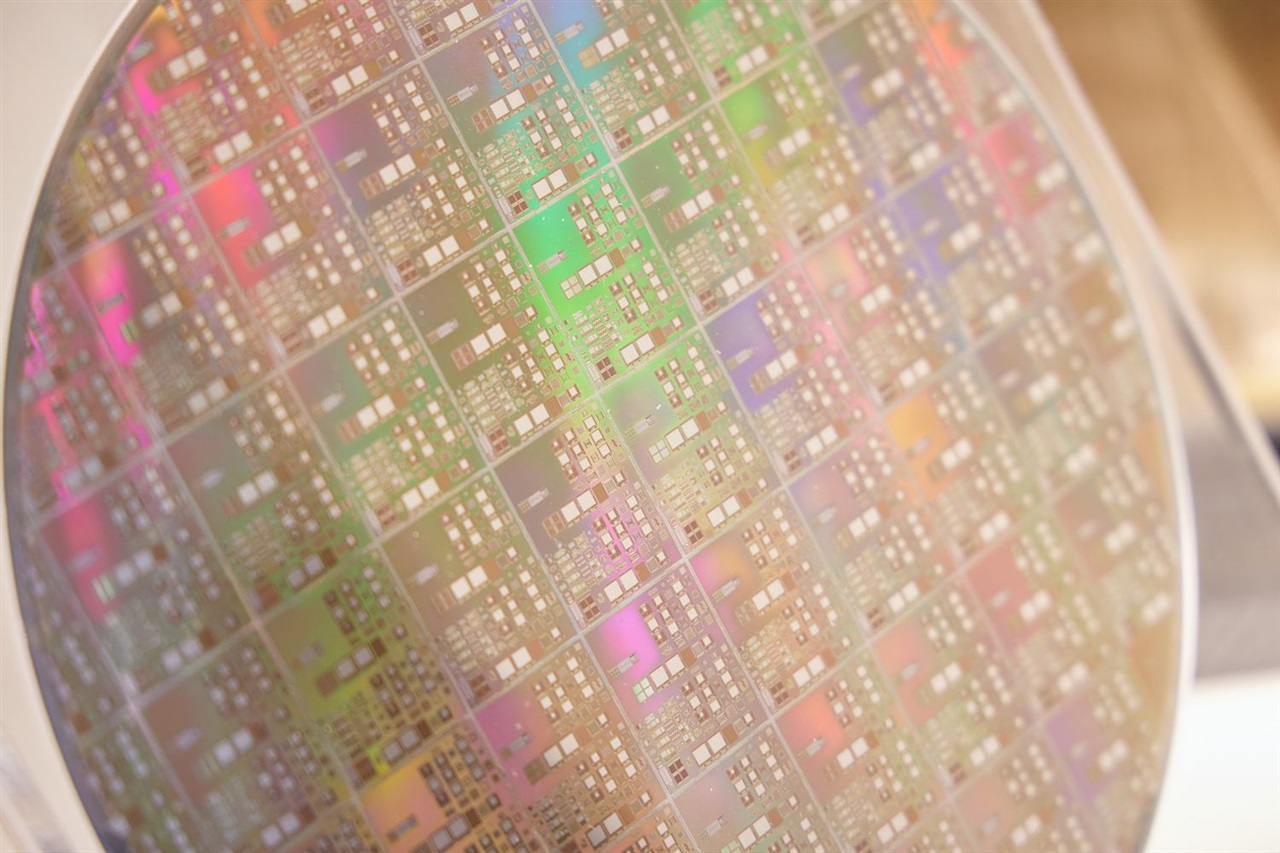
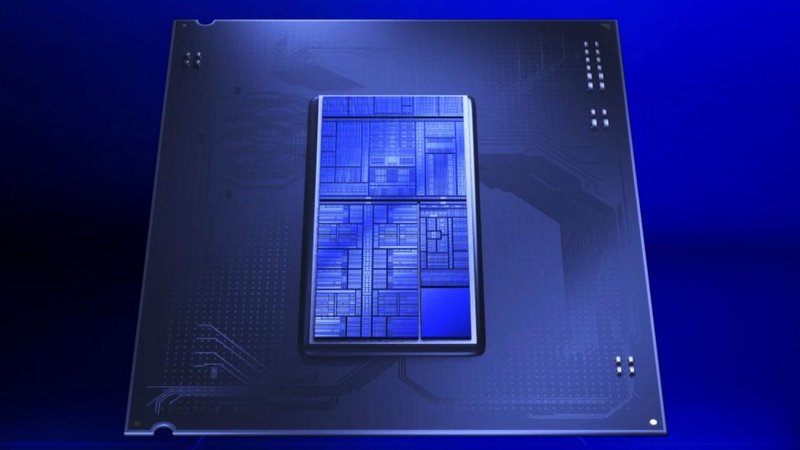
This capital injection positions Tower Semiconductor as a key player in the development of fundamental components for the next generation of AI infrastructure. Silicon photonics is an emerging technology that integrates optical and electronic circuits on a single silicon chip, promising to overcome the limitations of current electrical interconnects in terms of speed, power consumption, and density.
Silicon Photonics: A Pillar for High-Performance AI
Silicon photonics represents a crucial technological breakthrough for the evolution of data centers and high-performance computing systems, sectors heavily influenced by the growth of AI. Modern AI architectures, particularly those based on Large Language Models (LLM), generate and process unprecedented volumes of data. This demands interconnects capable of handling extremely high throughput and minimal latency between GPUs, CPUs, and memory units.
Traditional copper-based solutions encounter physical limitations related to bandwidth and heat dissipation, which become increasingly stringent as speeds increase. Silicon photonics, by using light to transmit data, offers superior bandwidth and reduced power consumption compared to electrical links, making it ideal for the needs of the most intensive AI workloads. This technology is fundamental for improving the efficiency of training and Inference pipelines, where every millisecond and every watt counts.
Implications for On-Premise Deployments and Data Sovereignty
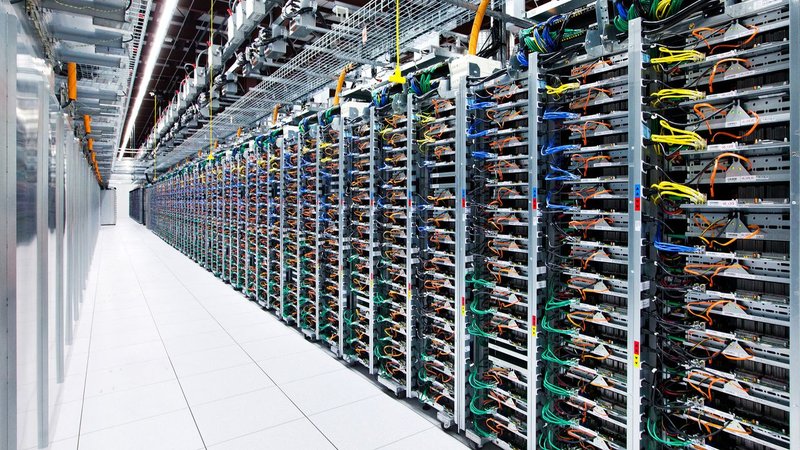
The advancement of silicon photonics has direct and significant implications for organizations considering or implementing self-hosted and on-premise AI deployments. In these contexts, where data control and sovereignty are priorities, the efficiency and performance of hardware infrastructure become critical factors. Improved interconnects translate into greater local processing capacity, reducing reliance on external cloud services and their associated operational costs.
For companies managing sensitive data or operating in air-gapped environments, the ability to build high-performance AI data centers on-site, supported by technologies like silicon photonics, is a competitive advantage. This approach allows for tighter control over security, compliance, and long-term Total Cost of Ownership (TCO). For those evaluating the trade-offs between on-premise and cloud solutions for AI workloads, AI-RADAR offers analytical frameworks on /llm-onpremise to support informed decisions.
Future Outlook and the Strategic Role of Investments
The investment in Tower Semiconductor highlights a broader trend in the tech industry: the need to strengthen hardware foundations to support the exponential growth of artificial intelligence. As Large Language Models become more complex and widespread, the demand for infrastructure capable of handling these challenges will continue to grow. Silicon photonics is just one of several technologies receiving attention to improve the efficiency and scalability of AI systems.
The success of these initiatives will depend not only on investments but also on the ability to integrate these innovations into complete technology stacks, from chips to software frameworks. The AI race is not just a race to develop models, but also a race to build the physical infrastructure that will power them, with a focus on sustainability and energy efficiency.




💬 Comments (0)
🔒 Log in or register to comment on articles.
No comments yet. Be the first to comment!