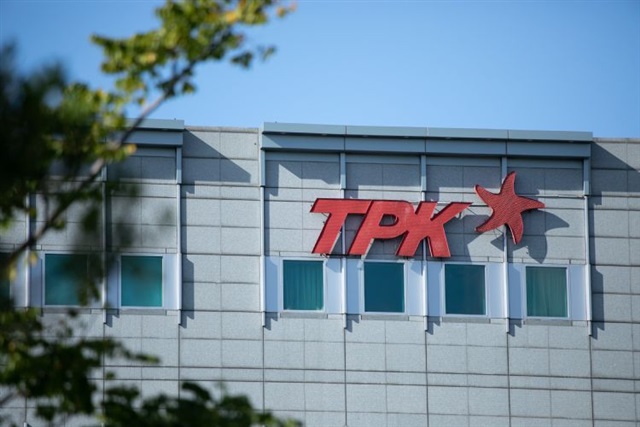
TPK Technology e il Mercato dei Semiconduttori: Un Segnale per l'AI On-Premise
TPK Technology, un attore rilevante nel panorama tecnicico, ha annunciato un incremento dei profitti superiore a venti volte. Questo risultato eccezionale deriva da un mix di guadagni significativi dagli investimenti e da una posizione strategica nel settore dei chip. Sebbene i dettagli specifici sull'entità degli investimenti o sulla natura esatta dell'esposizione ai chip non siano stati divulgati, tale performance finanziaria evidenzia la dinamicità e la rilevanza del mercato dei semiconduttori nell'attuale economia globale.
Per i CTO, i responsabili DevOps e gli architetti infrastrutturali che valutano il deployment di Large Language Models (LLM) e altre applicazioni AI, la salute e la volatilità del mercato dei chip rappresentano un fattore critico. La disponibilità e il costo dei componenti hardware, in particolare delle GPU e di altre unità di elaborazione specializzate, sono elementi determinanti per la pianificazione e l'implementazione di soluzioni AI self-hosted.
Il Contesto del Mercato dei Chip e le Esigenze dell'AI
L'espressione "chip exposure" nel contesto di TPK Technology suggerisce un legame con la catena di fornitura o con l'investimento in aziende che operano nel settore dei semiconduttori. Questo settore è il motore dell'innovazione AI, fornendo il silicio necessario per l'inference e il training dei modelli. La domanda di chip ad alte prestazioni, come le GPU con elevata VRAM e throughput, è in costante crescita, spinta dall'evoluzione degli LLM e dalla necessità di elaborare volumi sempre maggiori di dati con bassa latenza.
Le aziende che scelgono un deployment on-premise per i loro carichi di lavoro AI devono affrontare direttamente le dinamiche di questo mercato. La capacità di acquisire hardware adeguato, che soddisfi requisiti specifici come la memoria GPU (es. A100 80GB o H100 SXM5), la larghezza di banda della memoria e le capacità di calcolo, è fondamentale. Le fluttuazioni nei prezzi e nella disponibilità possono influenzare significativamente il Total Cost of Ownership (TCO) di un'infrastruttura AI locale.
Implicazioni per i Deployment On-Premise e la Sovranità dei Dati
La performance di TPK, legata al settore dei chip, offre uno spunto di riflessione per le organizzazioni che privilegiano i deployment on-premise. La dipendenza da una catena di fornitura globale per l'hardware AI può introdurre rischi legati alla disponibilità e ai costi, ma al contempo offre l'opportunità di costruire infrastrutture resilienti e controllate. Optare per soluzioni self-hosted consente di mantenere la sovranità dei dati, rispettare stringenti requisiti di compliance e operare in ambienti air-gapped, aspetti cruciali per settori come la finanza, la sanità e la pubblica amministrazione.
La decisione tra un approccio on-premise e uno basato sul cloud per i carichi di lavoro LLM implica una valutazione attenta dei trade-off. Mentre il cloud offre flessibilità e scalabilità immediata, il deployment on-premise garantisce un controllo più profondo sull'hardware, sui dati e sui costi operativi a lungo termine, specialmente per carichi di lavoro consistenti e prevedibili. La capacità di ottimizzare l'hardware per specifici modelli e pipeline di inference può portare a efficienze significative.
Prospettive Future e Decisioni Strategiche nell'Era dell'AI
Il successo finanziario di aziende come TPK, influenzato dal mercato dei chip, evidenzia la centralità del silicio nell'era dell'intelligenza artificiale. Per i decision-maker tecnicici, comprendere queste dinamiche di mercato è essenziale per formulare strategie di lungo termine per l'AI. La pianificazione di un'infrastruttura on-premise richiede una visione chiara non solo delle esigenze attuali, ma anche delle tendenze future in termini di disponibilità hardware, innovazione e costi.
AI-RADAR si concentra proprio su questi aspetti, fornendo analisi e framework per valutare i trade-off tra diverse architetture di deployment. La scelta di investire in hardware dedicato per l'AI on-premise, come GPU di ultima generazione, o di esplorare soluzioni ibride, deve essere guidata da un'analisi approfondita del TCO, dei requisiti di sicurezza e della necessità di mantenere il controllo sui propri dati. Il mercato dei chip, con le sue opportunità e le sue sfide, rimarrà un fattore chiave in queste decisioni strategiche.








💬 Commenti (0)
🔒 Accedi o registrati per commentare gli articoli.
Nessun commento ancora. Sii il primo a commentare!