The Impact of AI on the Traditional Market
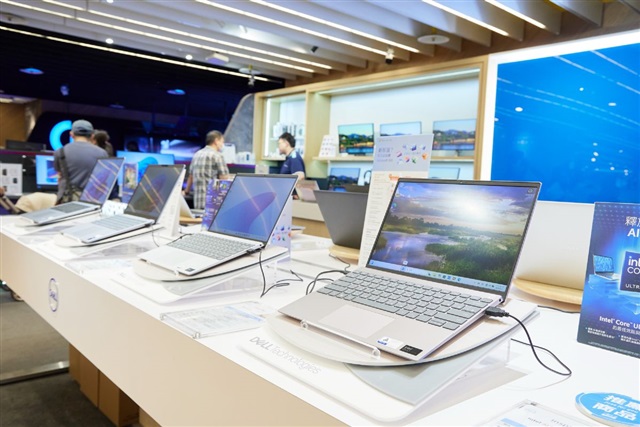
According to an analysis by DIGITIMES, the PC sector is preparing to face a significant wave of job cuts by 2026. This forecast is directly linked to the profound changes triggered by artificial intelligence and the rising operational costs that are redefining the priorities and strategies of technology companies.
The transition towards an economy increasingly driven by AI is putting pressure on traditional business models, pushing personal computer manufacturers to reconsider their position in the global landscape. AI is no longer a niche technology but a driving force reshaping entire industries, including hardware production and distribution.
Rising Costs and New Infrastructure Priorities
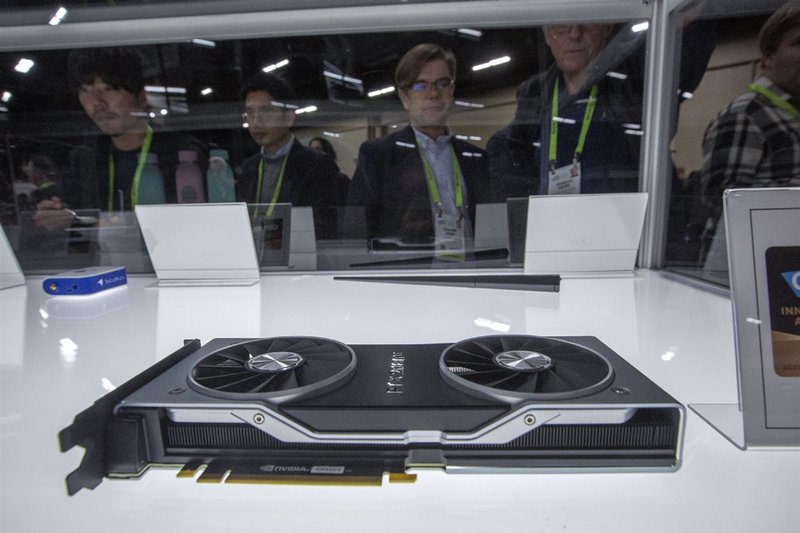
The 'soaring costs' cited in the DIGITIMES analysis reflect a complex reality in the world of AI. The development, training, and Inference of Large Language Models (LLM) require considerable infrastructure investments. Companies find themselves having to allocate significant resources for the purchase of specialized hardware, such as GPUs with high VRAM and dedicated accelerators, essential for managing computationally intensive workloads.
This scenario necessitates a careful evaluation of the Total Cost of Ownership (TCO), whether opting for cloud solutions or self-hosted or on-premise deployments. For CTOs, DevOps leads, and infrastructure architects, the choice between local infrastructure and a cloud service is not just a matter of initial costs, but also of data control, sovereignty, and long-term performance. Demand is shifting from optimization for general-purpose computing to a focus on specific AI workloads, with very stringent Throughput and latency requirements.
The Challenge for PC Manufacturers
In this context of profound transformation, PC manufacturers face an unprecedented challenge. The demand for traditional consumer devices, while still relevant, is being eroded in favor of investments in backend infrastructure for AI. Resources previously allocated to research and development for new generations of laptops and desktops must now compete with the need to support the AI ecosystem, which includes servers, high-performance storage, and advanced networking solutions.
The job cuts predicted for 2026 are, therefore, a direct consequence of this strategic reallocation of resources and a necessary repositioning to remain competitive in a rapidly evolving market. Companies must adapt their business models, exploring new opportunities or consolidating existing operations to face the new reality.
Future Outlook and Adaptation Strategies
The transition to an AI-centric economy is an unstoppable process that will continue to reshape the technology landscape for years to come. For organizations evaluating the Deployment of LLMs and other AI applications, strategic infrastructure planning becomes crucial. Factors such as data sovereignty, regulatory compliance, and the ability to operate in air-gapped environments are increasingly prioritized, pushing many entities to consider on-premise or hybrid solutions.
AI-RADAR, for example, offers analytical frameworks on /llm-onpremise to evaluate the trade-offs between different deployment options, providing tools for informed decisions. The future will require not only technological innovation but also a deep capacity for strategic adaptation to navigate the complexities of a constantly evolving market, where costs and infrastructure priorities play a decisive role.






💬 Comments (0)
🔒 Log in or register to comment on articles.
No comments yet. Be the first to comment!